
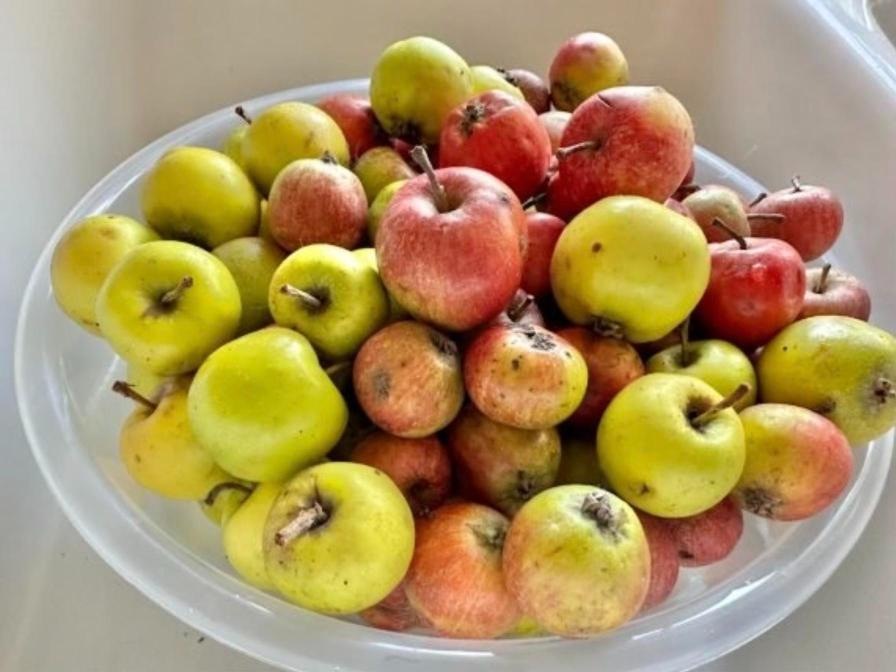
You don’t need the woods to forage. In October, apples, pears and crab apples hang over garden walls and park paths, oaks and chestnuts drop their nuts on city lawns, and rose hips redden in the hedges. These six grow in towns across the US and the UK.
Before you gather
As a city-dwelling forager, I take soil contamination seriously. Land in towns and cities can hold lead, arsenic and other pollutants that plants take up, so learn the history of a site before you gather there. Avoid old industrial lots, railway lines, old gas station sites and busy roads, and skip lawns, golf courses and easements that may be sprayed. If you are unfamiliar with the soil’s history, find a different place to gather. If in doubt, don’t gather, and ask a trusted resource for help with identification or the local rules.
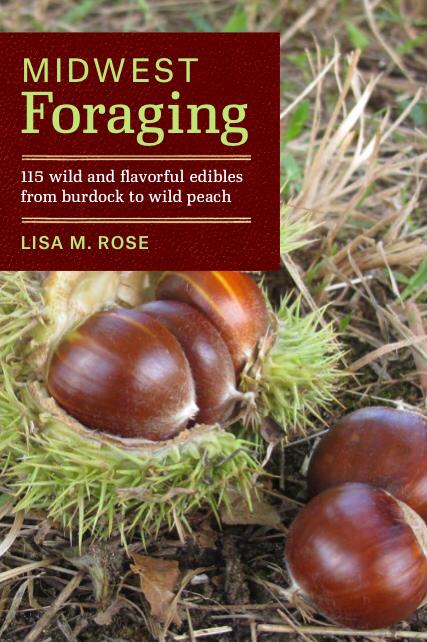
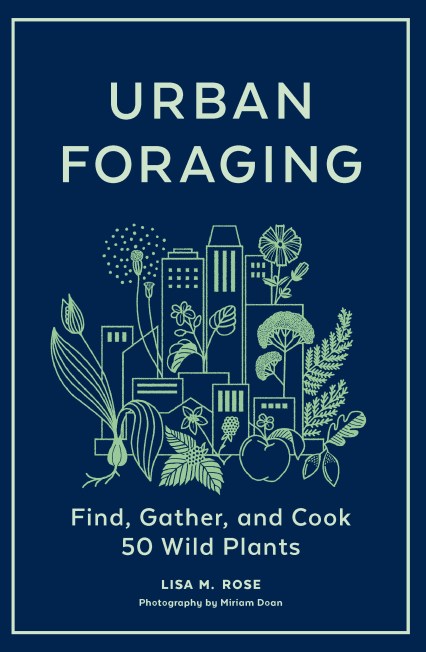
I cover this in more depth in my foraging guides. In the US? Check out Midwest Foraging. Outside the US or in the city? Take a look at Urban Foraging.
1. Apples (Malus species)
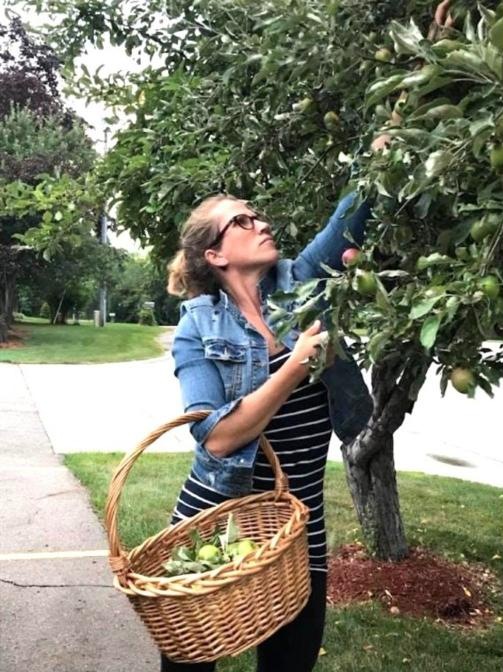
Look for apple trees in old gardens, at the edges of parks, in vacant lots and in former orchards. A once-domesticated, now-wild apple tastes sweet, tannic and astringent all at once, with more range than the few varieties in the supermarket. Apples that come away easily from the branch, and fresh windfalls, are the ripest, so wait until close to frost and pass over fruit with insect damage.
2. Crab apples (Malus species)
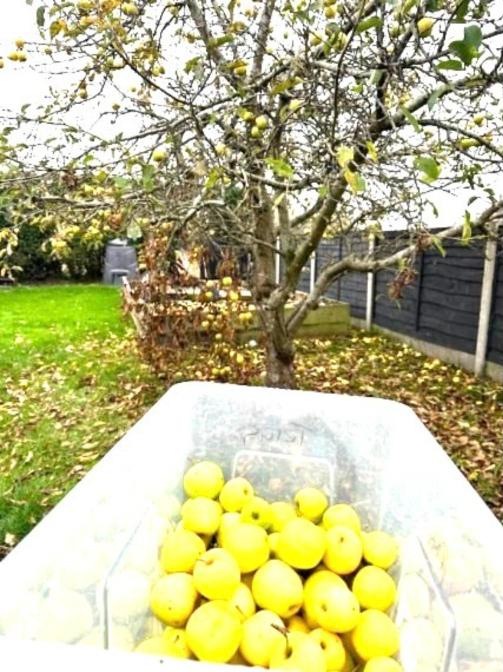
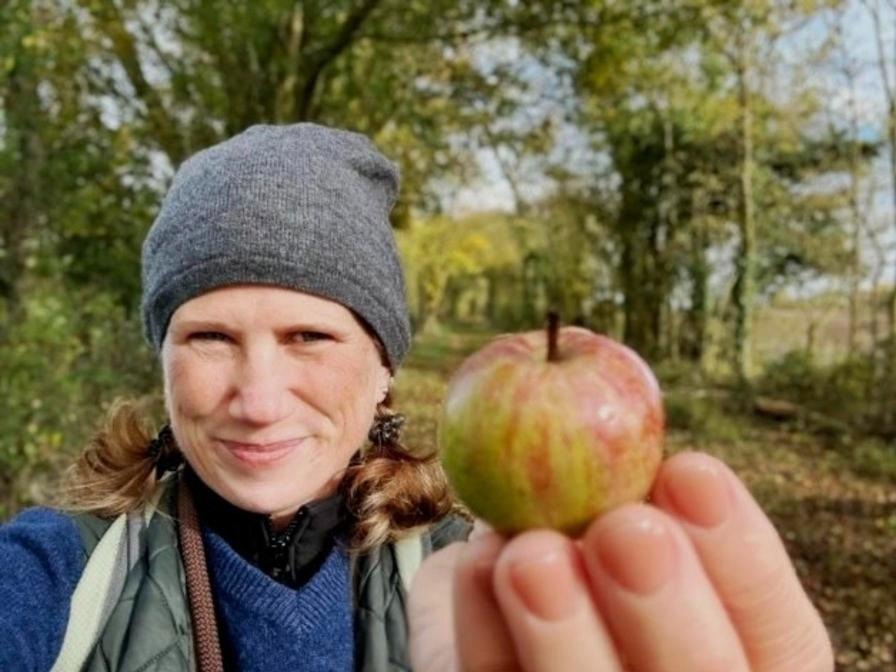
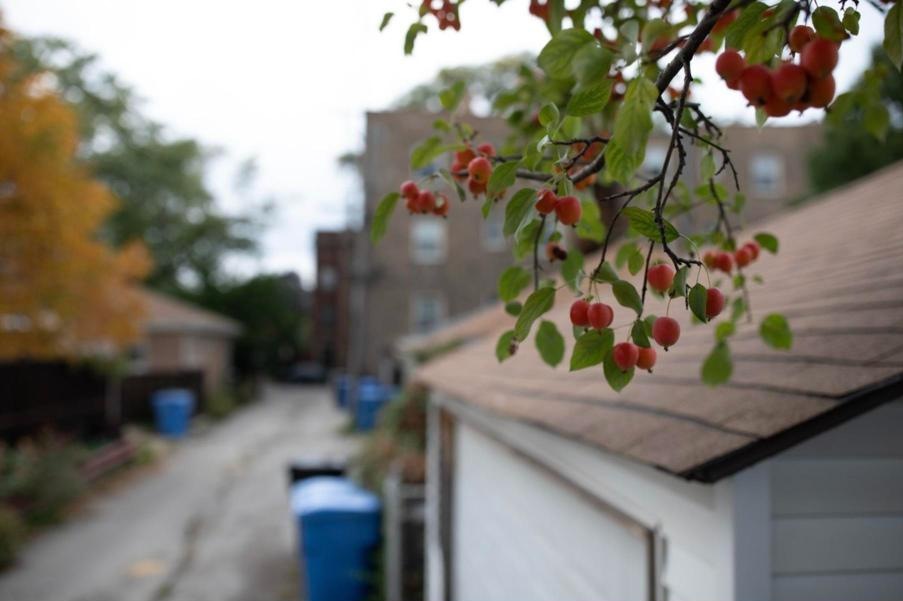
Crab apples grow in park plantings, along streets and in hedgerows. The crab apple is a small wild apple, under 2 inches across, with all the good qualities of its larger cousin and more tartness. Wait for the fruit to soften and gather it after the first frost, when it is noticeably sweeter, then use it by equal weight in any recipe that calls for apples.
3. Wild pears (Pyrus species)
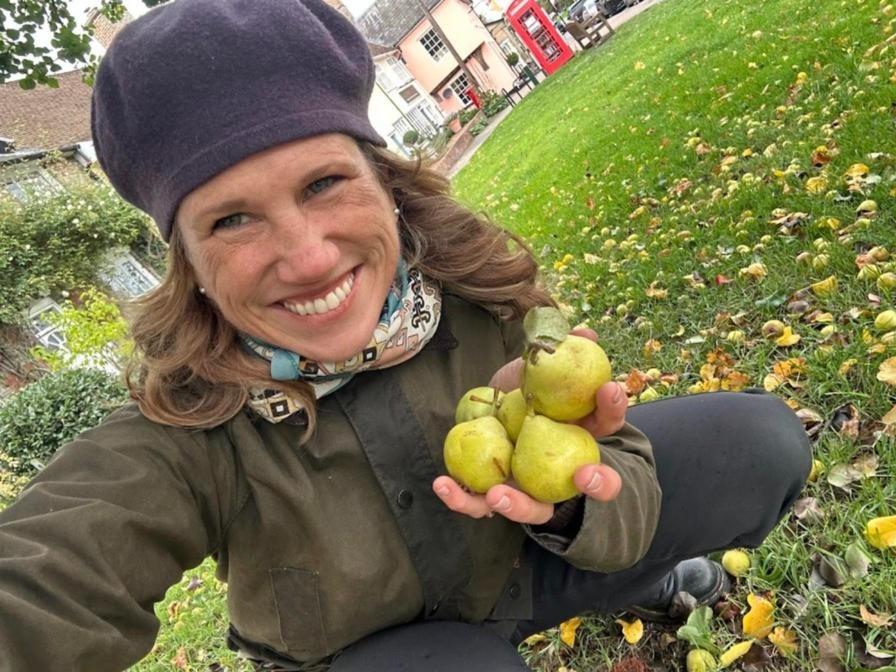
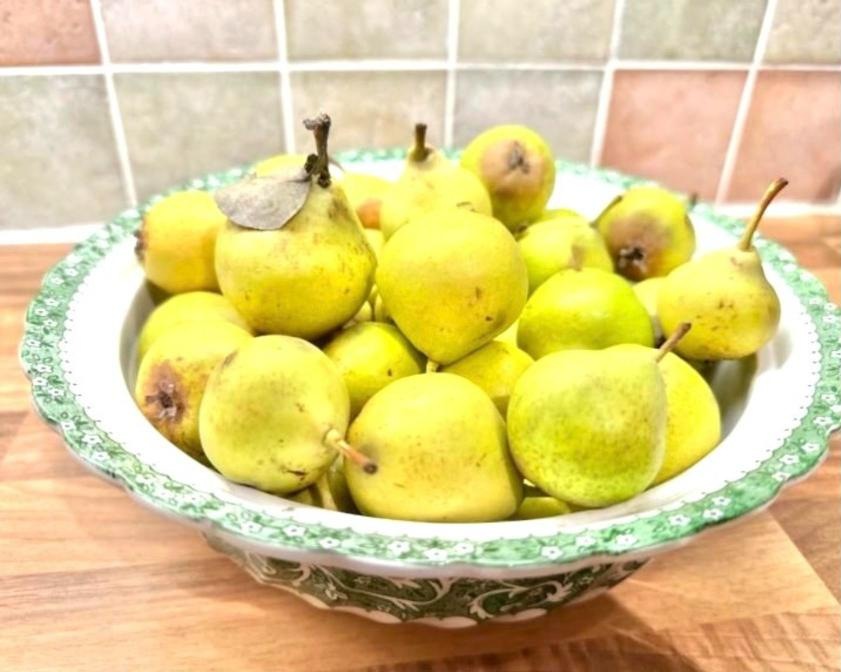
Wild pears grow on old trees left behind from former gardens and orchards. Wild pears taste like a cultivated Bartlett but are smaller, rounder and firmer. Gather pears that have fallen or come away easily from the branch, and keep them in a paper bag in the fridge for up to two weeks, or slice and freeze them.
4. Rose hips (Rosa species)
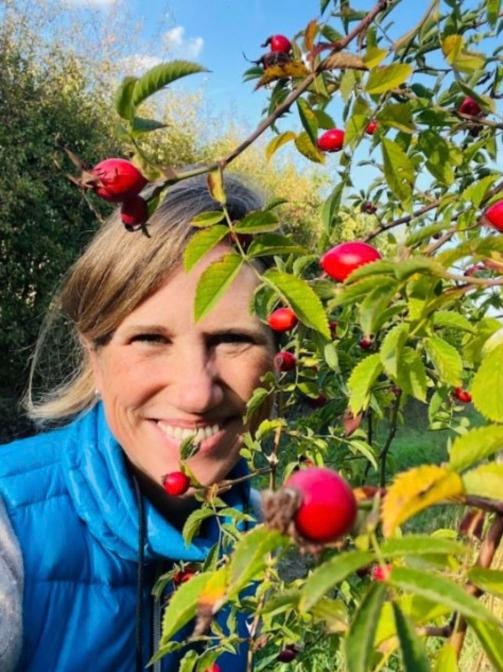
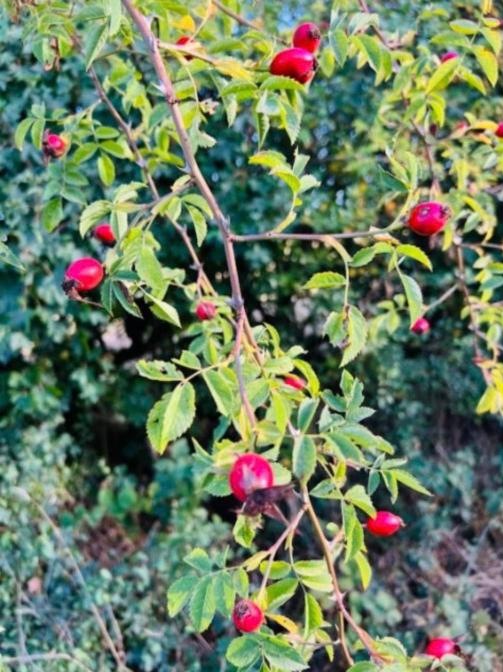
Rose hips ripen in park hedges, on planted shrub roses and along coastal paths. After the rose is pollinated it sets its fruit, the hip, which turns deep red after the first hard frost. The hips are high in vitamin C, and fresh or dried they go into cordials, jelly and syrup.
5. Acorns (Quercus species)
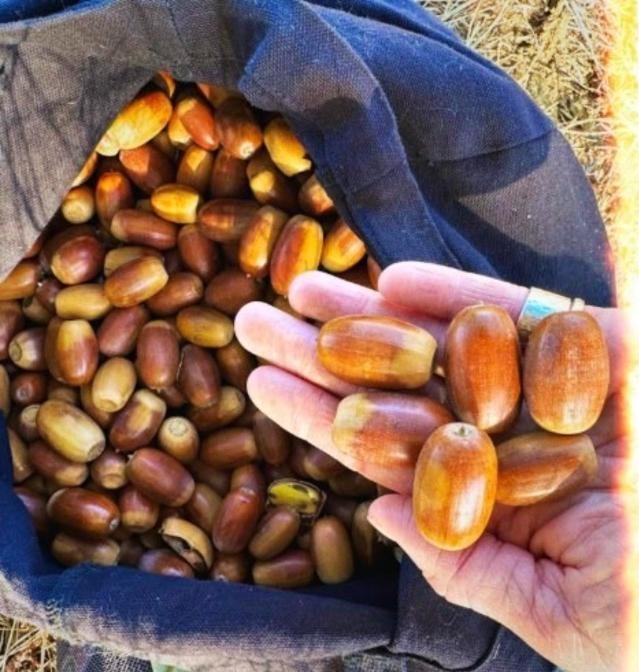
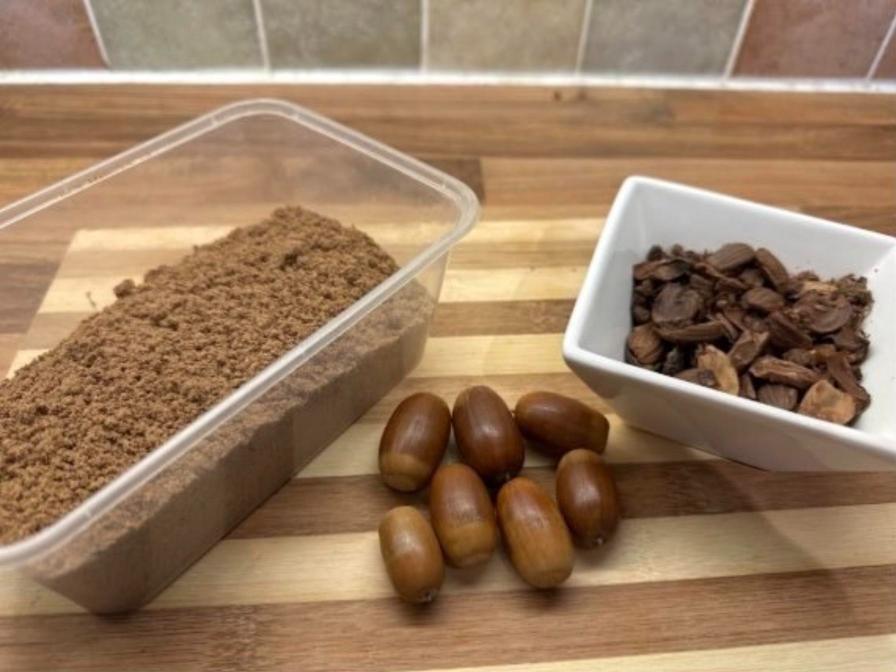
Acorns fall from oaks along streets and in parks. Red and white oaks both drop acorns high in tannins, but a good leaching takes the bitterness out, and white oaks carry less tannin to begin with. Once leached, the nutmeat tastes much like chestnut and can go into soup, nut butter and flour for baking.
6. Chestnuts (Castanea species) and the lookalike to leave alone
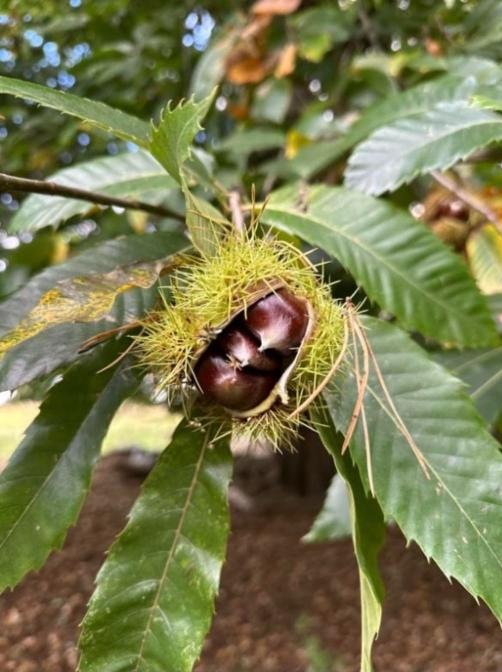
Sweet chestnuts grow in parks and on old estates. A chestnut is close to a complete food, full of protein, minerals and carbohydrate, with a mild flavour that suits bread, soup and roasting over a fire. A ripe bur comes away easily and holds two or three shiny, chocolate-brown nuts, and the harvest lasts only about two weeks.
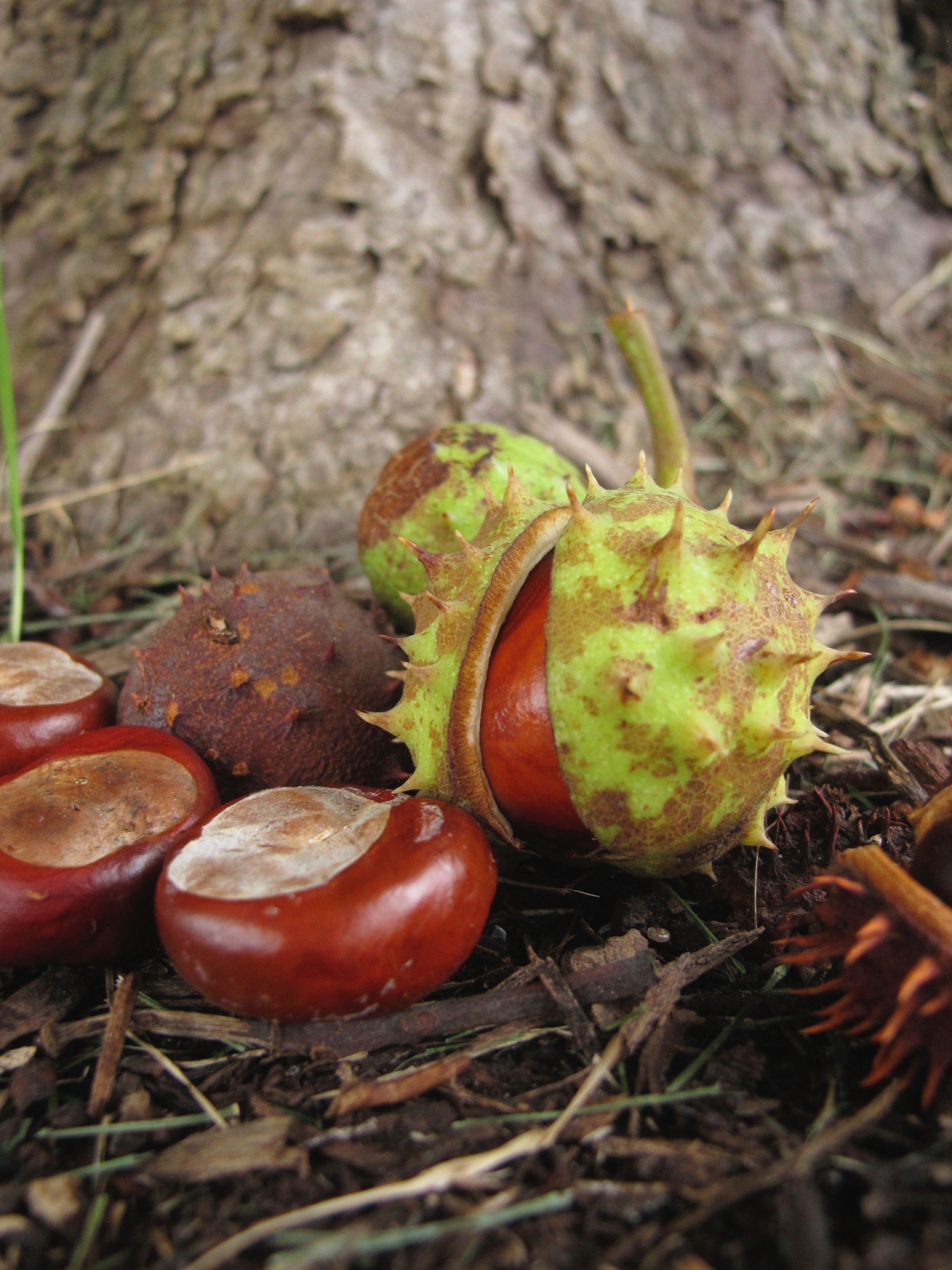
Horse chestnut, a common street and park tree, is inedible. Its husks carry a few short spikes and hold one round, glossy nut with no point, and its leaves are divided into five to seven leaflets like a hand. If in doubt, leave it.
As with introducing any new food or herb into your diet, do so with care to rule out any adverse reaction.
Books by Lisa M. Rose
Recipes are coming to my weekly foraging musings on Substack. Subscribe and follow to get all my tips.

