
By Lisa M. Rose
Foraging connects us with the natural world, offering a pathway to understand the land, its cycles, and the bountiful edible plants that grow wild around us. Whether you’re a novice eager to explore the greens outside your doorstep or an experienced forager looking to deepen your practice, this guide provides essential insights into starting your foraging journey, identifying plants, harvesting sustainably, and ensuring safety.
Getting Started
Foraging begins with a simple step: get outside. Familiarizing yourself with the local flora and the landscapes they inhabit forms the foundation of foraging. Observation and immersion in nature allow you to notice the subtle cues that indicate when and where to forage. Start in your immediate environment. Pay attention to the wild plants growing near you, document them through sketches, photos, or notes, and use a hand-drawn map to mark your discoveries. This process not only aids in plant identification but also fosters a deeper connection with your surroundings.
Identifying Plants
Plant identification is both an art and a science. When foraging, it is essential to make certain you have correctly identified a plant before consuming it. There are two primary rules to follow: Never eat anything you’re not 100% certain about, and always cross-reference your identification with multiple reliable sources.
Get to know botany by starting with the basics — understand how plants are organized. This includes learning about leaf arrangements (alternate, opposite, whorled), types of leaves (simple vs. compound), and other plant structures (stem types, root systems, flower arrangements). Familiarize yourself with botanical terms. Words like “petiole,” “lanceolate,” and “umbel” describe specific plant parts and shapes, providing a universal language to aid in identification, and these characteristics are often key to differentiating between species.
Sustainable Harvesting Practices
As foragers, we act as stewards of the land. It’s crucial to know the status of the plants you’re harvesting — are they abundant, endangered, or invasive? Sustainable harvesting means taking only what you need without impacting the plant’s ability to reproduce.
Familiarize yourself with the different habitats and microclimates in your area, and let the abundance or scarcity of plants guide your foraging decisions. A good rule of thumb is to never harvest more than one-third of what is available in any given area, leaving plenty for wildlife and for the plants to continue their life cycles.
Acknowledging Indigenous Land Rights
Before foraging, take time to learn about the Indigenous peoples whose ancestral lands you’re on. Every region is home to Indigenous nations whose communities have stewarded these landscapes for generations. Understanding their relationship with the land and their traditional ecological knowledge can enrich your own foraging practice and foster deeper respect for the ecosystems you’re exploring.
As foragers, acknowledging the legacy and rights of Indigenous peoples encourages a practice that is not only sustainable but also ethically grounded in respect for the land and its original caretakers. We must remember that our foraging activities are conducted on lands that have been occupied, stewarded, and cherished by Indigenous peoples long before us. By recognizing this, we can foster a deeper connection to the land, guided by principles of respect, sustainability, and shared stewardship.
Get Permission to Gather
Foraging on private or public lands requires permission. Many areas have regulations to preserve local flora and fauna, and it’s essential to adhere to these rules to promote sustainable practices. Whether it’s a municipal park or a friend’s backyard, always ensure you have the right to forage in the area.
Foraging laws can vary widely from one location to another, with some areas allowing limited foraging of certain species, while others may prohibit it altogether to protect local ecosystems.
Here are a few things to consider that may be relevant to an area near you:
- Municipal Parks: Check the websites of city or town parks and recreation departments. They often have rules regarding foraging, which can vary significantly.
- State and National Parks: These areas typically have more stringent regulations. The National Park Service and state Department of Natural Resources (DNR) websites provide guidelines on what is and isn’t allowed in terms of foraging.
- Federal Regulations: If you’re near federal lands, including national forests and grasslands, the U.S. Forest Service has regulations regarding foraging. These can usually be found on their official website or by contacting the nearest Forest Service office. Regulations can vary, with some areas allowing for the collection of certain plants or mushrooms for personal use without a permit.
- Check for Special Permits: Some areas may require permits for foraging, even for personal use. This is more common for high-impact or highly sought-after species. Check with local DNR offices or park management to see if such permits are necessary.
- Private Land Permissions: Always get explicit permission from landowners before foraging on private property. This not only respects the property owner’s rights but ensures you’re legally covered to forage in that area.
By thoroughly researching and respecting the legal boundaries set for foraging, you contribute to the sustainability and preservation of natural spaces while enjoying the bounty they offer. Always prioritize the health of the ecosystem and the legal guidelines established to protect these areas.
Consider Pollution Risks
One of the most critical aspects of foraging safely is understanding and mitigating contamination risks. Pollutants in the environment can be absorbed by plants, making them unsafe for consumption. To minimize these risks, remember these steps:
- Research the Land: Before foraging, investigate the area’s history and potential contamination sources through public records or inquiries with landowners.
- Avoid Known Contaminated Areas: Steer clear of sites with a history of industrial use, heavy pesticide application, and areas near railroad tracks or heavily trafficked roads.
- Focus on Low-Risk Plants: Some plants are less likely to uptake contaminants; prioritize these for safer foraging outcomes.
By being diligent about the locations chosen for foraging, individuals can significantly reduce the risks of contamination, ensuring the safety and sustainability of their practice.
- Urban Areas: Heavy metals and lead, common in brownfields and old industrial sites, are absorbed by plants, making some unsafe for consumption. Railroad tracks, treated with chemicals, also pose a risk of arsenic contamination.
- Suburban Zones: The use of herbicides and pesticides in lawn care, golf courses, and landscaping introduces chemicals that can be absorbed by wild plants.
- Agricultural Pollution: Agricultural lands are affected by nitrates, fertilizers, and manure runoff, leading to potential E-Coli and Salmonella contamination in nearby plants and water sources.
- Industrial and Municipal Pollution: Activities in these sectors can lead to a variety of pollutants entering the soil and water, including heavy metals (from manufacturing, painting, and pharmaceutical companies), chemical residues (from sewage overflows, fracking, and industrial processes), and herbicides and chemicals (used in easements, road maintenance, and park conservation efforts).
Resources to Explore
Field Guides and Botanical Resources: Invest in quality field guides specific to your region, as plants can vary significantly by geography and climate. Digital apps and websites offer supplementary information, but always cross-reference to avoid reliance on potentially inaccurate sources.
- USDA PLANTS Database — Comprehensive information on plant distribution and status across the United States.
- NatureServe Explorer — An online source for authoritative conservation information on more than 70,000 plants, animals, and ecosystems.
Local Foraging Experts & Educators (Great Lakes Region Examples):
- Herbal Lodge — More information & Events
- Jim McDonald — More information | Events Schedule | Social Media
- Rachel Mifsud — More information | Events Schedule
Join a Community: Foraging and botanical groups, both online and in-person, can offer support, answer questions, and share experiences. Learning from others can accelerate your understanding and identification skills.
- Search for foraging and botanical groups in your area on Facebook, Meetup.com, or through local botanical gardens and nature centers.
- r/Foraging on Reddit — A large online community for foragers of all experience levels.
Keep a Foraging Journal: Document your foraging journeys with notes and pictures of plants you encounter. This not only helps in solidifying your knowledge but also creates a personal reference guide that grows with your experience.
Seasonal Bounty: A Forager’s Seasonal Quick Guide
This seasonal quick guide provides a starting point for foragers everywhere, emphasizing the rich variety of plants that can be harvested throughout the year. As always, ensure proper plant identification, harvest sustainably, and be aware of local regulations and contamination risks to enjoy the bounty of your region safely.
A few considerations to keep in mind:
- Local Climate Variations: Geography and climate patterns create unique conditions that can extend or shorten growing seasons. Always pay attention to conditions specific to your area.
- Invasive Species: Be aware of and consider harvesting invasive species where safe and legal to do so, such as Garlic Mustard, to benefit native ecosystems.
- Pollution Concerns: Be mindful of water quality, especially near urban and agricultural runoff areas, when foraging near water bodies.
While each plant showcased in this guide is relatively safe, you must be certain in your plant identification. And as with introducing any new food or herb into your diet, do so with care to eliminate any potential for adverse reactions.
Foraging Early Spring
As the ice and snow begin to melt, the first green shoots emerge, offering a variety of plants for the early forager.
- Open Fields and Edges of Woods: Look for early greens such as Dandelion (leaves, roots), Chickweed (stems, leaves, flowers), and Plantain (leaves). Burdock (roots, shoots) can also start to be harvested.
- Wetlands and Waterways: The tender leaves of Nettle, rich in vitamins, can be found in these moist areas.
- Woodlands: The sap of Maple trees starts running, ideal for tapping. Pine (needles, bark) and Blackberry (leaves) are also accessible in partially shaded woodlands.
Foraging Mid- to Late Spring
As the climate warms, the region’s flora begins to diversify further.
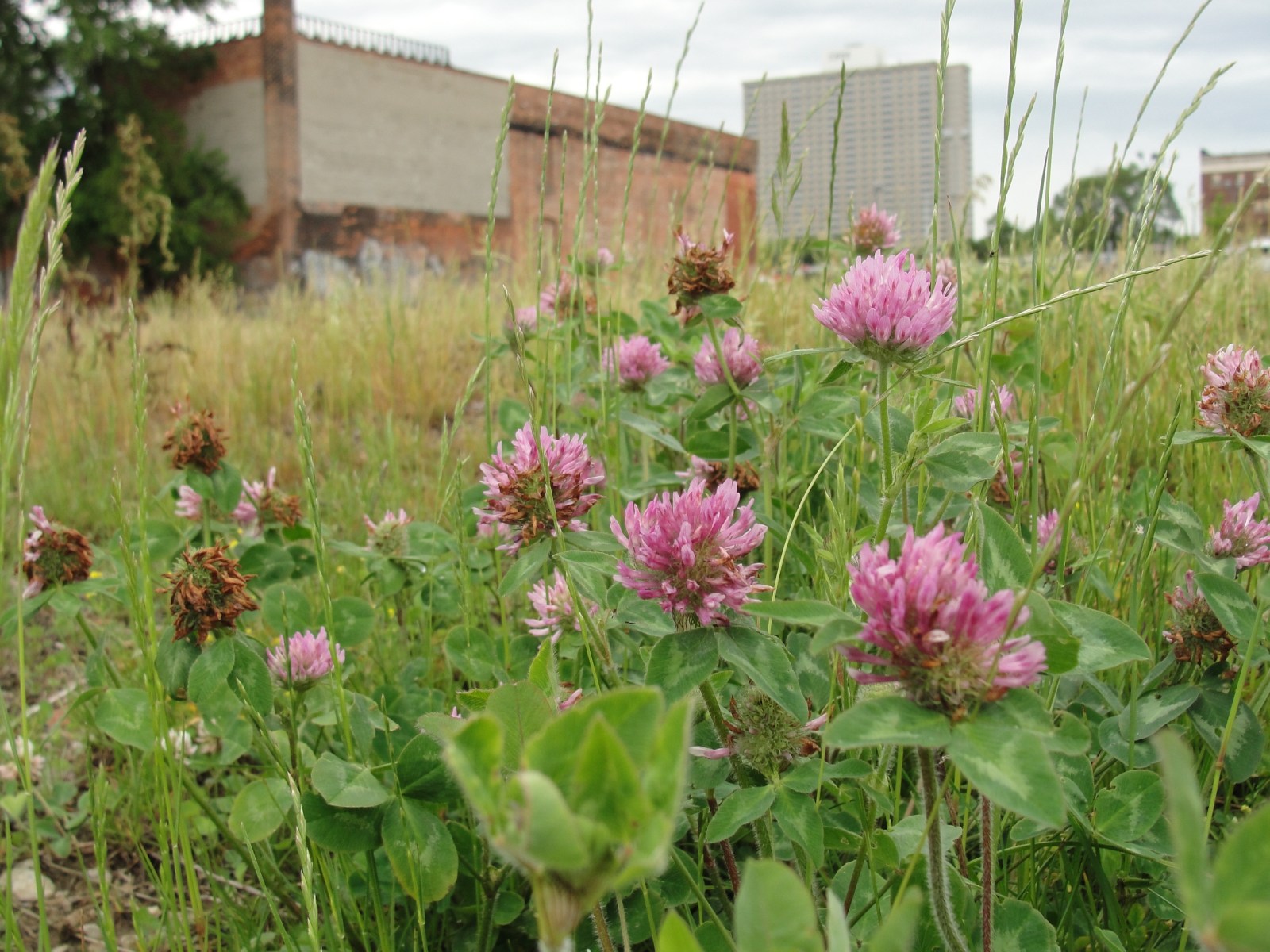
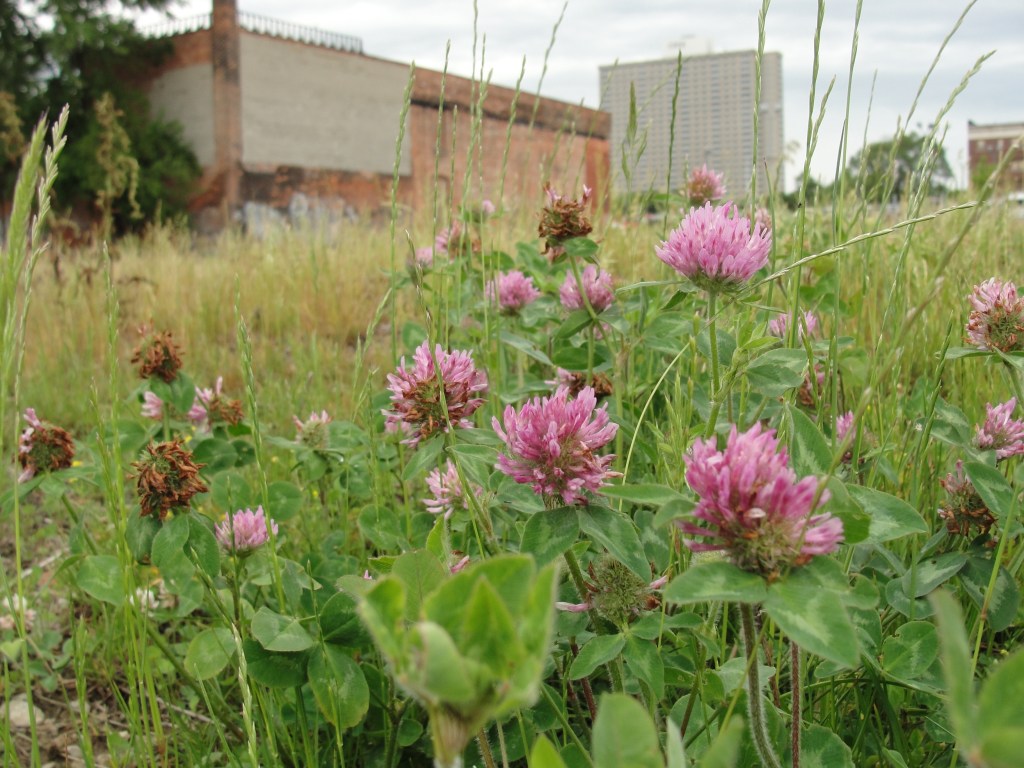
- Open Fields and Edges of Woods: This is the time for Garlic Mustard, Violets (leaves and flowers), and Wild Onion (bulbs, greens). Clover (flowers, leaves) and Sorrel (leaves) are also in season.
- Wetlands and Waterways: Cattail (shoots, pollen) is now ready to harvest.
- Woodlands: Morel Mushrooms can be found across many regions during this time. Oak (bark) and Spruce (needles) are good for harvesting.
Foraging Summer
The full bounty of the season becomes available, with an abundance of berries and flowers.
- Open Fields and Edges of Woods: Wild Berries, including Blueberries and Strawberries, begin to ripen. Yarrow (flowers) and Goldenrod (leaves, flowers) are widely available.
- Wetlands and Waterways: Elder (flowers) are ready for picking, perfect for making syrups and teas.
- Woodlands and Partial Shade: Pine (needles) can be harvested for teas rich in Vitamin C.
Foraging Fall
As the temperatures cool, the focus shifts towards roots and late-season fruits.
- Open Fields and Edges of Woods: It’s time for Apple (fruit) harvesting and collecting Rose (hips) for Vitamin C. Burdock (root, seeds) and Dandelion (roots) are ideal for fall harvesting.
- Wetlands and Waterways: Late Nettle leaves can still be found, along with Peppermint and Spearmint for fresh teas.
- Woodlands: Hickory Nuts and Walnuts are ready for gathering. Hawthorn (berries) can also be found in woodland edges.
Foraging Winter
Winter foraging requires knowledge and patience, but can be rewarding in many climates.
- Open Fields and Edges of Woods: Dried seed heads of plants like Goldenrod and Queen Anne’s Lace may still be accessible and useful for teas.
- Woodlands: Tree barks such as Birch and Pine can be harvested for teas and medicinal use. Look for dried berries and fruits still clinging to branches.
About the Author
Lisa M. Rose is an ethnobotanist, wild foods chef, and author with a profound dedication to exploring the symbiotic relationship between humans and plants. With an academic background in anthropology and community health, her culinary journey has been rich and varied, including stints with notable establishments and figures such as Stags Leap in Napa Valley, Alice Waters’ The Edible Schoolyard, and organic farmers in Northern Michigan. Rose’s work is celebrated in her bestselling books, Midwest Foraging and Midwest Medicinal Plants, among others, and her expertise is frequently sought by major media outlets, including the Chicago Tribune, PBS, NPR, Martha Stewart and CNN.

