

Acorns are a forager’s staple. A few bags gathered before winter give you a store of nuts for soups, nut butter and flour. They take work, because fresh acorns are bitter with tannins. Leach the tannins out and the nutmeat tastes a little like chestnut.
How to identify oaks
White and red oaks (genus Quercus) are identifiable by their gray bark and alternate leaves, clustered at the terminal bud, each with soft, round edges. To discern between the two groups of oaks, white oaks have round-tipped leaves and red oaks have pointed leaves. Leaves can be deeply lobed or have no lobes at all. All acorns can have spiny or shaggy caps. Both the red and white oak produce acorns that are high in tannins, so they are not as palatable when fresh, but a good leaching can remedy the tannic flavor. White oaks have less tannin and produce the preferred acorn among foragers.
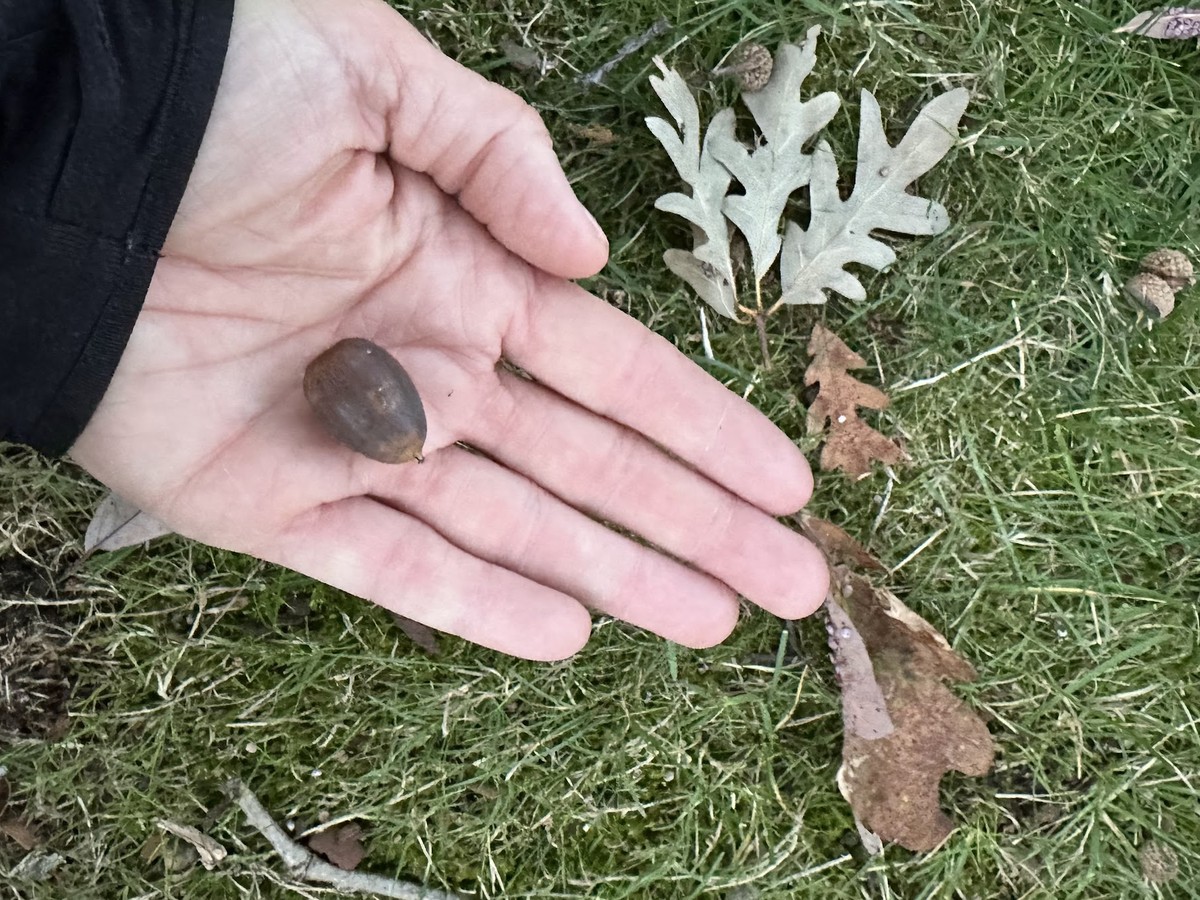
When and where to gather
Oaks grow in parks, along streets, in yards and at the edges of woods across the Midwest, the rest of the US and the UK. Acorns fall in waves from late summer into winter. Wait for the second or third drop, usually around early October, because the first acorns to fall carry the most insect damage.
Gather away from roads, rail lines and lawns treated with herbicide. Some city and state parks do not allow foraging, so check the rules, and ask before you gather on land that is not yours.
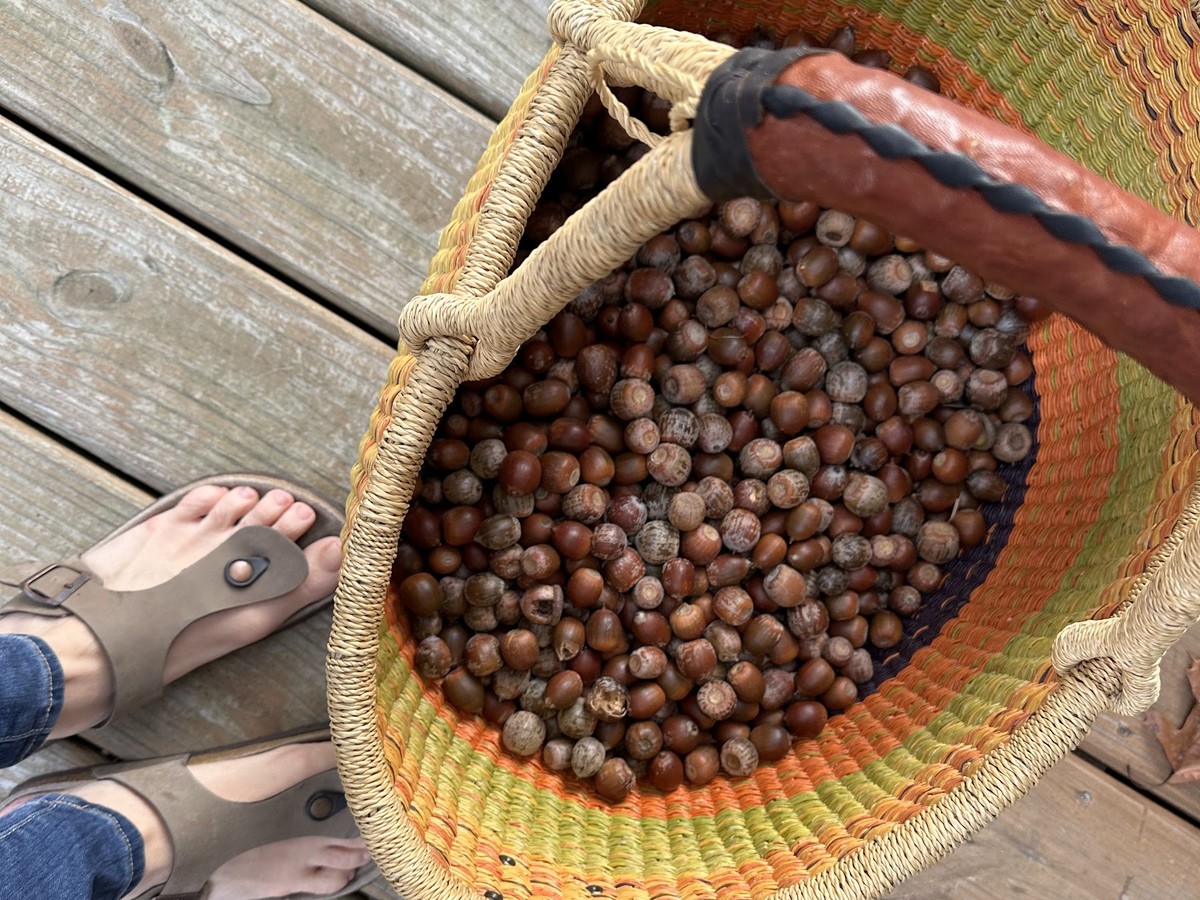
Choosing good acorns
Keep acorns with a firm, clean, fresh-looking disc where the cap was attached. Throw out any with small holes, mould, or a cap that looks loose or off. Fresh acorns do not keep long. Dry them on a screen or store them somewhere cold, below 50°F (10°C), and check them for mould.
Shelling
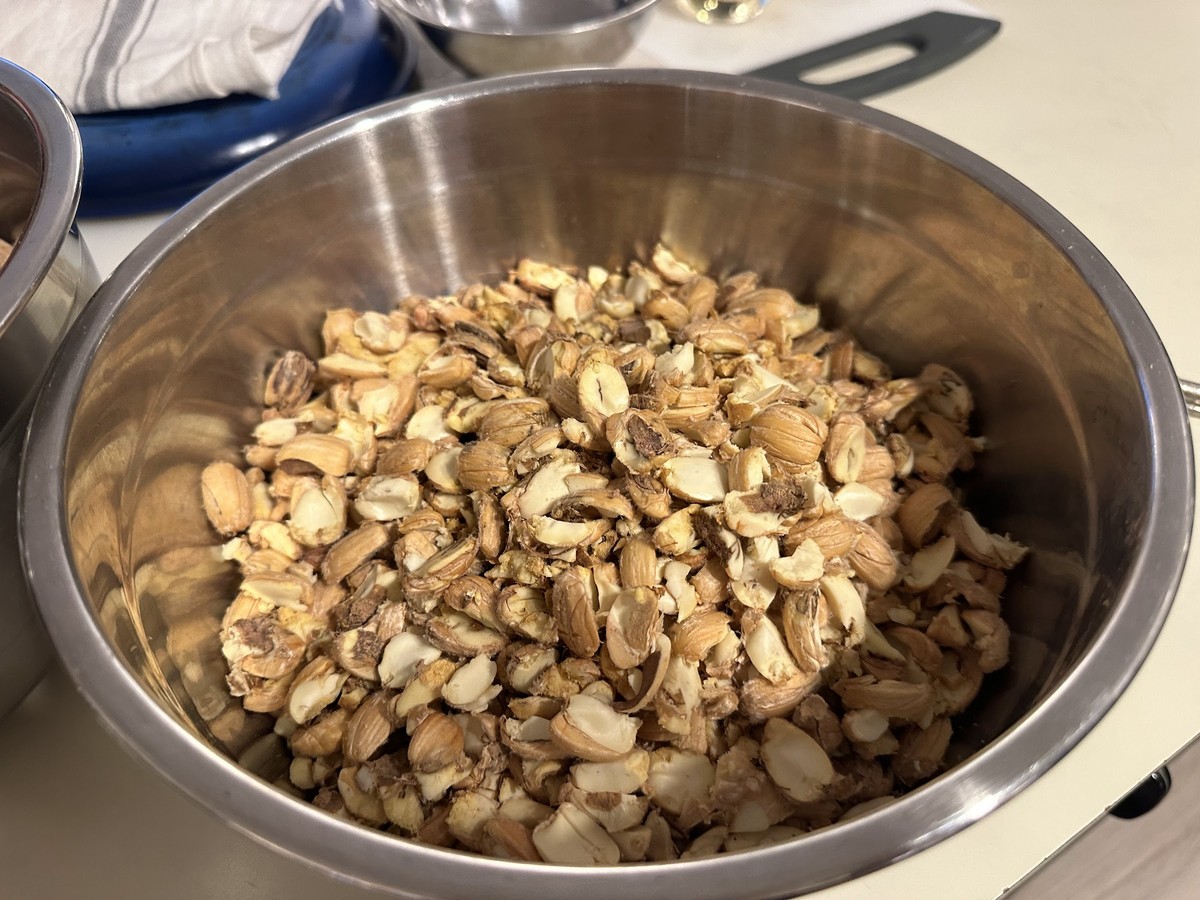
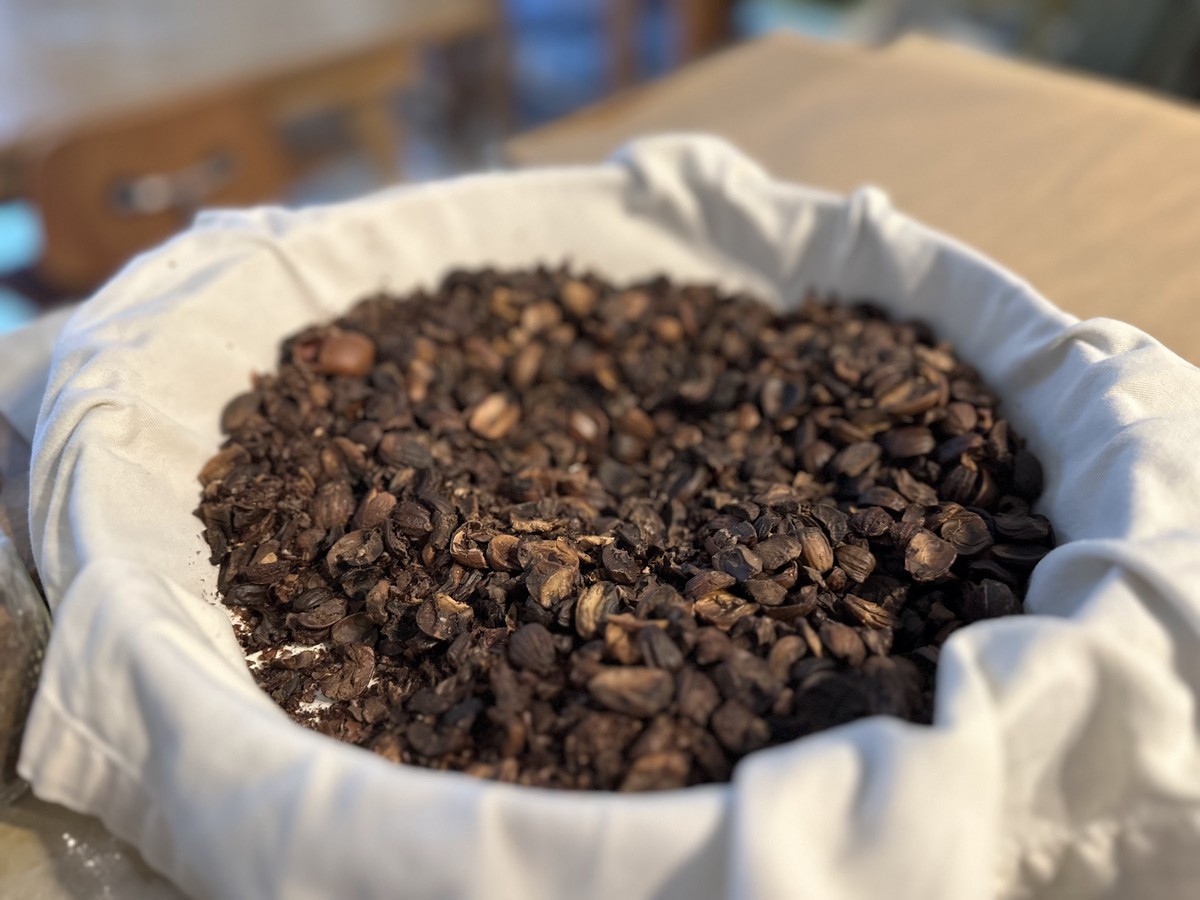
Crack the shells with pliers or a hammer. Large pieces of nutmeat come out more easily than crushed ones. For big batches, a hand-cranked nutcracker is worth sharing with a few forager friends.

Leaching out the tannins
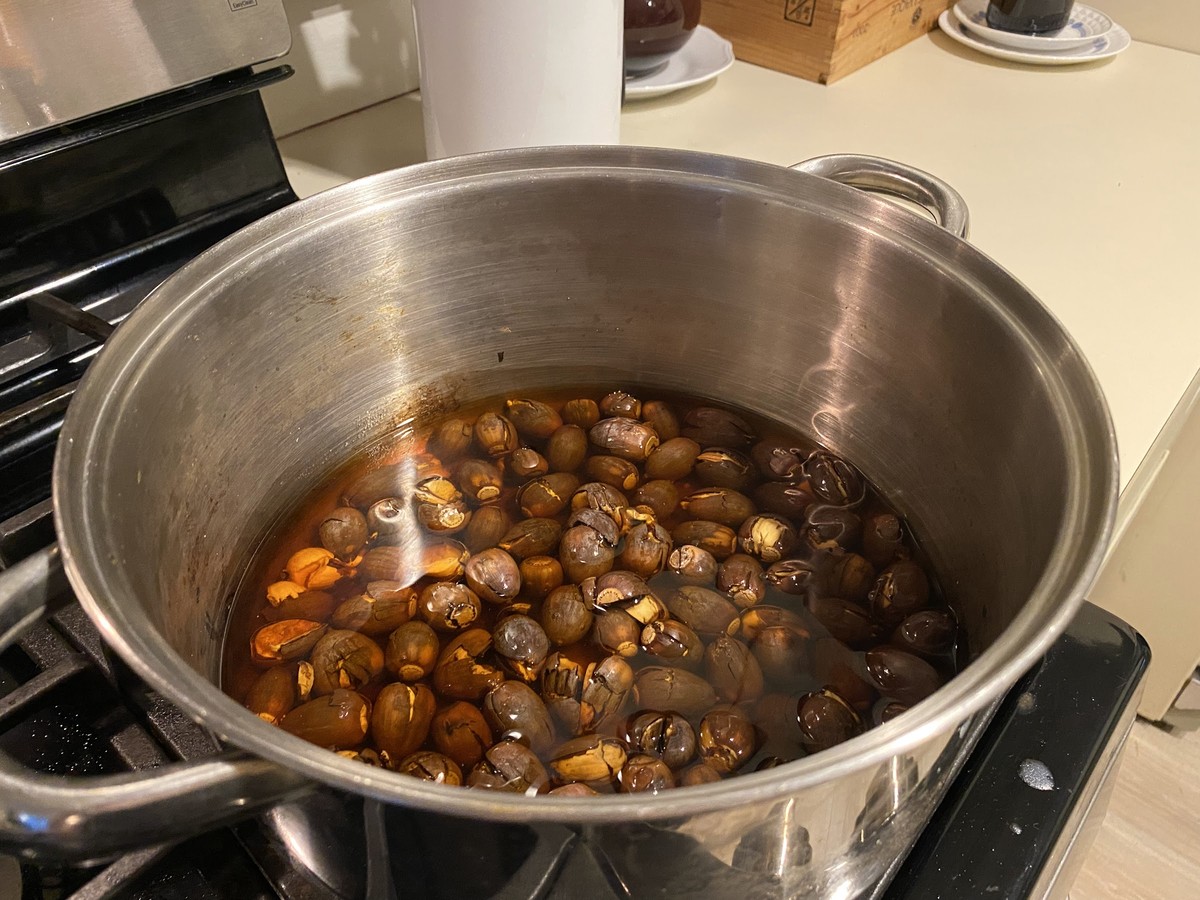
Leach the shelled nutmeats before you grind them.
Hot leaching. Simmer the shelled nutmeats in a big pot at a ratio of one part nuts to five parts water. Pour off the brown water and add fresh. Repeat until the nutmeats taste nutty and no longer bitter. This can be done over a long weekend.
Cold leaching. Soak the shelled nutmeats in cold water and change the water once or twice a day until the bitterness is gone, usually several days. Cold-leached nutmeats make a flour that binds better in baking.
Drying, grinding and storing
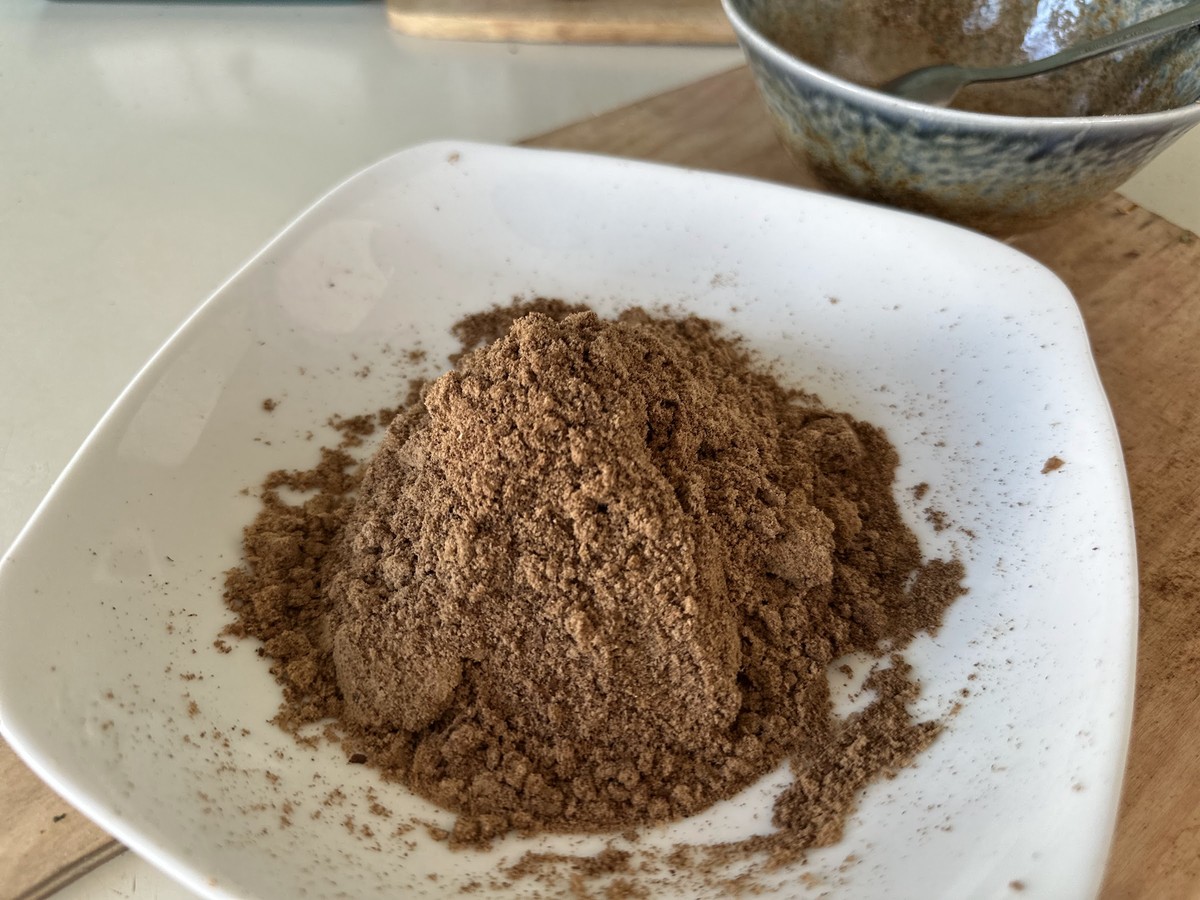
Dry the leached nutmeats fully in a low oven or a dehydrator. Grind them fine in a coffee grinder. Use the flour right away or freeze it, because acorn flour goes rancid quickly at room temperature.
Cooking with acorn flour
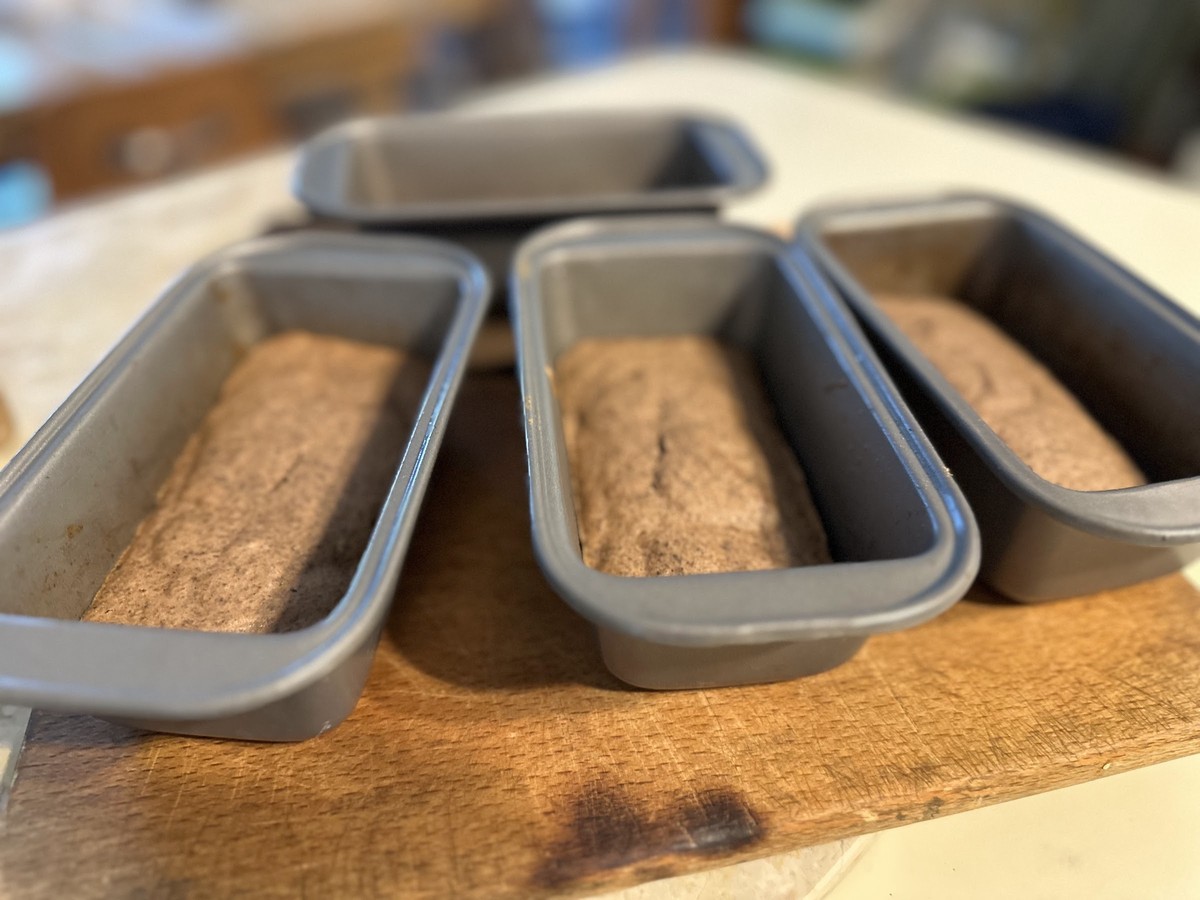
Acorn flour has no gluten, so I mix it half and half with wheat flour or a gluten-free blend. Toasting the leached nutmeats brings out a roasted flavor, and acorns can stand in for chestnuts in most recipes. My famous acorn bread comes out on Sunday in my weekly foraging musings on Substack.
For the other fruit and nuts dropping in town this month, see Wild Fruit and Nuts in the City.
Safety
Be certain of your identification before eating any wild plant. If in doubt, don’t forage it. Never eat acorns raw; leach them first. As with introducing any new food or herb into your diet, do so with care to rule out any adverse reaction.
Acorns in my books
Oaks and acorns are in Midwest Foraging (page 184) and Urban Foraging.


Recipes are part of my weekly foraging musings on Substack. Subscribe and follow to get all my tips.

