Grow Your Herbal Apothecary from the Ground Up
471023_366068980114626_421070572_o

It’s that time of year again — Spring! I know I’ve been thinking about planting time since January, when the seed catalogues began to drop into our mailbox (an evil tease, I say) and this time of year I become so excited to once again get my hands into the soil. It is my therapy and peace.

It delights me with happiness that the urban farming and gardening movement continues to gain momentum and that others are joining in, tilling the soil to grow their own food and herbs. For reasons of health, economy, environment and justice, it’s now quite popular to have tilled the grass for edible plants and vegetables as outdoor landscapes instead of lawns. On the note of health, as you think about starting your garden this spring consider including herbs into the plan.

Imagine this at the end of your harvest season– your own herbal apothecary filled with local herbs that are gathered from your gardens, the farmers market, and even field hedgerows and woodlands that you can turn to when you feel a cold coming on or get an upset stomach after an indulgent meal.  There is nothing more gratifying and satisfying to know you’ve stocked your pantry with herbal concoctions and medicines to keep you and your family well throughout the year. {AND you will find you will not need to take those expensive trips to the health food shop to procure your herbal remedies!}

For many, the word herbal apothecary evokes images of shelves, bottles and jars all filled with mysterious herbs, herbal formulas from exotic plants.  But to have an herbal apothecary that your family can turn to for basic ills and chills, plants need not be exotic or mysterious – in fact, as more and more people look to local plants and herbs to incorporate into their natural wellness routine, beginning your own apothecary can begin as close to home as the garden.

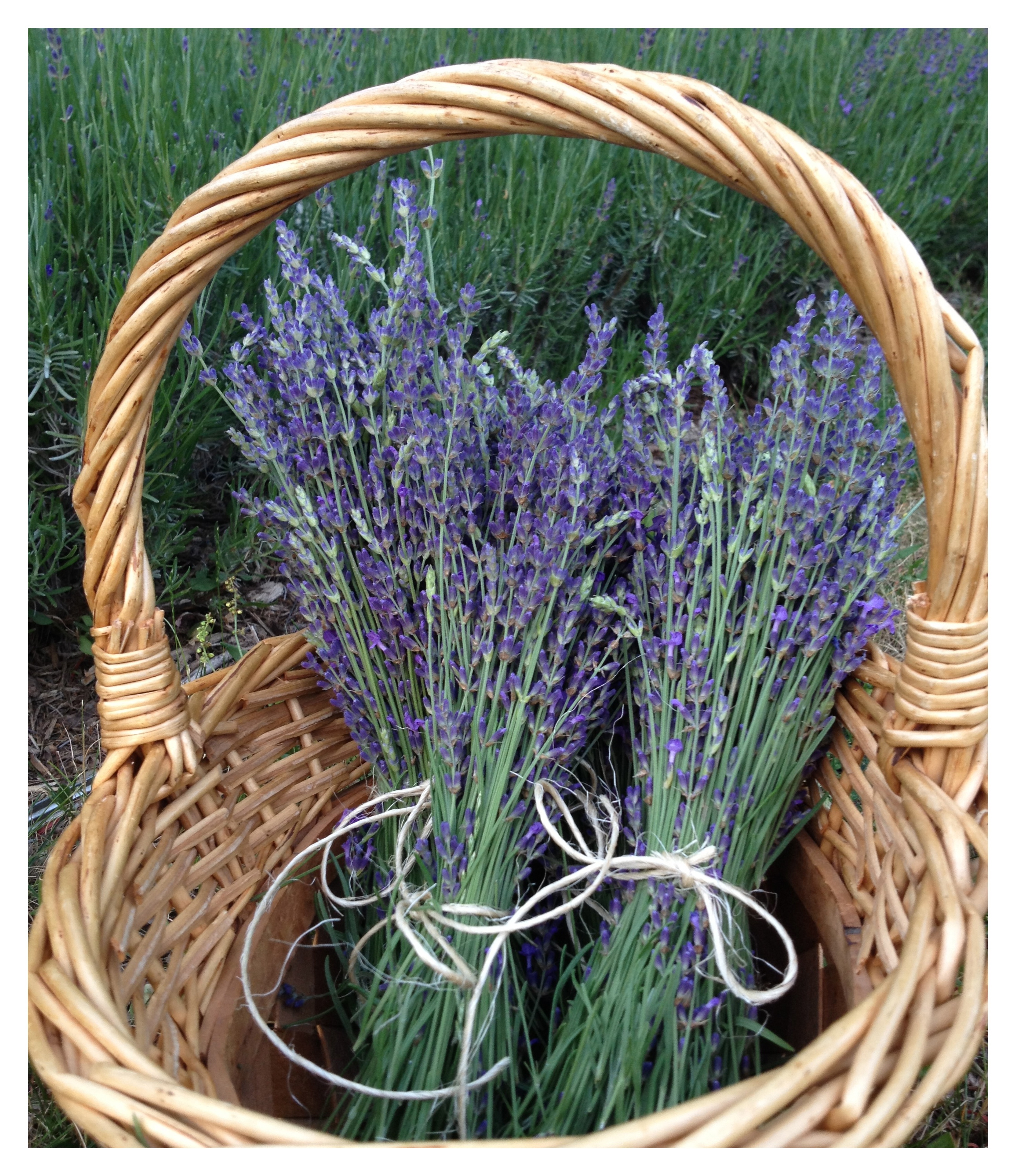
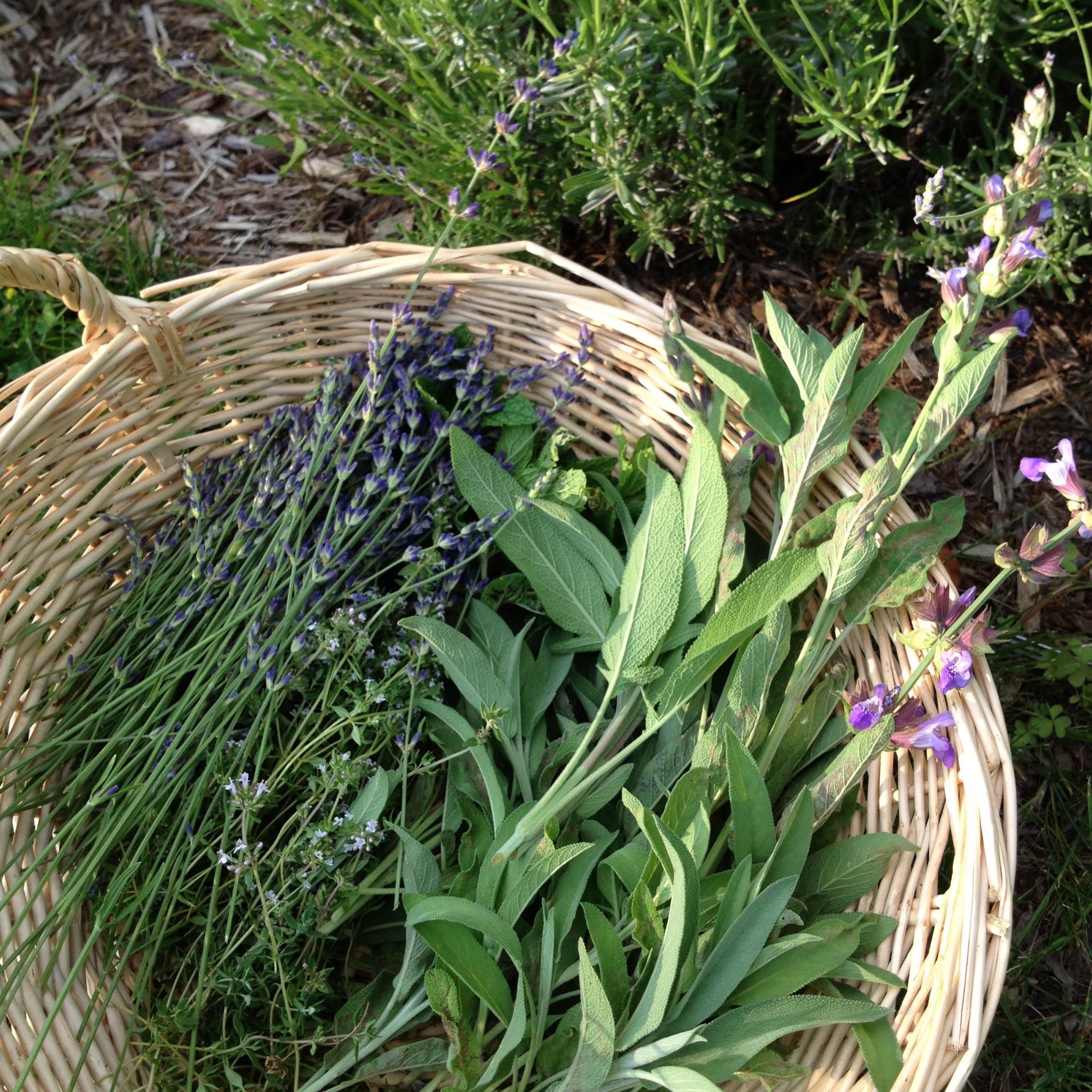
Grow your own.  In establishing a supply of herbs for your own herbal, consider growing a few perennial kitchen herbs like popular plants such as Rosemary, Thyme, Sage, Mint, Bee Balm and Lavender. These well-known plants will not only offer you a source of fresh culinary herbs throughout the season for cooking, but can be dried for tea for winter’s warm sipping. Also keep in mind that it’s nice to have these culinary herbs close to the kitchen for easy harvesting when cooking.

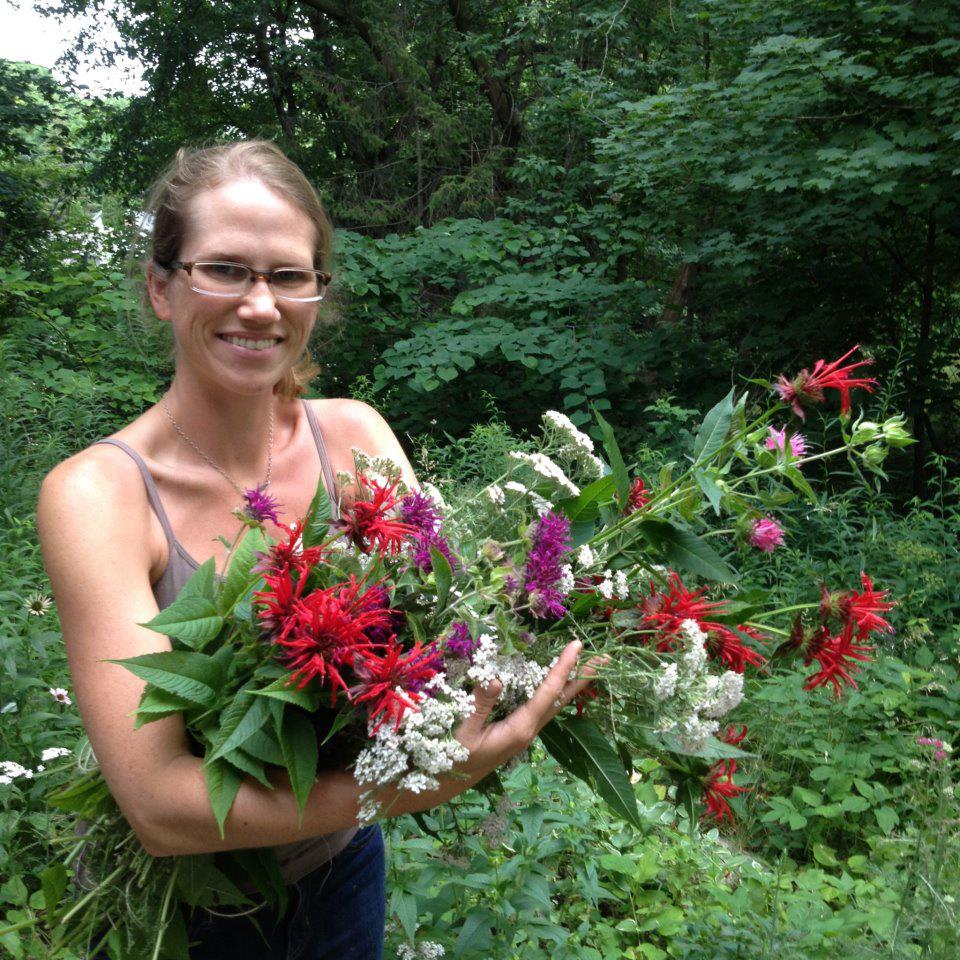
I also love other perennials like Echinacea, Yarrow, Comfrey, Borage, Boneset, Roses and Milkweed. Pollinators love these plants (think BEES!) and they offer wonderful medicines for the herbal apothecary. They also work in containers.

Kitchen herbs can be easily integrated into a current garden plan if you already do have a garden or yard, or can be easily grown in containers on the patio and in the windowsill if you are an apartment dweller and lack growing space.  These basic kitchen garden herbs are widely available at local greenhouses and can often be found at the farmers market (when selecting transplants for your gardens, be sure to look for plants that have a vital energy and have been started in chemical-free, heavily composted soil).

Farmers Markets. Don’t feel left out if you aren’t a gardener. The summer farmers markets are gearing up for the growing season. And if you aren’t growing your own, the farmers market is the next best place to be procuring garden-fresh herbs that you can preserve and dry. Check out LocalHarvest.org for a market or farmer that sells herbs in your area.

Harvesting & Preservation. Throughout the growing seasons, kitchen herbs can be easily cut with scissors and can be used to make herbal honey or vinegars.  Their stalks can be bundled and hung to dry simply dried on screens to later be blended together for a soothing aromatic tea blend. An added bonus for cutting back the first round of blooms: Sometimes an early cutting of the flowers will result in a second bloom. Lavender will often do this if it’s a warm summer.

To dry the plant material for tea, individual leaves and flowers can be harvested and dried on screens in a dry space. The larger stalks can be bundled and hung to dry. Be sure to harvest the plants after the morning dew has evaporated and that the plants are fully dry before storing in glass jars.  If the plant is not thoroughly dry before storing, there is a high likelihood that the drying plant material will mold in the container — and that’s a drag. Be sure to always label and date the jars as you put up your herbal harvest.

Using your herbs in your apothecary. Tasting, smelling your freshly harvested herbs will set you on your way to better understanding how plants can be used in times of illness and as part of a regular diet.  Take note as to how they taste in tea using both dry herbs and fresh plants. Notice a difference? You will learn ways to prepare the herbs to suit your tastes, and also how they may have an action on the body. So as you continue along your herbal harvest journey, experiment with the herbs singly as a tea or try blending them together!

Over the coming season, you may find that you like working with plants so much you will want to delve into making herbal salves, herbal infused oils and tinctures.  Or become a forager of the wild, uncultivated plants. You certainly will discover that it is truly satisfying to begin to rely on the natural world for wellness and to connect to a  tradition of herbal healing and reliance on plants that is as old as time itself.

To learn more, consider signing up for one of my foraging and medicine making classes. I’d love to have you and share with you the healing wonders of the outdoors. It’s good for both mind, body and spirit (AND pocketbook!).
Honey Bee Medicine & The Apothecary

411689_327876187267239_456561793_o

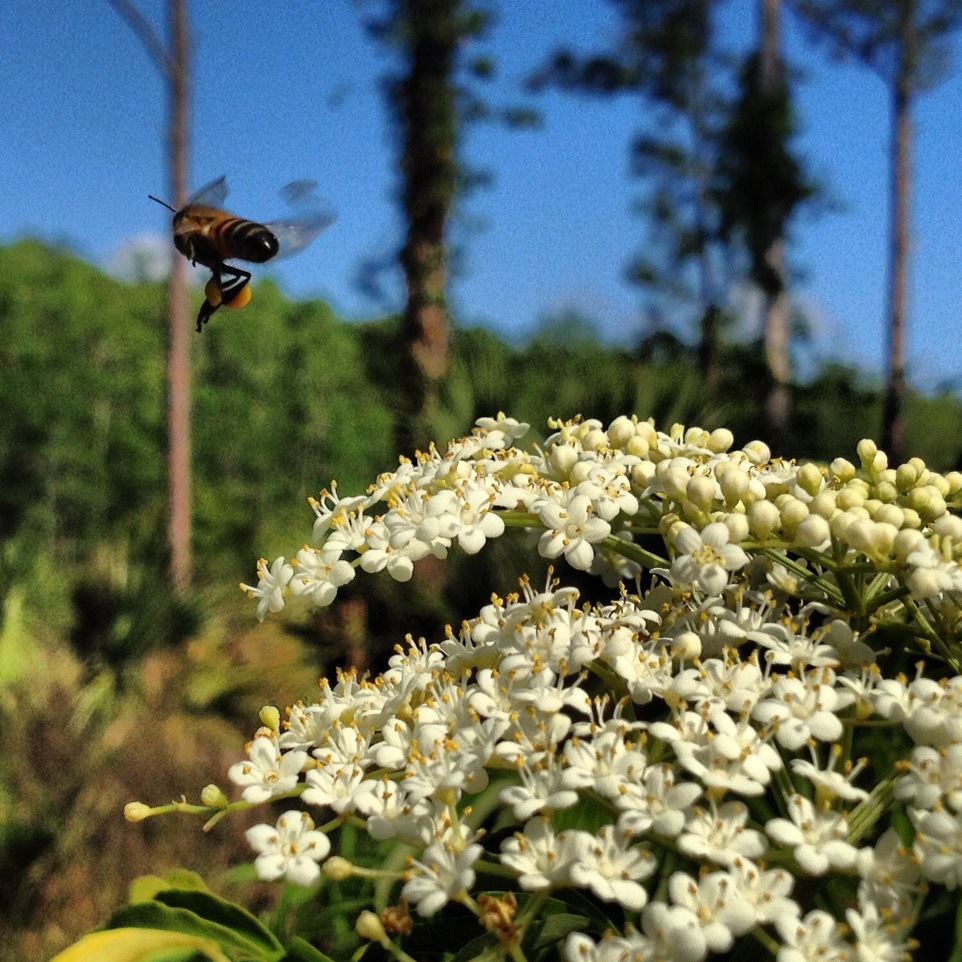
Honey Bees are the Earth’s first and best herbalists. They flit from flower to flower; pollinating and as they do so they collect the plant’s magic pollen dust which then gets imbibed into deliciously healing honey. Bees also collect resin from trees to create propolis, which repairs cracks in their hives and is also a useful human medicine.

Honey bees are the magic link to our food system and are the proverbial canary in the cave when we think about health and balance in our ecosystems — coming soon is a post on how to help the honey bee as both gardener, land steward, eater & herbalist.

The honey bee is a special creature to be protected and revered, especially as we look to strengthen and repair not only our local ecosystems, but as we look to strengthen our own health and wellness.

479749_432256196829237_684635577_n

The Local Honey Pot 

Every kitchen and home apothecary should never be without a jar of locally sourced, raw honey. Not only is it a useful culinary staple that can be used frequently in the place of refined, processed sugars (honey’s glycemic index is approximately half that of refined white sugar) but local, raw honey is a truly pure, local medicine made by the honey bees from the plants and flowers that live immediately around us.

Just as it is important to source your food as locally as possible, sourcing local honey is equally important. It is easier than ever before to seek out local, raw honey from a local bee keeper  — just visit your local farmers markets or get online and use LocalHarvest.org to find a supplier nearest your locale.

Why local and why raw? Sourcing local honey does a few things: 1) It supports local bee keepers and their work to support local food systems. 2) Honey that comes from local bees is created with the help of plants immediate to your growing area (and often can help support the immune system that may have issues with plant/hay fever allergies).

Raw honey that hasn’t been heat or pasteurized (much of the commercial honey is processed), also contains all the beneficial enzymes and is not usually filtered. It also can have a bigger (and better, in my opinion) aroma and flavor profile representative of the local flora of the immediate area. It’s honey with terroir and higher medicinal power.

Speaking of terroir — Because of the global food trade and economy, much of the commercial honey available at the supermarket today is coming from Brazil, China and other places in the world. Frequently, large producers blend the batches together and because of limited labelling laws, a consumer will often find a label on a jar of honey to identify its place of origin as Brasil, China AND the US — ALL AT ONCE. Multiple countries all in one jar. Additionally, the commercial honey market is becoming increasingly unstable, with more frequent occurrences of adulteration being uncovered every day.

So, be sure to take time to read labels and source your honey from a local apiary or farmer near your home. That said, the purist in me be damned– if the only access you have to honey is the honey bear honey at your local convenience store and you ~need~ it, go for it. Better some honey than no honey at all.

266280_183724991682360_7323478_o

Infused Honeys

One of my most favorite uses of honey in both my kitchen and apothecary is infused honey. While using straight honey when a cough or cold comes about is easy and fine, there is nothing more divine that spooning out raw honey that has had beautiful herbs and flowers infused into it for several weeks, imparting not only the aromas of the flowers and plants, but their medicinal properties as well. It’s also good on toast. Haha.

464345_366131443441713_216997261_o

Making infused honey. Infusing honey is a very simple process. Gather herbs, flowers then add them to a jar. Then cover with honey and let infuse for at least a few weeks, taking the time to occasionally turn the jar upside down to stir up the plant material.

Some herbs that work well in infused honey include: Chamomile, Lavender, Rose, Jasmine, Orange flower, the invasive (and loved by me Honeysuckle), Lovage, Osha, Bee Balm (any Monarda), Vervain, Mint, Sage, Thyme, or Elderflower — these are just a few. Onion and garlic are also great choices and make for an excellent base for a cough and cold syrup. I prefer to use fresh plant material in season, but supermarket herbs also work, as do dry.

During the infusing process, because of its anti-microbial and preservative qualities, the honey with the herbs will not rot in those several weeks of infusing — especially if stored in a cool, dark place. However, there is the chance that the herbs and honey will begin to ferment — something that will be apparent if the jar produces CO2 and pushes up the lid. In this instance, you are well on your way to making mead. Contact your local brew shop for support on how to create this fine fermented concoction.

When you are ready to eat the honey, the herbs can be strained out or left in the honey — it’s totally up to personal preference.

Uses of infused honey: Infused honeys can be added to herbal teas to help support the body’s immune responses to illness and can also be eaten regularly as added immune support benefit. Note, however, that eating honey is not a replacement for foundational immune strengthening — diet, exercise, stress reduction and sleep are core elements to staying healthy.

290414_411494588905398_1203052530_o

Other uses for infused honey includes Herbal truffles and slippery elm pastilles. These are are wonderful honey-based herbal preparations that can be made in large batches and then refrigerated to have on hand when a sore throat or stomach ache come around the home. While it’s possible to make these with plain honey, using infused honey can make these herbal creations especially delicious.

Infused honeys can also be bases for making herbal elixirs — I use mine to make my delicious Elderberry Elixir. It adds not only the medicinal power of the plants & honey, but a nice flavor profile to this important apothecary staple.

Additionally, both plain and infused raw honey can be used topically in wound and burn healing, It’s antimicrobial and antibacterial properties can support the skin & membrane’s healing processes — it can also be used topically in instances of MRSA.

251265_414621868592670_1511697826_n

Propolis

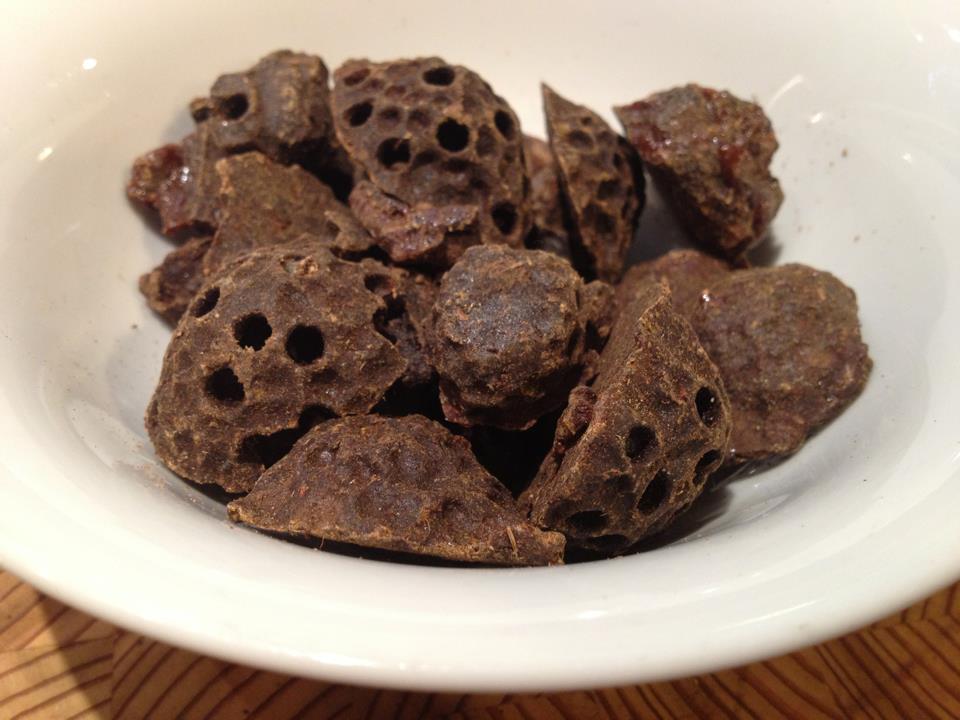
Bee propolis is another bee medicine that should become a staple in every home apothecary. Made from the resins of trees by the bees, it is used within the hives to protect, reinforce and repair the cracks and seams within the bee hives.

This magical substance is frequently leftover on the bee keeper’s hive and can be gathered for preparation into a liquid extract or to be eaten raw. Just be sure to use propolis that is free and clean of paint or linseed oil (common applications to the bee hive itself and can sometimes get into the propolis). To find a local bee keeper near you that may offer propolis, check LocalHarvest.org or visit your nearby farmers market.

Propolis possess the same medicinal properties as honey — the propolis is antimicrobial, antibacterial and is resinous in nature. Because of its resinous nature, it can be used as a liquid bandage in the instances of minor skin irritations, scrapes and fungal irritations (propolis is also antifungal in nature). Take care to not use propolis as a liquid application on a wound that may have debris or infection — it can seal in infection and can potentially cause more irritation than heal. And that’s no good.

Propolis is also frequently used by herbalists to heal sore throats (it is wonderful as a throat spray mixed with echinacea, osha and elecampane).  A liquid extract is helpful for easy preparation — I put mine in a spray bottle (also many commercial herbal products producers make a spray, which is good if you can’t be bothered with making your own spray).

NOTE: In the instance of strep throat it can also be used, but because strep so frequently can only be cleared up with strict adherence to an herbal protocol (not to mention ridiculously contagious), this is one instance where I turn to an antibiotic. Propolis can be used in tandem with an antibiotic to soothe the hot, scratchy symptoms of the strep.

338453_235936633127862_436579412_o

To prepare propolis. Freeze the resinous propolis to allow for easy smashing — freezing it allows it to not become a sticky mass otherwise. With a 1:4 ratio, prepare a liquid tincture of propolis using a high proof alcohol (In Michigan, the easiest to source is Everclear or Bacardi 151). Allow the propolis to extract for about 6 weeks. Strain and bottle, noting that everything the liquid propolis touches will gum up and become sticky. Clean materials and bottle lids with Everclear to get it clean.

341471_244510975603761_1955624306_o

Beeswax

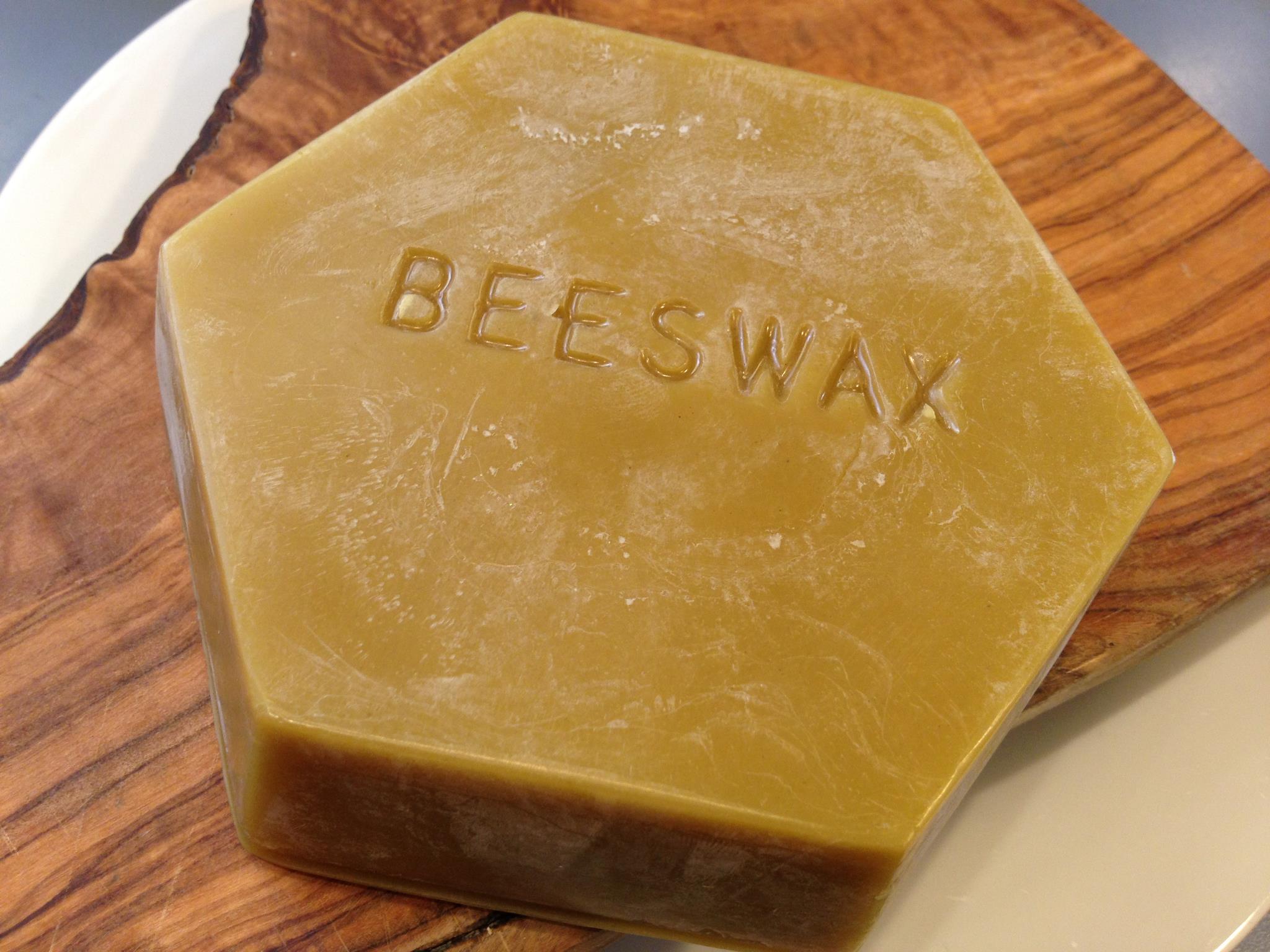
Beeswax is the third bee medicine that every home herbalist should have on hand — especially the local kind as it smells particularly divine. It’s a key ingredient in making salves and balms and creams!

In a time where more and more information is coming forward as to the toxicity of topical creams, cosmetics, and cleansers, making healthful skin preparations is an easy solution to avoid the petro chemicals & endocrine disruptors AND save a bit of money on beauty care! Using infused oils blended with the beeswax can result in salves that can be very useful to have also in the medicine kit. Here’s an easy herbal salve how-to by Mountain Rose Herbs.

290408_410261309028726_512560509_o

~ to learn more about these and other folk medicine making preparations, check out my class list!~ 

The Best Work Ever

When I was in college, I had the best job: I worked in a music store. Dan’s Compact Music, on 7th Street in Grand Haven to be exact. It was the 90s, before iTunes and downloads. We didn’t sell vinyl, only sold CDs (and LaserDiscs if you can remember those), and never cassettes. My computer operator number was 8 and as far as I can recall, there wasn’t ever a day that I didn’t want to go to work. It was the quintessential record shop job and I loved it.

Everyday I was able to surround myself with an endless amount of music to listen and consider and ponder. And everyday I met people who had similar and different interests, approaches to and tastes in music. It was never boring.

One of my most favorite activities (next to hanging promo materials from the record labels on the walls) was calling special orders. With every phone call I got to deliver the message that ~their~ cd had arrived. I felt like a magical special order fairy, as though I was holding the secret key to their life’s delight that day.

26272_1382122466783_2833115_n
To me, music is as magical and medicinal as work with the plants. There’s something about music — it’s ability to resonate through your entire body, stirring the soul and tingling your spirit out through your fingertips. And without getting all new age and start talking about resonance and chakras, music is healing. It’s medicine.

That musical match for a person is  extremely intimate, and working with plants and people — trying to find that match — is pretty much the same thing.

For me, the work with plants, herbalism and being an herbalist is similar to working in a music store– it’s  about learning and appreciating all sorts of types of plants; and like music, recognizing what I like and why, and that some will resonate more than others.  I have my own personal “Top 10 for a Desert Island” list that most likely will differ (a bit, though there’s always those classic hits) from my colleagues, which is nice because we all have proclivities and specialties. While one might be a specialist of classical music, another may like blues. I definitely have my faves that will be lifetime favorites. And am never ashamed to be listening to hits off the Billboard lists. And at the same time, I’ll reserve judgement about what you are listening to, and even if I don’t like it or it doesn’t resonate with me, I can appreciate how it may work for another. I am pretty open that way.

And as an herbalist, there’s that stoke — just like those old days of calling the special orders where you match that plant to the person perfectly and their heart is happy … There’s really nothing like that feeling, and when that happens I get taken back to my times in the music store. Even if I am in my gardens or herbal apothecary.

560888_382014871853370_1961027047_n

So I’ve always said the music store gig was my most favorite *job* ever. But really, working with plants and being an herbalist is pretty much the same thing. And it’s some of the best work ever. How lucky am I?

~do what you love and your heart will sing~

Wolf Moon’s Winter Woodland Plant Medicines

553141_4692635667544_877549612_n

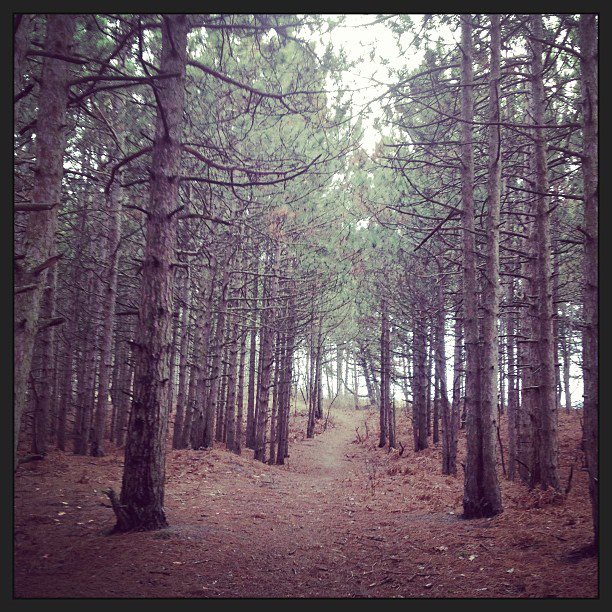
The light of the shining January Wolf Moon falls onto the crisp, glimmering snow crystals of the Michigan Winter Woods.  Winter is at its peak — the smell of cold, crisp, harsh air reminds us of the scarcity of the dark months.

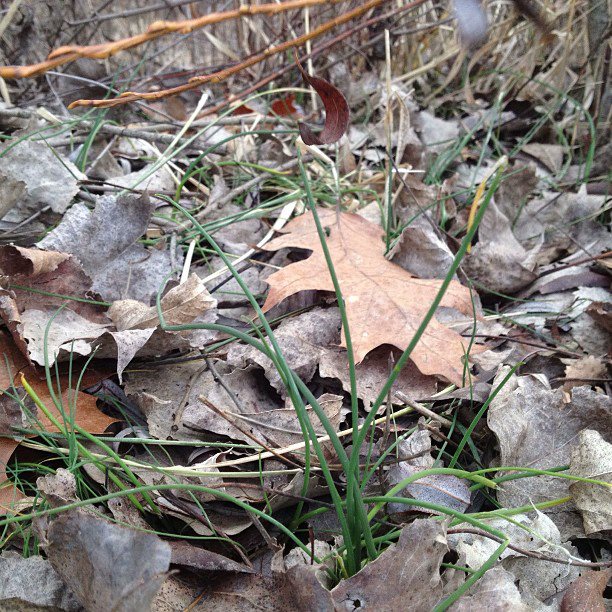
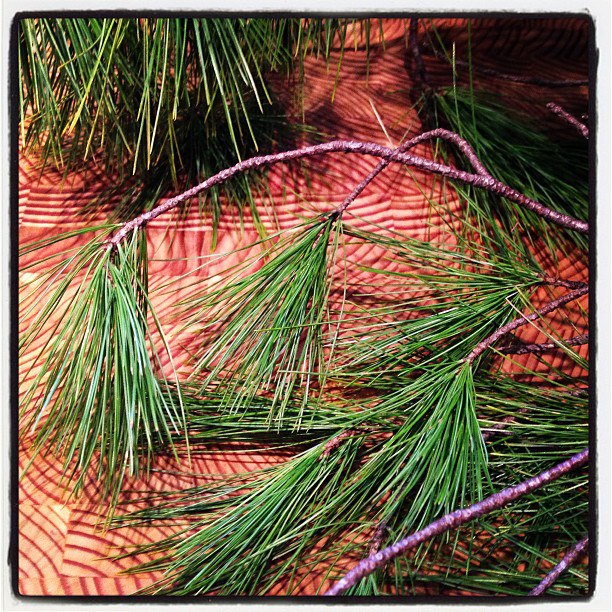
But even in the depths of winter’s darkness, nature offers us healing winter remedies for the season’s ailments. Up above in the canopy of the woods, the boughs of White Pine sends songs of its healing for the respiratory system into the breeze through the trees. Down below on the forest floor, the garlicky wild chives poke through even the most frozen ground, cold but still carrying that flavorful aromatic of onion.

207638_4725735135010_350567691_n

With the drying, resinous aromatic of the pine and the stimulating flavors of the wild chives, together both can be brewed as teas to help dispel the damp and stagnant lung mucous of winter’s respiratory distresses. It can also help release stuck mucous in the sinus cavities. And the Pine adds in a bit of Vitamin C for an extra boost of this needed winter vitamin. Because of this tea’s drying nature, juice of lemon and the addition of honey are nice to add a soothing, coating element to the tea. Also from the woods, wild cherry bark (Prunus, sp) can be added to help quell an  unproductive spasmodic cough and support it to be more productive in eliminating congestion.

For sustainable gathering, collect fallen boughs and branches of White Pine after strong winds have passed through the woods and clip the tops of the chives as they are perennial (at least here in the Great Lakes) and will regrow as the sunlight returns to the forest.  Brew handfuls of both pine needles & tips along with handfuls of chives in equal parts hot water for 10 minutes. Sip hot.

397661_4726272268438_1893286331_n

For steam inhalations, put a few handfuls of the plants into a steaming pot. Remove from the stove and cover your head with a towel to help open the most stuck of sinuses. This trick below — particularly the use of the child’s towel – was handed down to me from teacher and friend herbalist Jim McDonald (photo credit: T. Beel, 2013).

601215_10200256971689103_1477415860_n

The aroma of the simmering pine also helps clear the air of stagnant winter ick that can collect inside the home. Simmer pine tips and needles on the stove, releasing the aromatic oils into the air.

~~~

“Chestnuts Roasting on a Open Fire”

IMG_1573

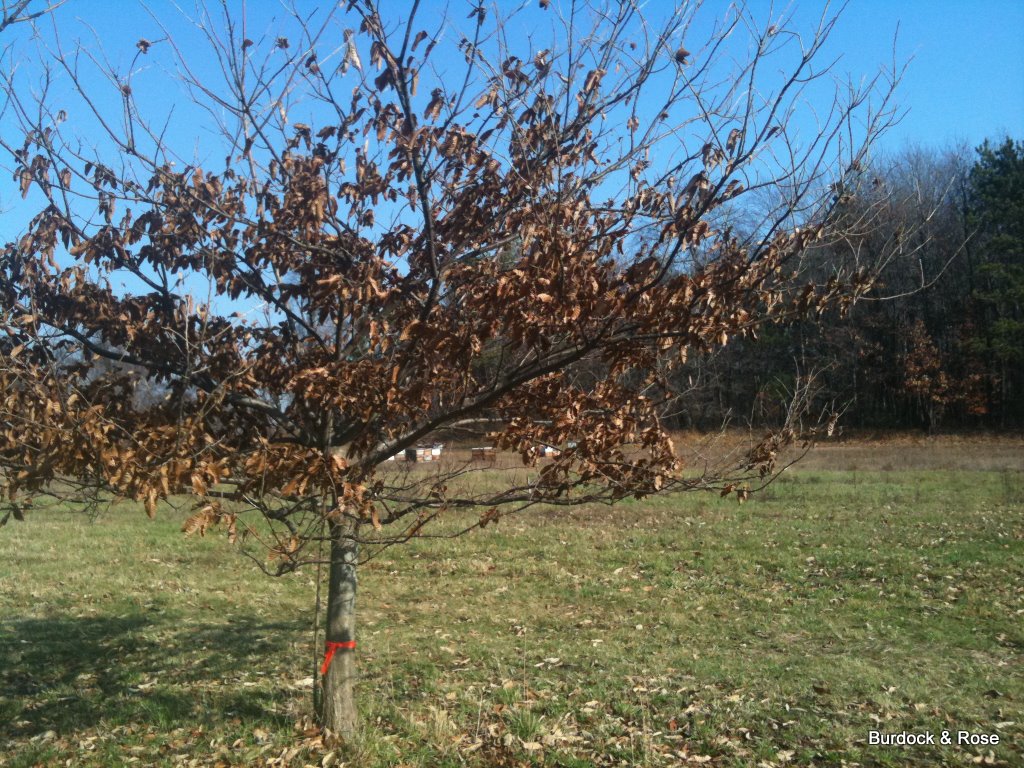
… A holiday mantra that hits the airwaves at Thanksgiving and then repeats on loop through the December holiday madness. We hum the tune, but have you ever added chestnuts to your table during the holiday?

The chestnut is a pretty amazing food, filled with protein, minerals and vitamins and energy in fact, if ever needed to rely on a nut (Hunger Games, anyone?).  And it’s pretty versatile too. Chestnuts can be roasted, boiled into soups and ground into flours.

For an easy holiday appetizer that kids will enjoy, I suggest roasting chestnuts stovetop for snacking while that Christmas turkey or ham is in the oven.  They can be peeled and enjoyed warm from the shell. They have a very neutral, almost buttery flavor making them an easy food for children to appreciate.

We first introduced our own children to the chestnut several years ago on a fall foraging jaunt. One Sunday afternoon, the husband and I loaded the kids into the car for a Sunday drive west from Grand Rapids to Winkel Chestnut Farms to learn more about the chestnut. The Winkel Farm grows about 20 acres of chestnuts and have been doing it for over 20 years.  While we had missed their regular UPick season; the owners, Leslie and Dick, were super cool to let us bring the family out to forage for fallen nuts on the ground.

IMG_4740

My children listened to the farmers tell us the story of the American Chestnut — how it was once prolific throughout the eastern United States until the Chinese Chestnut tree was introduced in the late 1880s, when a virus it carried affected greatly the American Chestnut and nearly wiped out its population completely.

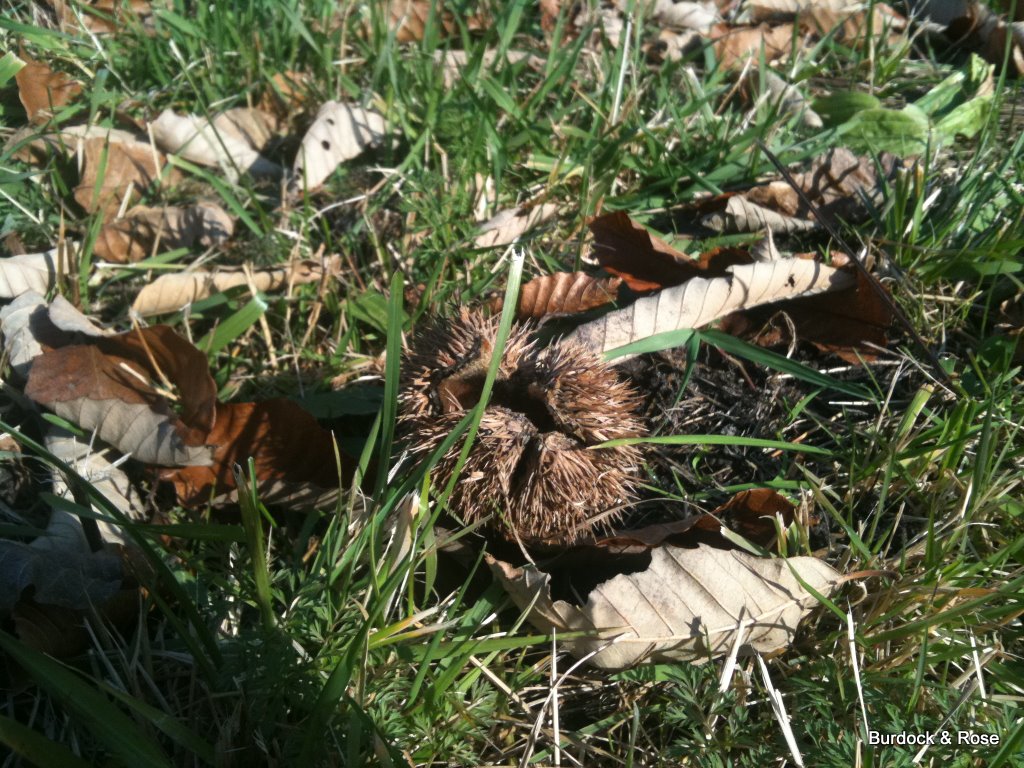
After about an hour of searching through the grass, we’d gathered several quarts of chestnuts. The children took it upon themselves to turn the ground foraging into a competition.  We wished we’d brought leather gloves — not realizing how spiky the spines of the chestnut were!

IMG_4741

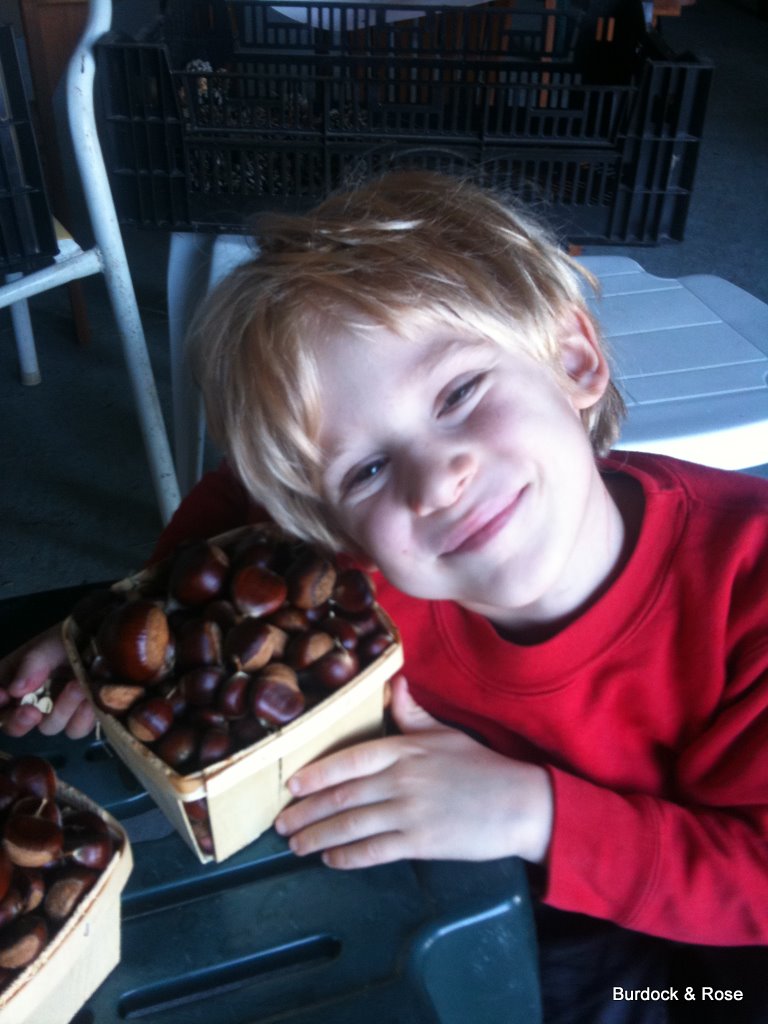
We giggled and laughed in the sunshine, trying not to puncture our fingers with their spines.  Farmer Leslie fired up the roaster and showed the children how the nuts should be scored on the bottom before roasting. The kids loved the taste of the warm nuts and were excited about adding chestnuts to our Thanksgiving menu. And while my children would have tried the warm nuts straight out of the cast iron pan during the holiday, making that venture out to the chestnut farm gave us a bit of family time together outdoors and taught the kids a little about the food’s history and ecology.

IMG_4733

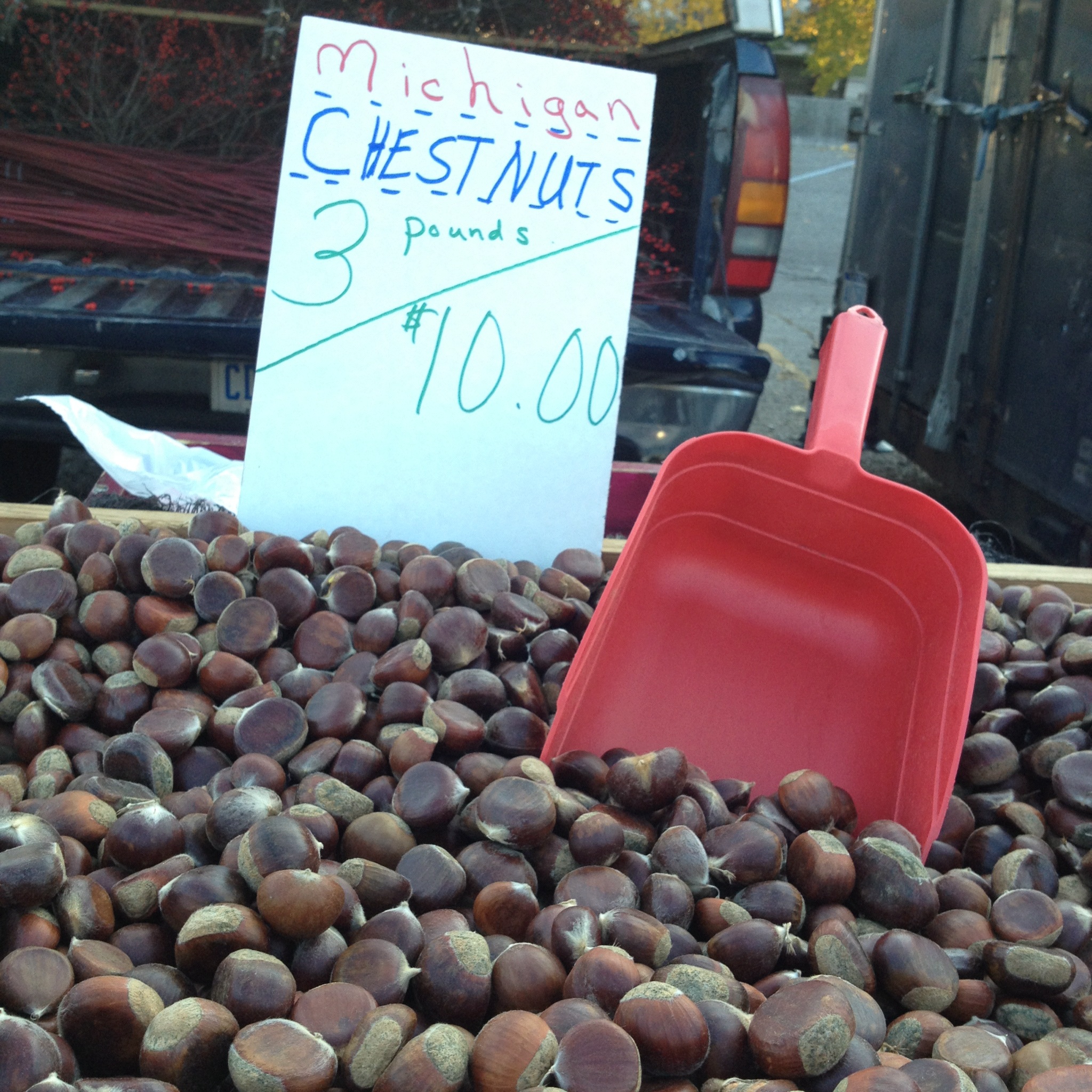
So now, each fall my kids see chestnuts at the farmers market or hear “Chestnuts Roasting on an Open Fire,” they will know more about the chestnut than it being just a healthy food. They will have memories of our family heading out and foraging for them underneath the chestnut trees.

And to me that’s what creating a culture of food around the table is all about — creating lasting memories and new holiday traditions with loved ones.

***To find a chestnut farm or farmers market near you, check out LocalHarvest.org. And for ways to prepare chestnuts, check out the many ways you can prepare chestnuts on FoodIly.com.

IMG_0348

Raw Herbal Truffles

Life sometimes can be hard to swallow.

That’s why the universe invented aromatic herbs & raw honey. And truffles.


IMG_6935

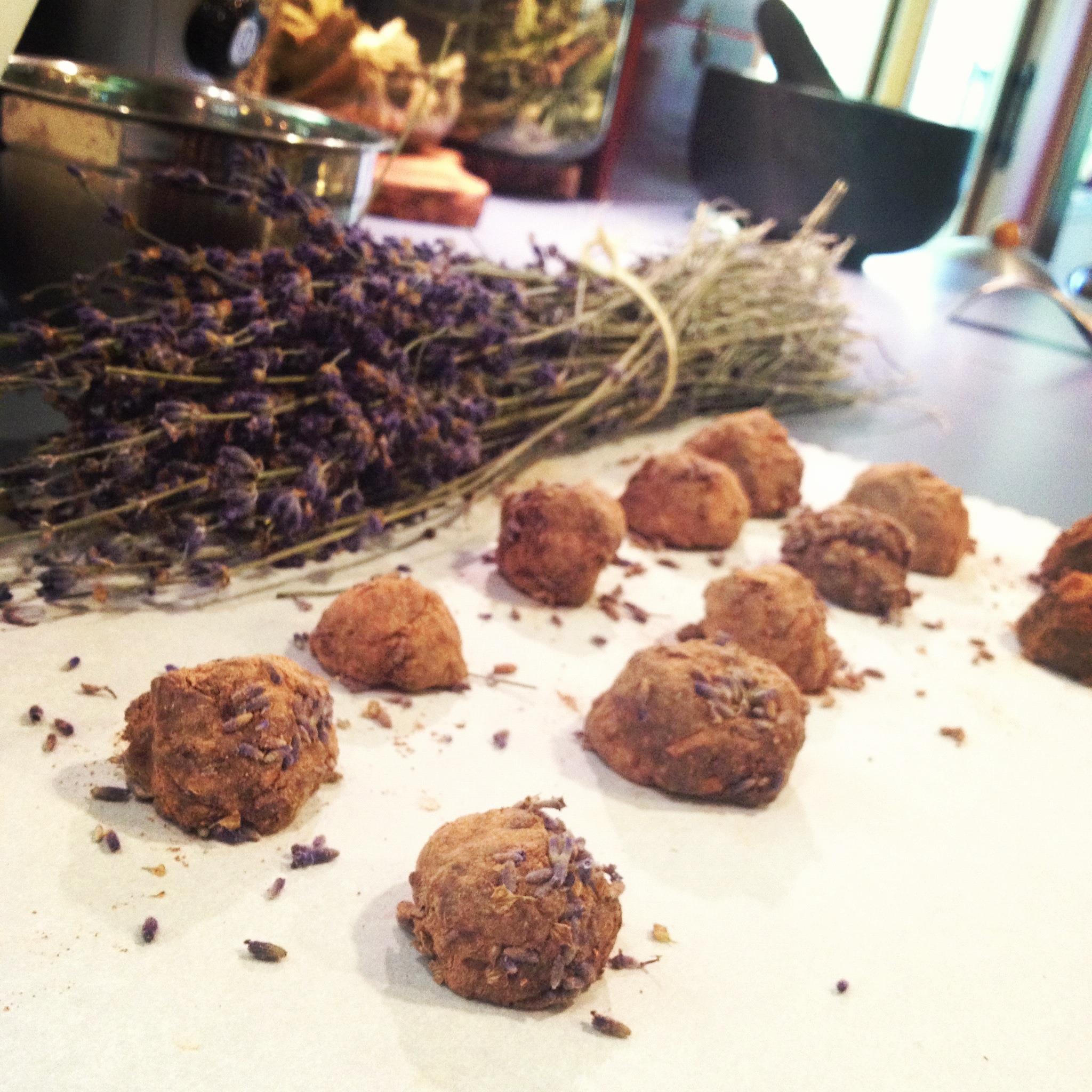
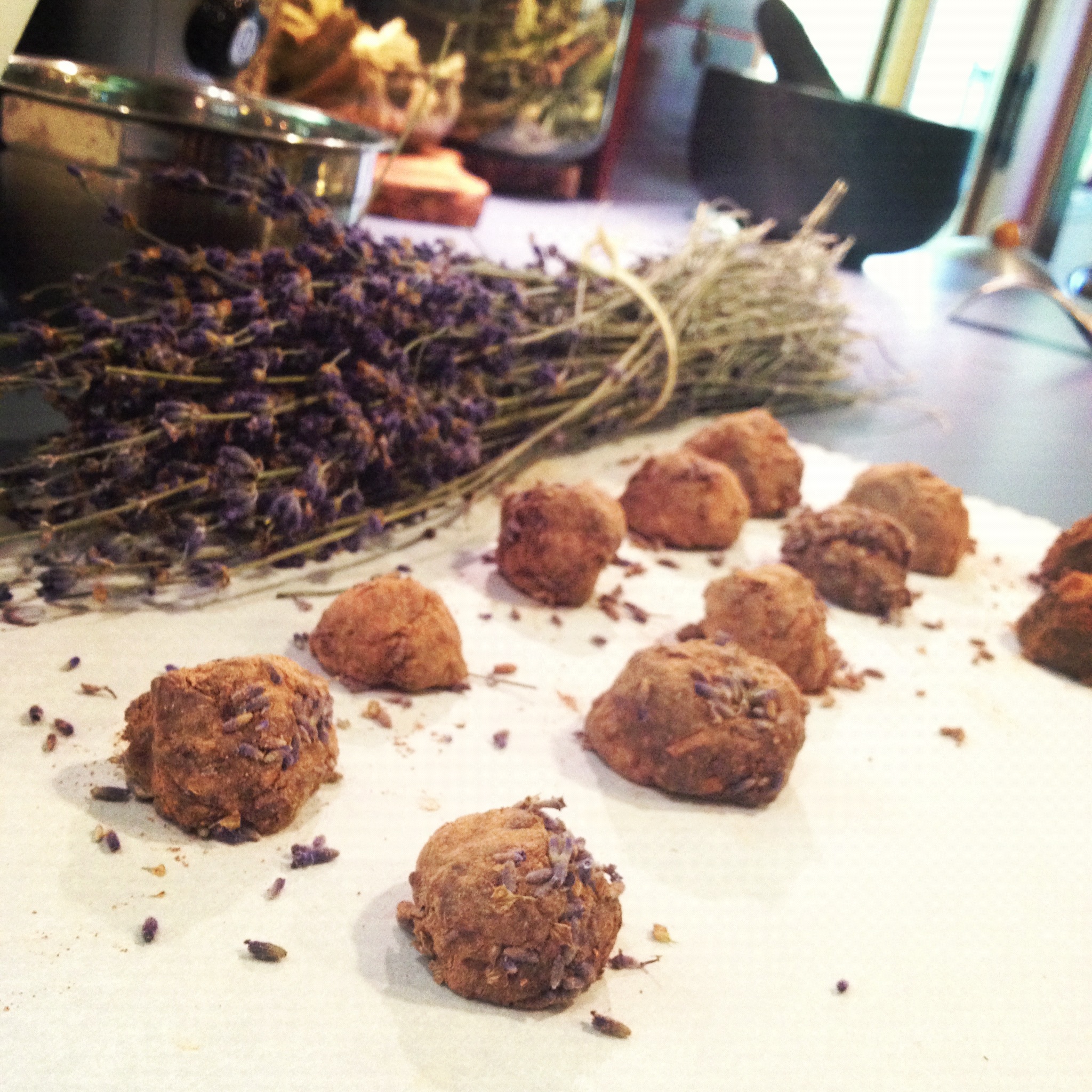
A quick fix for an achy-heart, these herbal truffles use raw cacao, raw coconut, raw honey — are rich in antioxidants and are filled with wonderful aromatic herbs that lighten the spirit. For extra magic, I like to add in my wildcrafted Chaga mushroom {cuz you know, all the cool kids are cooking with Chaga — read my earlier post on Chaga Chai}.

And for medicinal love, the honey can soothe a sore throat and the herbs open the sensorium and even stimulate digestion. So this recipe can be multi-purpose — check out my suggestions for variations on the recipe at the end of this post. I’ve also included an easy list of shopping sources in case you need help procuring the ingredients.

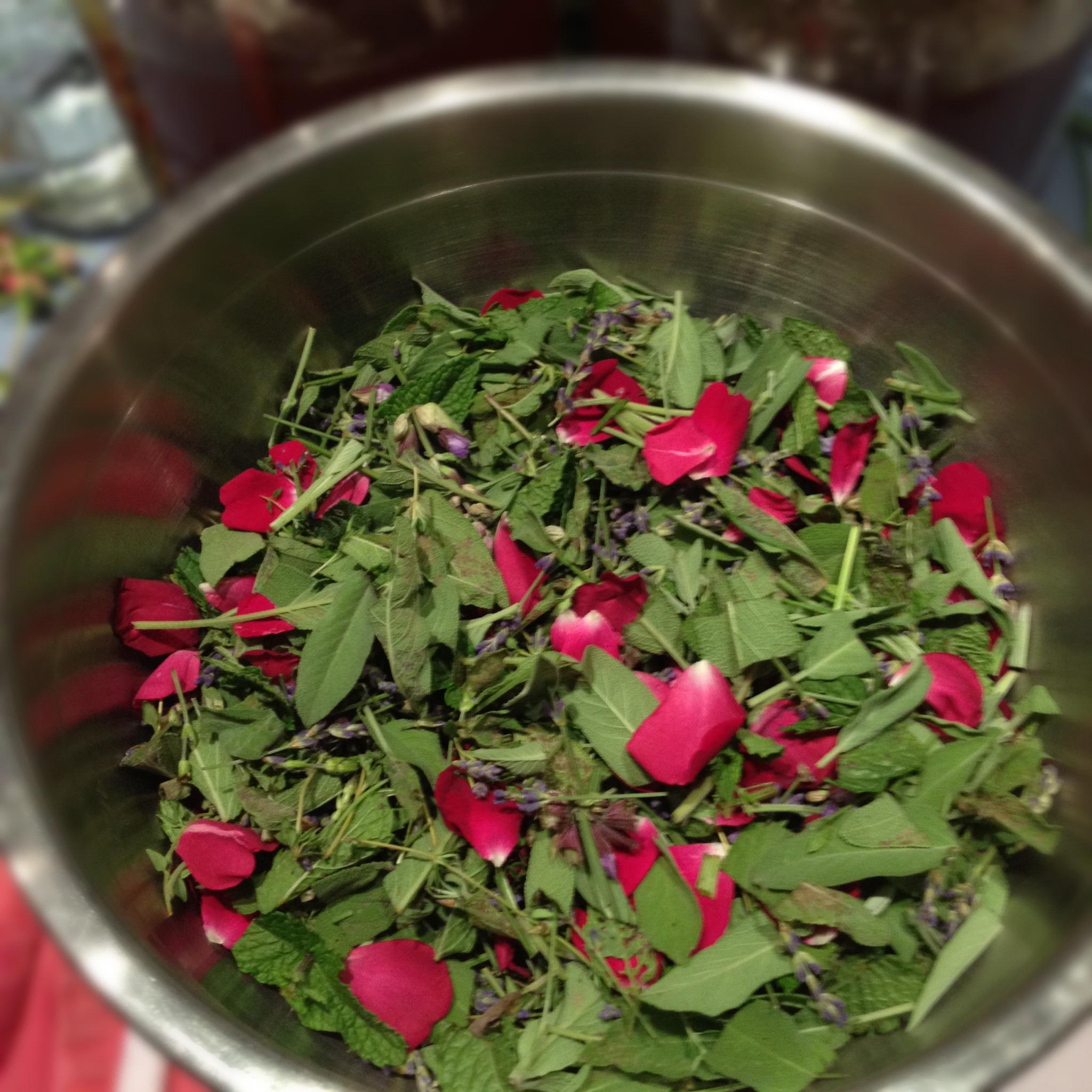
Raw Herbal Truffles

Here’s the short & sweet of it. {Warning: It’s a ISH recipe, meaning if you really, really, really need exact measurements, you won’t get them here. Particularly because 1) That’s how I cook, 2) quantities really depend on preference}.

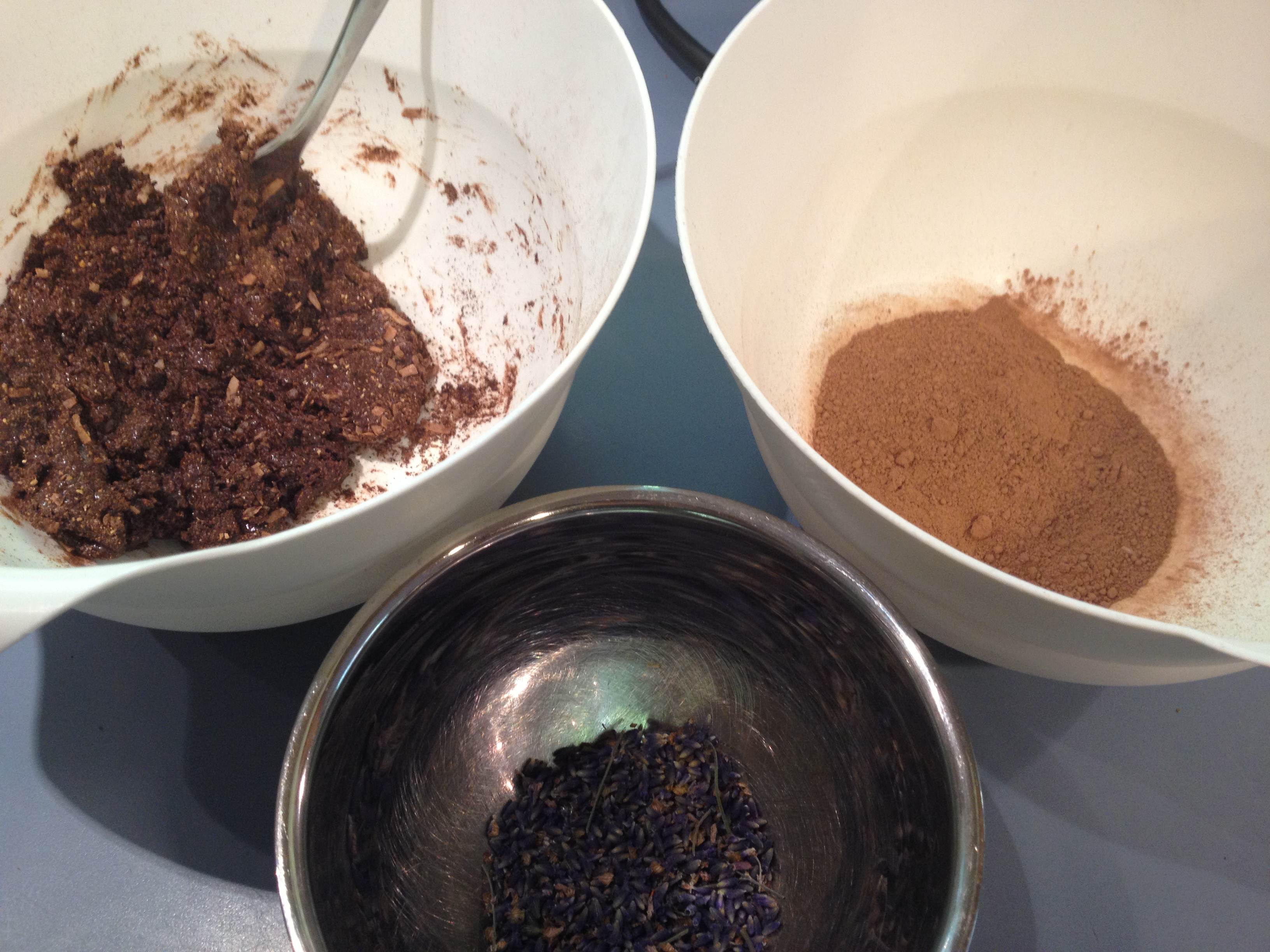
To prepare to make the truffles with minimal mess and stickiness, oil a mixing boil with coconut oil to reduce honey stickiness and have ready a smaller bowl to dust the truffles with additional cacao, sea salt and lavendar flowers. Have a prepared sheet of parchment ready so the truffles may dry.

Pulverize into powder (spice grinder or by hand in a mortar & pestle): 

1 cup Masala Chai Blend

1/2 cup Rose Petals

1/8 cup Lavendar Blossoms

Add to the mixing bowl with: 

1 cup Chaga powder (optional)

1 cup raw Cacao powder

1 cup raw coconut (optional)

1 tsp of sea salt

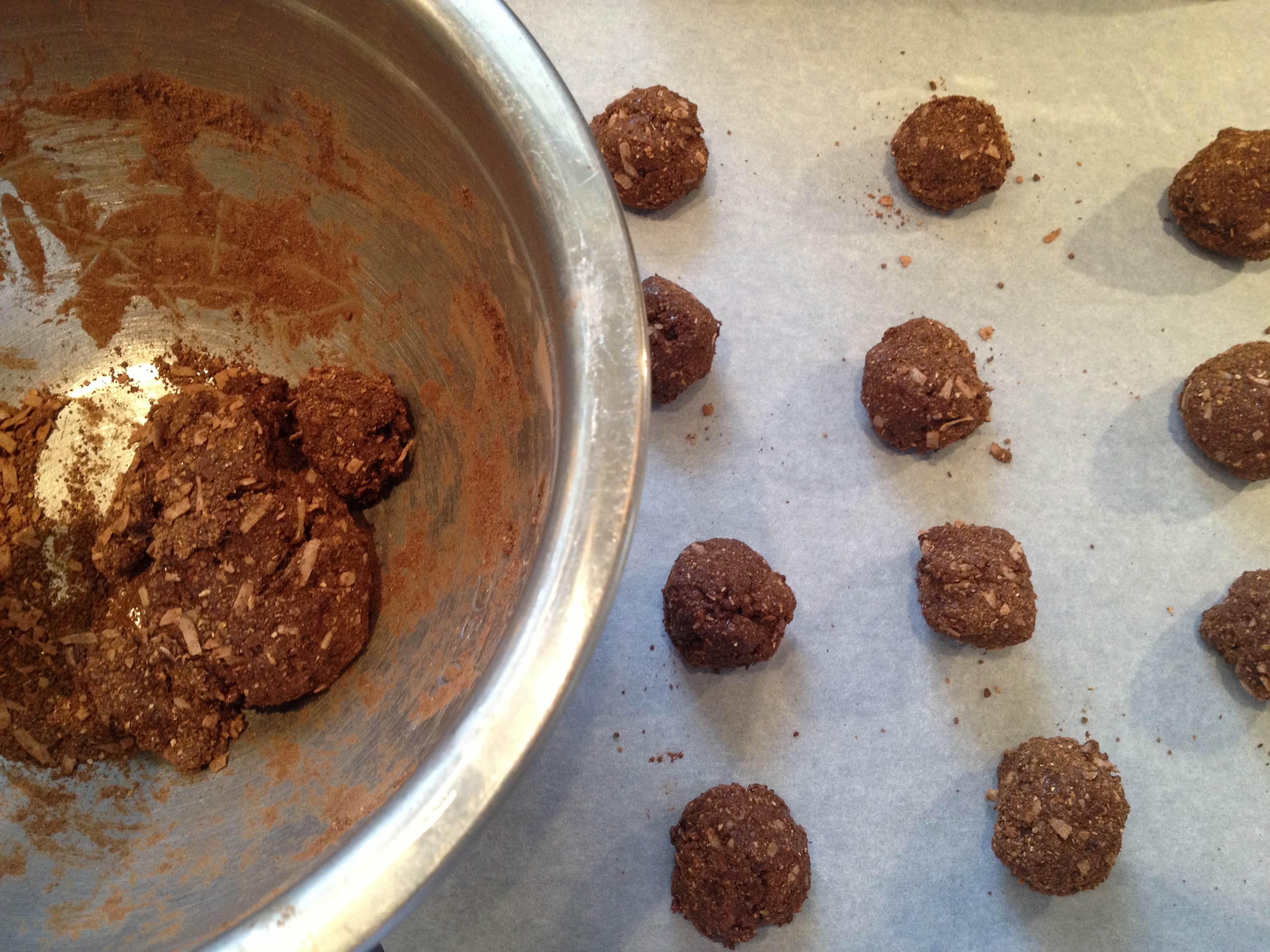
Slowly stir in raw honey until a thick paste is created — stir with a wet spoon or spatula — or for extra theraputics stir with your hands. Not too much, just enough to create a ball consistency. Too much and the truffle will mush, sag, and will be overall just too sticky.

IMG_1128

Roll out each ball by hand, a tablespoon size works for a bite-sized bit. Smaller if you feel the taste is too flavorful. Dust with additional cacao powder, add a sprinkle of sea salt and decorate with lavender flowers.

IMG_3387

The flavors won’t do away with the ills of the world, but they can lift the spirits and offer herbal hope. One bite at a time.

~~~

Alternative recipes: 

Truffles digestif: Add a TBSP of dandelion root, marshmallow root & burdock root to the Masala Blend for grinding. Friend & herbalist Gina Brown adds Triphila powder for an Ayurvedic twist to further aid in digestion. Eat one as a dessert or before a meal.

Throat-coat & sinus truffle: Add marshmallow root (abt 1/3 cup) to the Masala Blend when grinding. Eat one hourly to soothe throat and open sinus.

Easy-peasy Shopping Sources: 

Bulk herbs for masala chai can easily procured online via Mountain Rose Herbs

Bulk chaga powders can be found at Mushroom Harvest

Raw cacao, coconut oil, coconut can be found in bulk at Wilderness Family Naturals

Raw honey (as well as locally grown herbs, which I recommend) sources can be identified at LocalHarvest.org or check out your local farmers market.

For you people in GR:

Spice blends can be procured at Penzey’s, Harvest Health & Elder & Sage

Raw honey can be procured at Siciliano’s as well at the Fulton Street Farmer’s Market


Peace in Silence

227414_4517665973411_1277740600_n (1)

As I look out my window typing this, winter has definitely settled in. Cold sun. Branches icing. Big, fat snowflakes float gently from the sky.

I pause to admire their beauty.  The quiet outside is a reflection of what I am feeling inside – a settling of peace, quiet, and contentment that only a moment of silence could offer. But then, that feeling lasts only a *moment.* The chaos around me whips me back to reality with a start – the phone rings, my dog barks, and my youngest child screams from another room needing my help. Sigh.

“How do I carry that sense of peace and contentment with me throughout the day,” I found myself wondering.

It is a theme I ponder often. How do I live in chaos, uncertainty, surrounded by suffering and *still* remain to be at peace? Peace. Peace is what I want for myself the next year. It would be cliche to say I am hoping for peace on earth. I mean, don’t get me wrong, that would not be a bad thing. But I think if I ever want to hope for a more peaceful world, I need to work on it myself and only hope that others want to join me on this same path.

So come along with me …

To find peace and contentment, I will need to suspend judgement, acknowledge that this moment is all I have – I’ve not been promised another.

I will try to remember that everyone around me is doing the best they can with what they have and I will try to honor the highest in everything they do.

I will look to the sky, the trees, the birds, the insects and to everyone around me and accept that they are already perfect… and also remember that I, too, am already perfect and can stop with the self-judgement to be more [insert blah blah blah here].

And even in a time of being socially networked, I will seek out the silence and quiet. To pause, be still, observe and re-find the joy that is always there in the silence waiting to be experienced.

So come along with me … My hope for you in this new year is that you have peace in your heart, a quiet mind and joy in your song as we embark upon yet another trip around the sun together. Collective peace, quiet and joy would be so awesome, non?

~~~

De-Stress, Rest & Restore

336373_385445078177016_182615023_o

The halls have been decked and gifts have been swapped, and in the midst of what can sometimes seem like holiday hell, hopefully there is a moment or two where you can catch your breath and rest.

Winter’s season, by design, is a time to turn inward, rest and reflect. It’s a time where many set New Year’s Goals and Resolutions and this is a perfect time to ask yourself, “What do you need to keep in your life in the next year to make you thrive? What doesn’t serve you that needs to go? These aren’t the easiest questions to answer, but recognizing that you ~do~ have the power to make your life work for you. And in this time of shoddy economy and global breakdown, if not now, when?

While resting in this quiet, take time and really rest and then you may hear the answers you already know.

Stress & Modern Day Bears 

I daresay that stress is one of the worst contagious illnesses of our time — and it’s absolutely preventable. The impact of this stress on our bodies is the underlying cause of chronic disease and general unhappiness. The fight or flight response to stress can be likened to being chased by a bear (thanks Herbalist Howie Brownstein)– the body’s systems shut down, healing all but stops and panic dominates. And while we aren’t chased by literal bears in our day-to-day activities, our modern day bears come in all forms — email, text, phone calls, CNN streaming in the airport, the 6pm news, the piles of bills on the counter, budgets, busy schedules. And these modern day bears chase us upwards of  80 hours of our week.

Many people feel out of control, unable to manage the day-to-day pressures, especially given the current pressures of the local economy and overall state of global events. LIttle do we realize that we actually have all the power we need to make choices and repair our body’s depleted systems that have been impacted by our daily demanding routine. Part of that power is taking a moment to remember and realize the impact of our choices on our health and then making a conscious shift to a lifestyle that is more supported of our values and nourishing to our lives.

That shift does not, however, happen overnight.  Peeling apart the layers can take time, struggle and dark moments.  But with the courage and determination to restore quality to your world and with the help of some basic guidance of the plants in our natural world, we can heal ourselves from stress.

Revisiting the basics to handle stress

In order to stay strong in the face of stressful situations, as cliché as it may be, we need to remember to rest and to eat. If you can’t change the stress, get more rest and get more sleep to start.

A healthy body eats whole, nutrient dense foods. Of all colors and flavors. And remember: NOURISH with Healthy Fats! Omega 3’s, fatty acids.  The brain and nervous system absolutely need healthy fats to function to the fullest.  Choose foods that are chemical free and local to the extent that your body allows.

Get your ZZZs… SLEEP MORE!  Regular sleep patterns seem to be quite a luxury nowadays, but sadly, this lack of sleep is a contributing factor to weight gain and deprives our body of the desperately needed rest and restore time so it can recover from our demanding wake time.  Many studies are revealing that as a culture we are sleep deprived.  Re-organizing and re-prioritizing our evening schedules is necessary to be able to accommodate about 8 hours of sleep that the average person needs to maintain a healthful body.  Not all people require this amount of sleep, but many do.

How to support a regular sleep schedule? Reduce after-hours activities that include screen time. Late night computer and television use can actually disturb the REM sleep patterns later in the evening. Try to cut off screen time after 9 or 10, and certainly avoid the urge to turn the screens on if you are unable to fall asleep.

Avoid caffeine in the late afternoon and evening. This can affect the body’s ability to fall asleep later at night. Limit alcohol consumption to dinner time.  Having the proverbial nightcap may be a relaxant beverage, but regular, late-night consumption of alcohol can also disturb REM sleep patterns (not to mention, relying on alcohol or other heavy narcotic to support regular sleep can lead to longterm dependency).

AND MOVE during the day!  Restlessness at night can be a sign that you aren’t moving enough during the day. The body needs to MOVE to manage cortisol levels that spike when under stress, and getting in regular exercise can significantly improve sleep habits.  Exercise need not mean a gym membership — it can mean gentle walking, stretching, dancing — anything just to keep the body lithe and circulation flowing.

Get some bodywork! ACUPUNCTURE, BODYWORK & MEDITATION: For those folks who travel internationally across timezones or those working night and swing shifts, this can mean a regularly disrupted sleep pattern that can last for days on end.  Consider supporting these work transitions with regular treatments of acupuncture.

Other regular bodywork treatments like massage, cranial sacral and acupressure can relax the body and help release tension that builds up because of the stress response. Additionally, adding in a mindfulness practice such as meditation or guided imagery can help break the patterns of circular thinking and can support an unloading of the day’s proverbial baggage, leaving space to rest and restore.   

Starner’s go-to herbs for Peace in Chaos

Herbs are our allies to help us move toward a life of making choices that serve us to lead brighter lives. The herbs ~cannot~ be a substitute for making those choices. That is our responsibility and we all have the power to do what needs to be done — they are here to support that. Here’s my fave short list of herbs that I love to have on hand to support the nervous system as we try to manage stress in our lives.

Reduce anxiety, improve clarity with AROMATICS. Rose, Geranium, Mints, Lavender, Lemon Balm, Bee Balm, Oregano, Basil — all these herbs have aromatic oils that can be uplifting and can provide clarity in times of stress. They can be sought out as teas to sip (the ritual of making tea in and of itself is calming) or as essential oils to vaporize in a room (or cupped in your hand) or added into a carrier oil for massage (remember those foot baths!).

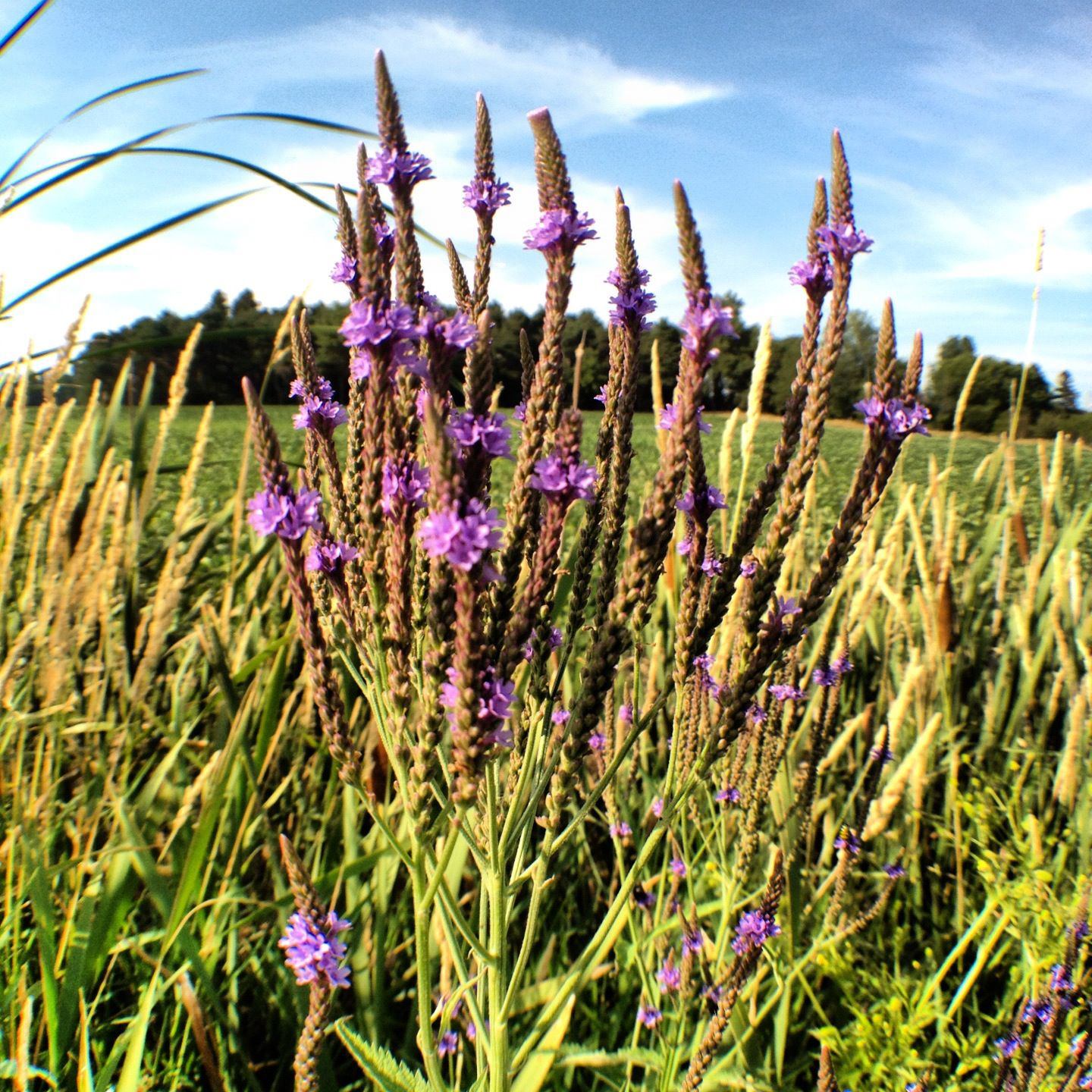
Bliss out your stressed state with RELAXANTS & CALMATIVES (aka Nervines) and alive anxiety, restlessness. Chamomile (also aromatic and helpful to relieve stomach upset), Lemon Balm, Raspberry leaf, Spearmint, Catnip, Rose, Blue Vervain, Passionflower, Skullcap, St. John’s Wort.  All can be used as tea, or tincture, and some can be used extracted into oils for massage… Experiment a bit! For circular thinking — I like Passionflower, Wood Betony, Blue Vervain.

Help get better sleep with SEDATIVES. Hops, Kava Kava (gives me the giggles), Valerian (can sure calm spasm, quell anxiety and induce sleep in most people, and can agitate a select few– test it out first).

Build back up your nervous system with nourishing NERVINE TONICS. Herbs that can actually restore tone to the central nervous system used over time include Milky Oats (Avena Sativa), Nettle, Passionflower, Skullcap. There are others, but those are a few favorites (and toning needs to be done with lifestyle change).

What’s the correlation to stress and digestion? In times of stress, the body slows the digestive process and this can inhibit the proper uptake of core nutrients leading to a different sort of malnutrition. BITTERS are a MUST for helping stagnant digestion that is symptomatic of excess stress.  BItters ~should~ be had as food and a main staple in our diets (think dandelion leaves, Romaine lettuce, fennel, Chamomile tea) but they can also be integrated into our diets as classic digestifs (such as commercial Campari or Angostura) or tinctured bitters (I hand make my own bitters with a variety of herbs such as Orange Peel, Cinnamon, Aspen Bark, Fennel, etc). If there extreme digestive deficiency and there is ulcer, etc., more must be done with diet and herbs that can support the mucosa to heal should be introduced (marshmallow, slippery elm, etc).

~~~

Remember that everyone’s path (and constitutions) are different, so herbs that work for one may not be suited for another.  And the *right* herbs that are good for you now in this moment may not be the herb you need later down the road. Be open to this and if you want to talk more about what might be right for your constitution, schedule a time to talk with me about your needs.

Links:

Great Lakes Herbalist jim McDonald on Bitters 

Fascinating article on our culture of pill popping for stress: New York Magazine “Listening to Xanax” (2012)

¡Eheu! (El Canto Errante) ~ Rúben Dario

IMG_0734

 On my way out of the country I picked up a copy of Ruben Dario’s poems in the Managua airport, hoping his modernist/romantic style would help me through the sense~making of travel in such a beguiling country. Having been in love with several of Dario’s other pieces, it was ¡Eheu! (El Canto Errante) that I felt flow through me as the plane departed and headed for the States, leaving behind many amazing people and experiences. I just wanted to share, hoping that you might like it.

¡Eheu! (El Canto Errante)

~ Rúben Dario 

Here, beside the Latin sea,

I speak the truth:

I sense my antiquity

in the rocks, the oil, the wine.

How ancient I am, dear God,

how ancient I am!

Where has my song come from?

And where am I going?

The cost of knowing my own self

is the long moments of profound despair

and the how and the when–

And this Latin clarity,

what use is it here

at the entrance to the mine

of the me and the not-me?

I am a student of the clouds,

I think I can interpret

the confidences of the wind,

the earth and the sea–

IMG_0596

A few vague confidences

about being and non-being,

and fragments of awareness

from today and yesterday.

I stopped and cried out,

as if in the midst of a desert,

and I thought the sun was dead,

and burst into tears.

IMG_0718

Recalibrating

Image

I took a walk through the fields and in the woods this morning in one of my most favorite areas in GR– the gravel pits and down by the Grand River in and around Johnson/Millenium Park.

Not only did this help re-root my person back to my own land after being away in Nicaragua for the past few weeks, but it also gave me a chance to stop and say hello to some of my favorite plants as they move into winter’s hibernation.

I recommend getting out in all seasons, if you want to work with plants. It’s good for both an herbal practice and for the heart– even on those cold mornings (and remember, there’s never the wrong weather, only the wrong clothing).