“Rampant” Overharvesting: Digging Too Deep for Wild Leeks
 

11041582_837601799628006_612991772795604945_n
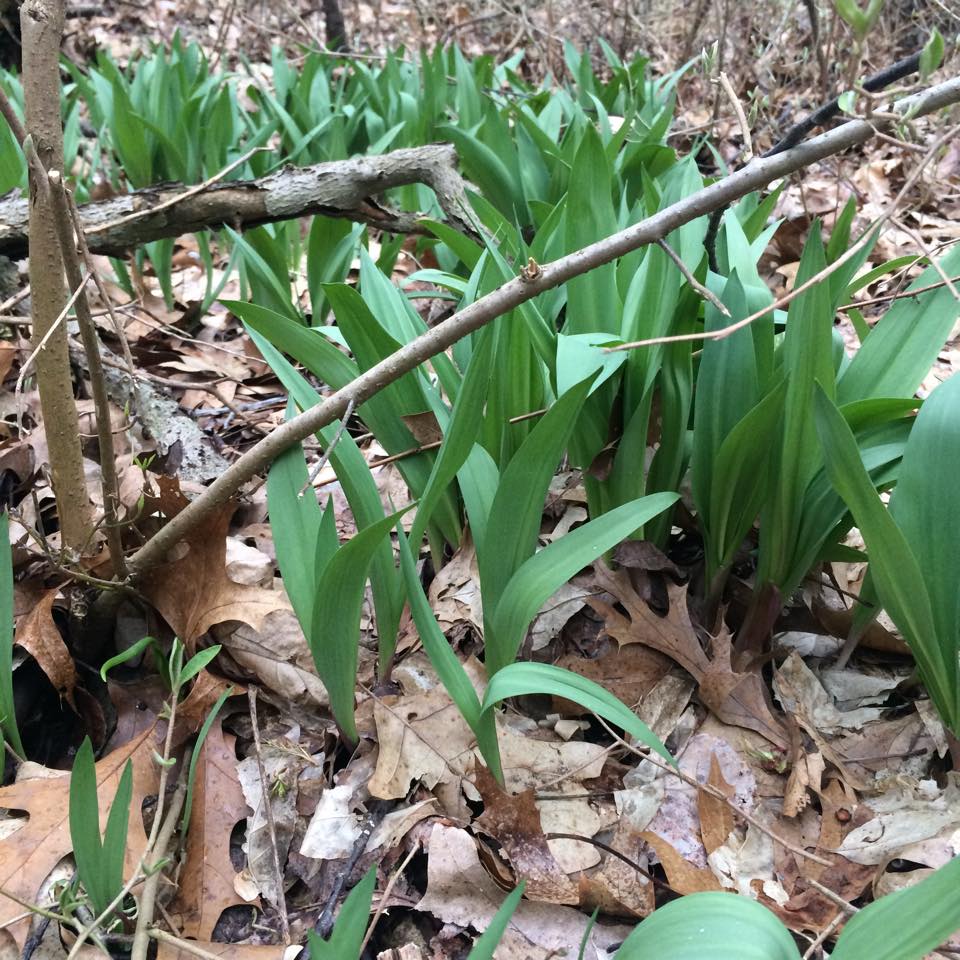
Wild leeks (Allium tricoccum) are an early spring delicacy for foragers. Clip the top greens only for sustainable harvesting.

An early spring ephemeral, the wild leek—or ramps—is an aromatic, delicious wild onion. The bulb sweetens when roasted, pickles well for martinis, and has tops that are delicious as garnish or incorporated into a spring salad.

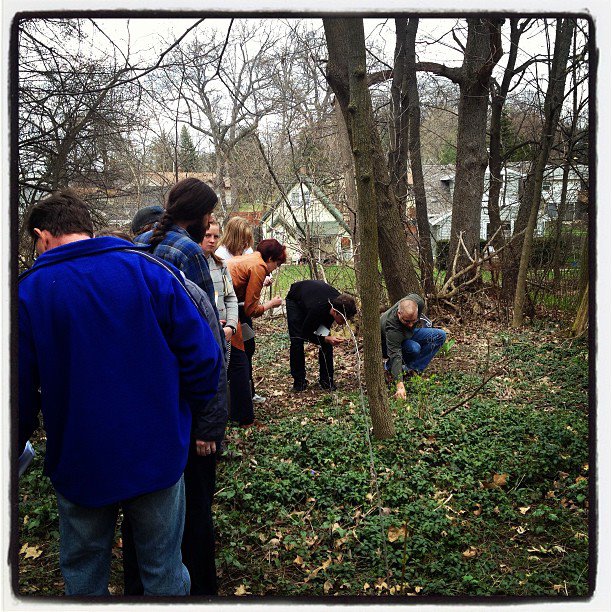
While they may seem to carpet the floor of the woods in the spring, there is growing concern for overharvesting wild leeks for the restaurant market and by hobby foragers. 

Regionally, wild leeks are distributed as far east as New York State and through Canada, west into the forests of Wisconsin and Minnesota, and south into Appalachia. Wild leeks are plentiful in the well-drained soil of beech and maple hardwood forests along rivers and on the back dunes along the Great Lakes shoreline. The broad leaves of the wild leek are frequently found alongside unfolding mayapples and trout lily.

Recently, the wild leek (Allium tricoccum) has been the forager’s darling, showing up on menus and in farmers’ markets. This increase in popularity is putting pressure on the wild leek population along the East Coast and has the potential to do so in the Midwest. It takes about three years for a seed to develop into a mature leek ready for harvest—a long time!

It takes about 18 months for a ramp seed to germinate, and another two years for that seed to grow into a small bulb** that sprouts two broad, smooth leaves of about 6 to 8 inches in length and 2 to 3 inches across. A sizable, mature bulb should be at least 3 years old or more.  In midsummer, the plant sends up a flower stalk with a white flower cluster which then bears small, round 1/8-inch seeds.

But harvest with care: recent popularity has threatened it.

The bulbs can be easily dug with a garden fork, but only harvest the full plant in moderation. The most sustainable way to enjoy the wild leek is to only clip the tops for use in cooking. Take time to first learn the distribution of leeks in the area before harvesting, and chose to harvest tops only.

Transplanting wild bulbs within the wild can help expand stands of the plant. Also, local growers are beginning to propagate the wild leeks for private forest gardens, making this a sustainable option for the forager wishing to enjoy the bulbs in the early spring.

I won’t lie: I really love ramps. But unless we take some pressure off of the wild plant populations, we will ensure their demise. Helping ensure a good foraging ethic is an important part of cultivating a sustainable local food system.

To that end, cultivate your own stands of wild leeks to ensure a small harvest each year.  Be sure to inquire at markets and at restaurants as to the forager’s sourcing and practices in gathering the wild leeks. In doing so, you can enjoy this delicious spring vegetable and help ensure patches of leeks in the wild can also be enjoyed by future generations.

For a more information on sustainable harvesting of wild leeks, view this recent article in Epicurious.

The wild leek is a early spring bulb that is markedly oniony in both flavor and scent. This early spring food could easily be mistaken with the false hellebore and lily of the valley, both of which are poisonous and neither of which smells or tastes like onion. If in doubt, scratch and sniff.
Think Little This Earth Day

10537013_834015579986628_2434388156797546331_n
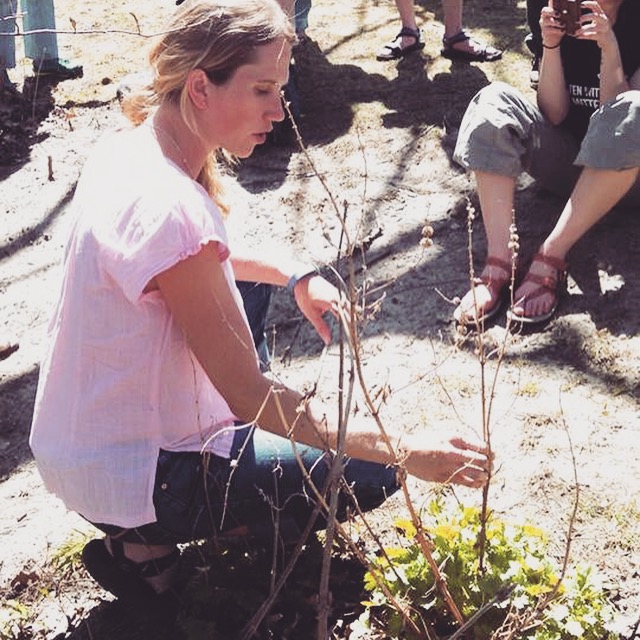
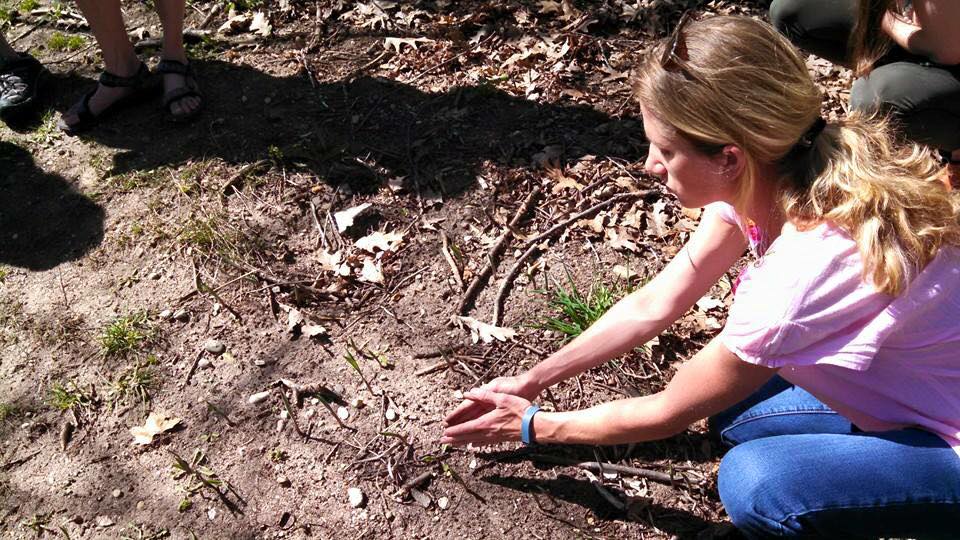
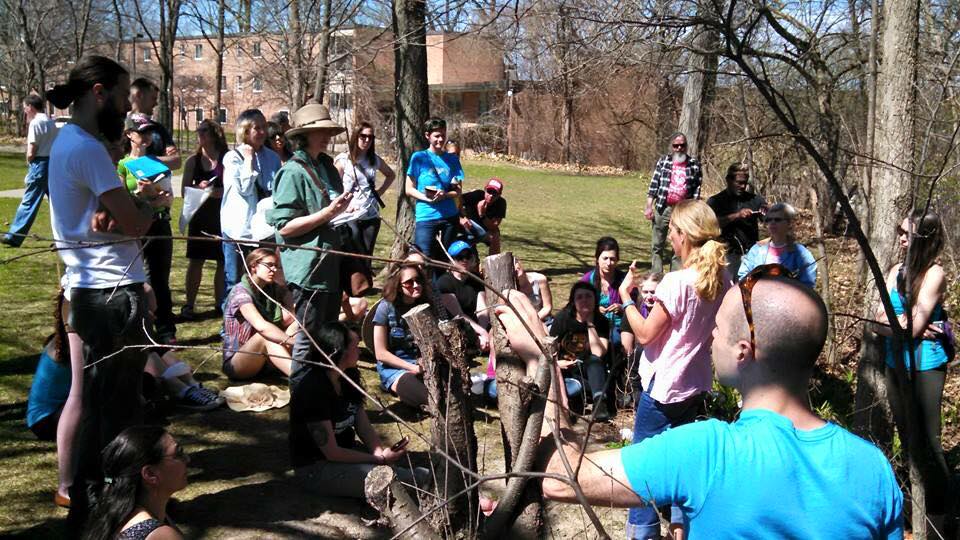
Pointing out the small spring shoots of Solomon’s Seal.

In the spirit of Earth Day, I think of the small actions and the power each of us has to effect positive change on the Earth, its land and all its inhabitants. Sometimes the problems we face as a planet and species seems insurmountable, but deep down, I truly believe we each have the power to make change.

Question is, where to start? We need to start with ourselves. Being open to see our relationship with the world and how we view the resources around us. How can we live more in tandem with the cycles of nature – in business, at home, in our personal lives. Can we be honest with ourselves, asking truly how do our actions impact others across the Earth? These are tough and uncomfortable questions.

I am not perfect and enjoy many creature comforts life affords me in the realm in which I live. But I do need to ask – how can I be a better steward of all I have to support me in my life? How can I do more with less? How can I listen to the Earth and better mimic the cycles of rest, growth, death and regeneration?

11113629_834015486653304_1118546235925267796_n
I am seeing a growing groundswell of interest in learning the wild, edible plants.

I know I am not alone in asking these questions. It pleases me that more and more people are paying attention to these questions – questions that aren’t new, but are absolutely still relevant. When 40 people show up to my wild edibles classes, I start to realize that just like the growth of the local food movement, there is a growing groundswell of interest in the bigger picture of the natural world around us.

I offer inspiration from an essay by Wendell Berry called “Think Little” (from A Continuous Harmony: Essays Cultural & Agricultural reprinted in the Whole Earth Catalog, 1969).

“If we are to hope to correct our abuses of each other and of other races and of our land, and if our effort to correct these abuses is to be more than a political fad that will in the long run be only another form of abuse, then we are going to have to go far beyond public protest and political action. We are going to have to rebuild the substance and the integrity of private life in this country. We are going to have to gather up the fragments of knowledge and responsibility that we have parceled out to the bureaus and the corporations and the specialists, and we are going to have to put those fragments back together again in our own minds and in our families and households and neighborhoods. We need better government, no doubt about it. But we also need better minds, better friendships, better marriages, better communities. We need persons and households that do not have to wait upon organizations, but can make necessary changes in themselves, on their own.” ~Wendell Berry, 1969

IMG_2137
Sharing love for Motherwort.

I teach about wild plants and their role in our lives because its a forum that helps me better understand both myself and the place in which I live. Studying both plants and their ecosystems are models that can show me how to live a truly rich life. If I pay attention.

We are realizing that the answers we seek are already around us. If we pay attention. If we take action.


*photos by Megan Smith. 2015

The Roots of My Practice

IMG_1873
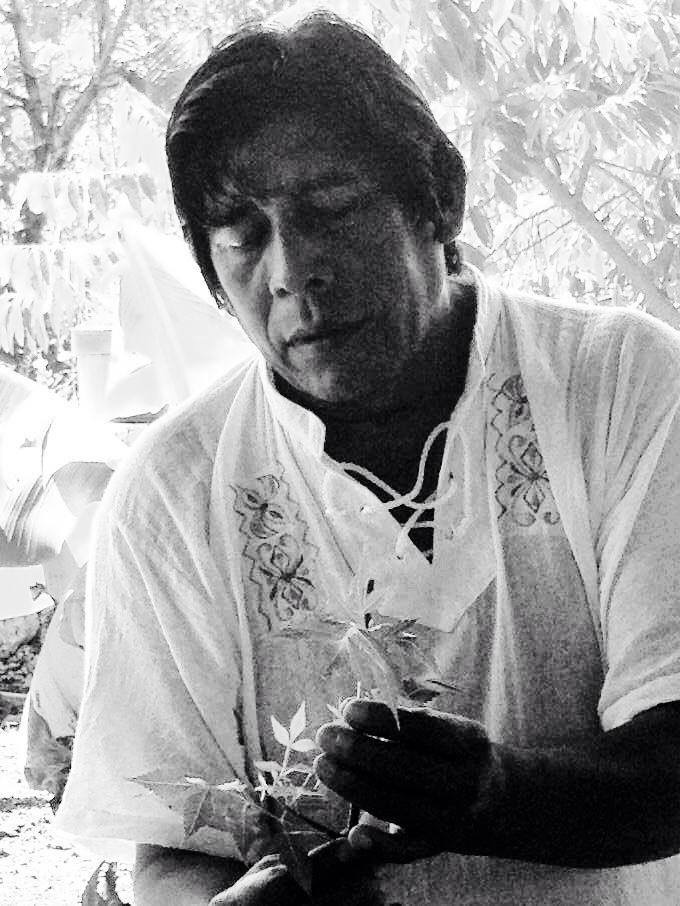
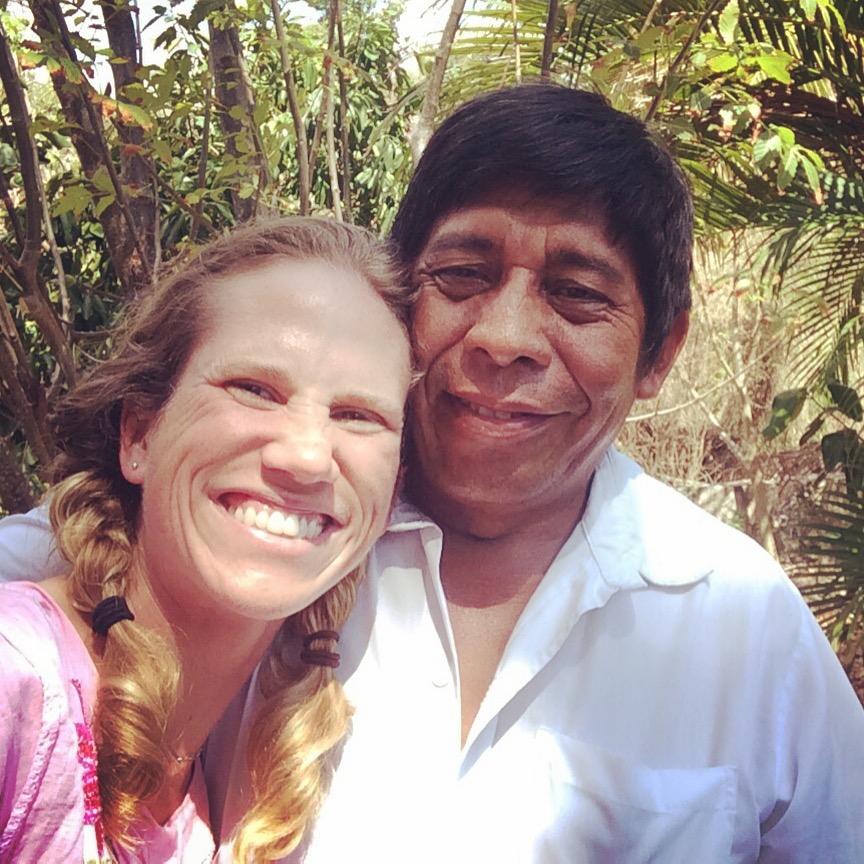
Maya healer and wonderful friend, Don Daniel Pool-pech. Tulum, MX

“If you don’t do the work of the heart, then you will always have pain.” ~ Don Daniel, Maya plant friend in Tulum MX, 2015.

I traveled to Tulum first in 2009, the first of what began as many trips to the Yucatan and the beginning of a love affair with such a magical place.  It was on that trip that I met an herbalist from Colorado – Shelley Torgrove where she introduced me to her Maya teacher and plant healer, Don Daniel Poolpech.

IMG_1877
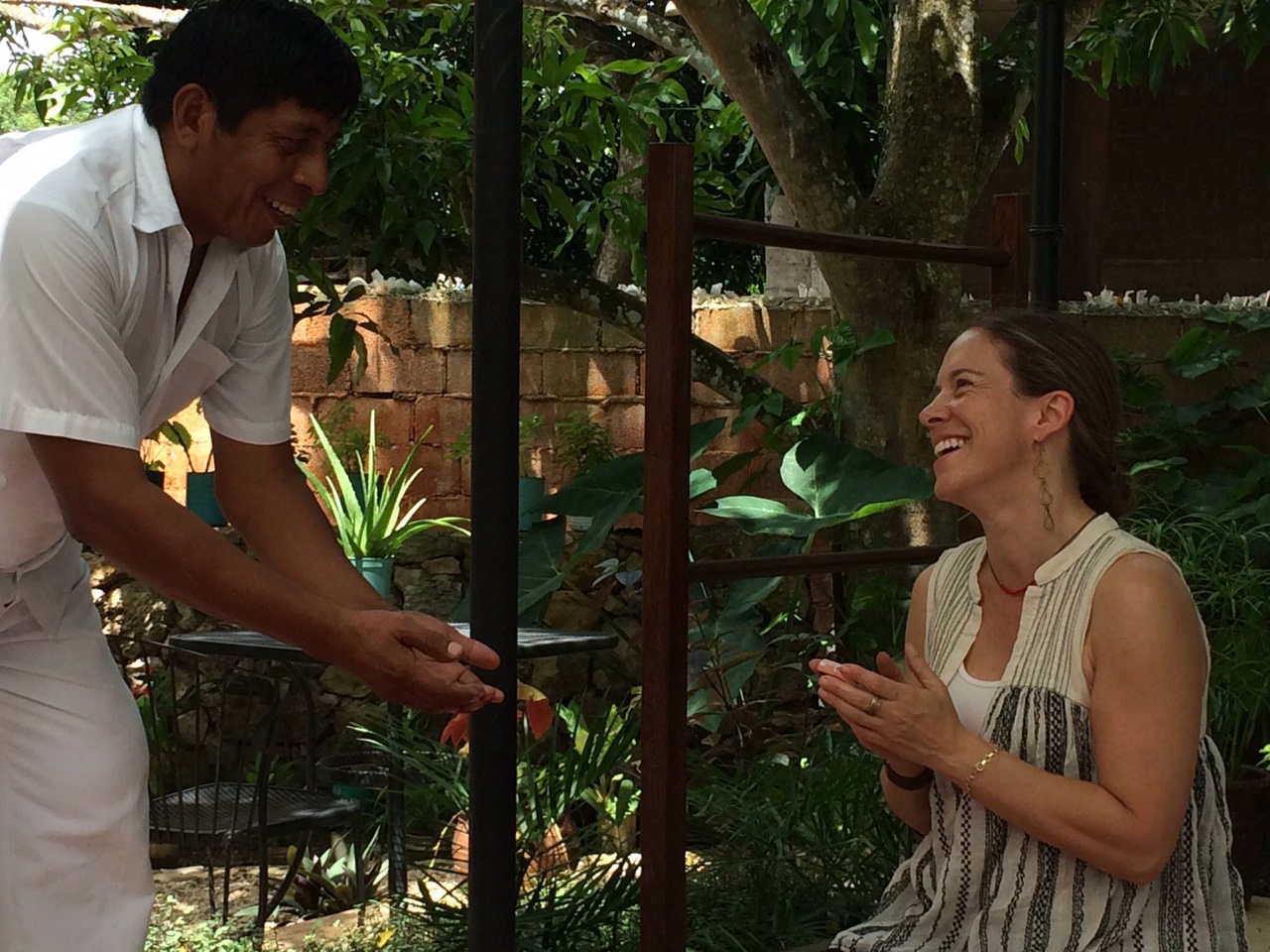
Don Daniel and Shelley Torgrove, Tulum MX.


At the time of that trip, I was between “careers” … I had recently left my work as the director of our local nature center, which included leaving the small nonprofit I had founded called Mixed Greens (we created school gardens to teach nutrition education programming to urban schoolkids). I had no idea what I wanted to do. I was doing some food systems consulting, but that wasn’t tugging at my heart-strings. My children were little, then-husband commuting to Ghana (yes, Africa) and I was needed at home. NGO work had burned me out, having babies had sucked me dry — I was fried. And I was only turning 30.

I remember telling a farmer friend of mine I was so tired that I couldn’t even bother clearing away the leaves from my garden. His reply – maybe you shouldn’t. Maybe you should sit and listen to the plants. In Tulum – and upon meeting Shelley – I said out loud, “I want to work with plants as an herbalist” (even though I had no idea what that even meant – and still don’t haha). I just ~knew~ that being an herbalist was my calling.

Don Daniel, seeing how anxious I was (about everything) gave me blessings and a strong sedative tea. He told me (in Spanish) to drink it, as it’d help heal my stomach, clear my head and open my heart. Then he sent me back north to begin my path as an herbalist…

IMG_1975
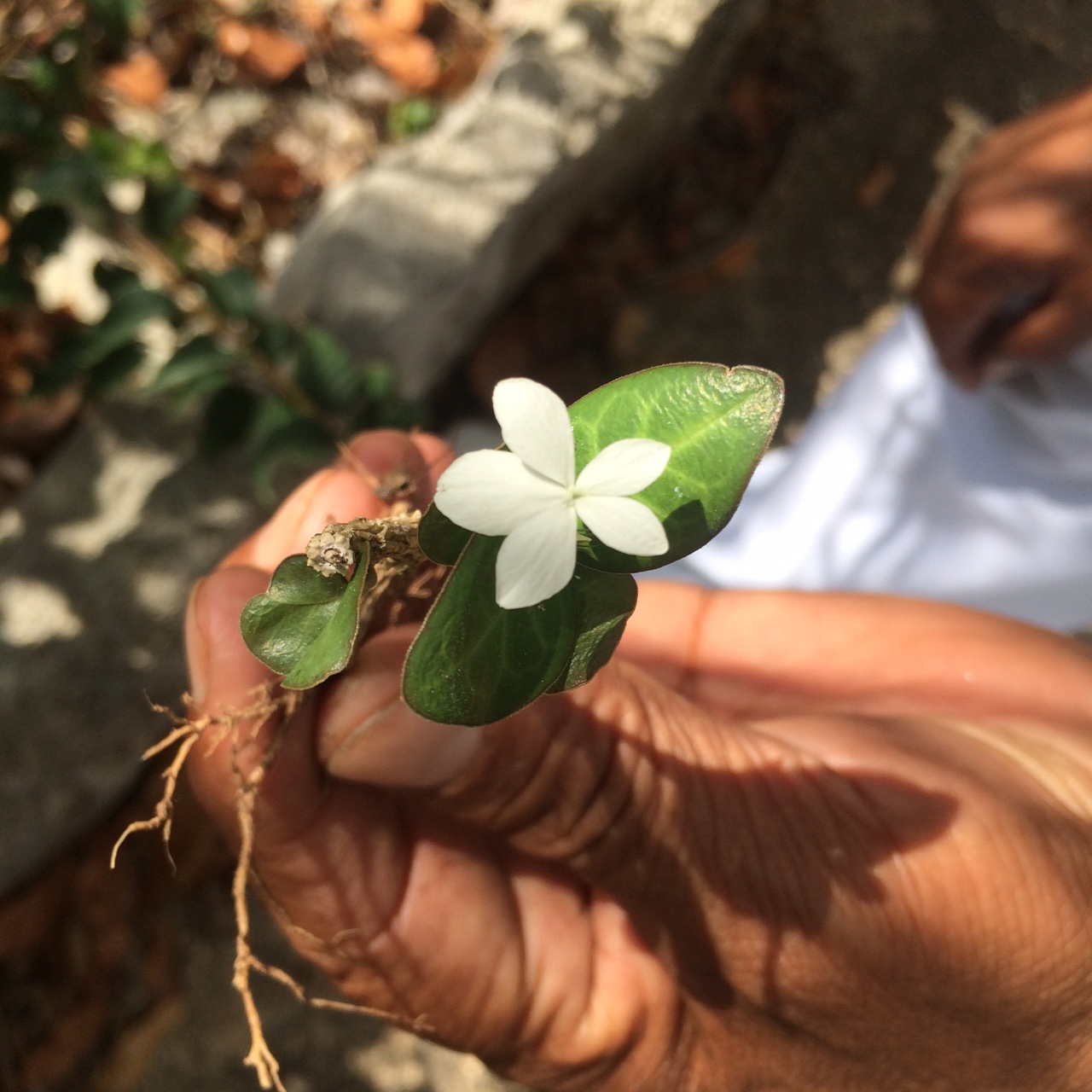
Vinca blanca, an ingredient for my tea from the garden of Don Daniel in Tulum, MX.

Now 2015, I went to him with gratitude and humility and prayers for clarity and strength as I begin this next chapter in my life.

Don Daniel took me into his garden to harvest plants for my medicines and taught me their names. I dried the plants in my window of my rental car, as an impromptu solar dryer. Plant medicines for my own healing, to carry with me as I head back north to continue along the path.  Hopeful. Softer. Less anxious. Focused. And free. There’s healing power inherent in gathering your own medicines.

IMG_1876
My visit with Don Daniel in 2015

My plan is to return to Tulum within the year with my own students, to introduce people to the culture, food and herbal traditions of the Yucatan. We will stay in Tulum with locals, ride bikes, swim at the beach, dive into cenotes, eat nourishing foods and learn a bit from Don Daniel’s ways of Maya healing. It will be adventure of rest, renewal and growth. Look for an invitation soon to join me on a trip in May of 2016.

For now, I am partnering with Shelley on a fall excursion in Maya healing with Don Daniel. Interested? Take a look at Shelley’s website, Artemisia & Rue for the October 2015 excursion. We’d love to have you join us.

A Herbalist’s Pilgrimage to Tulum

IMG_1756
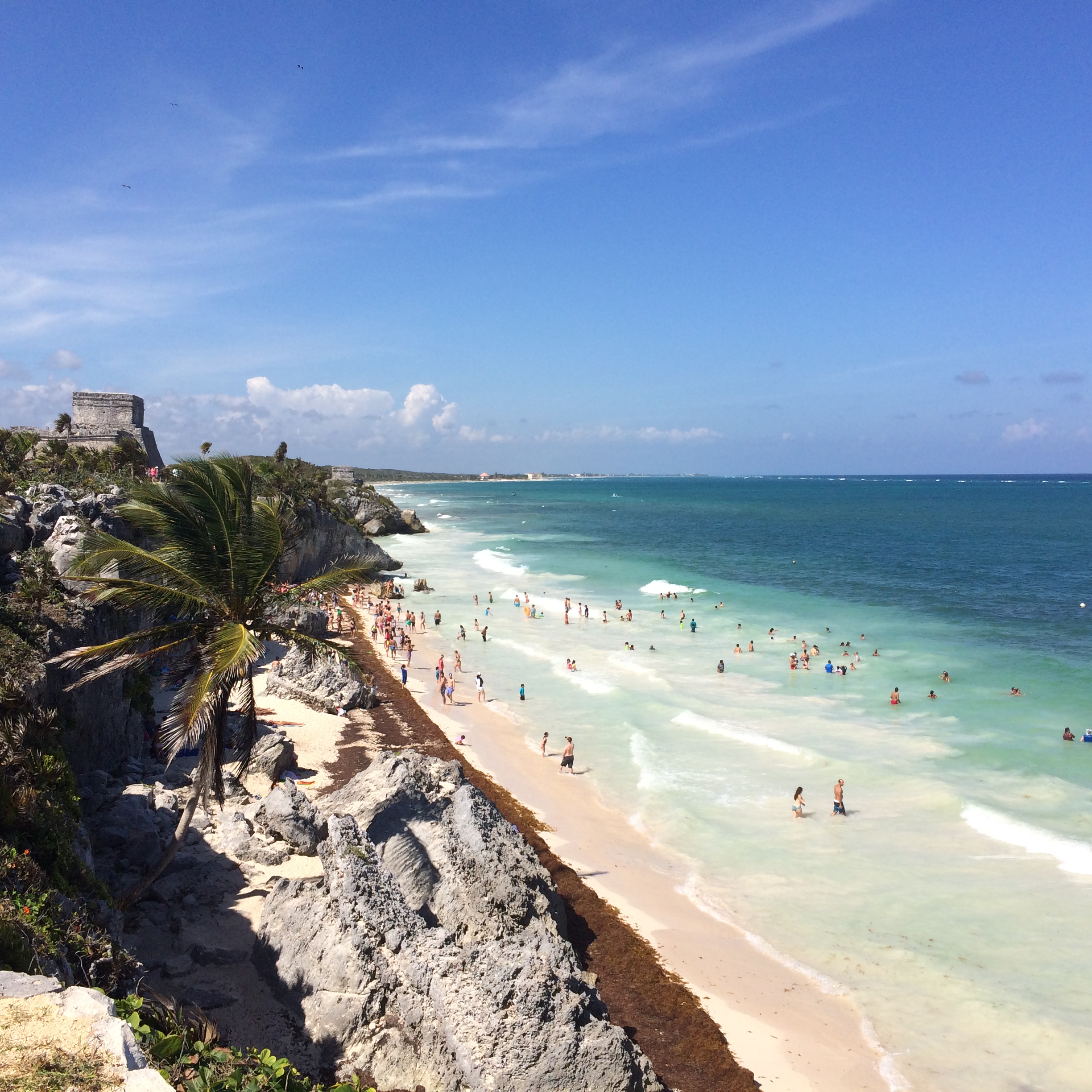
The Ruins of Tulum, MX 2015

Tulum has always held a special place in my heart. My first visit was in 2009 and I instantly fell in love with her people, ruins, beaches, city and plants.

Since that time I’ve made many visits around the Yucatan – Merida, Valladolid – all lovely places with unique personality. So in choosing all places to visit again, I chose Tulum.

IMG_1559
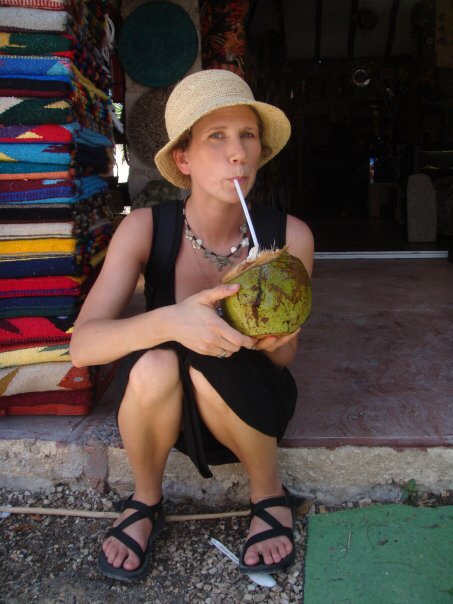
Sipping coco frios at the Ruins. Tulum 2009

This trip to Tulum was special. I was alone, with dictionary in hand. Sort of a soul-searching trip with not much on the books save for rest, eating, beach and plant study with my Maya friend and teacher Don Daniel.

I came down here again to recognize my own transformation over the years and the beauty of growing into my skin – despite all the heartache and pain of moving through that ever changing life of our’s. I needed to be able to document it for me as a reminder that life molds us like clay. And that we are shaped by so many people and experiences and not to push away any of it but embrace it. Pull it closer.

IMG_1798
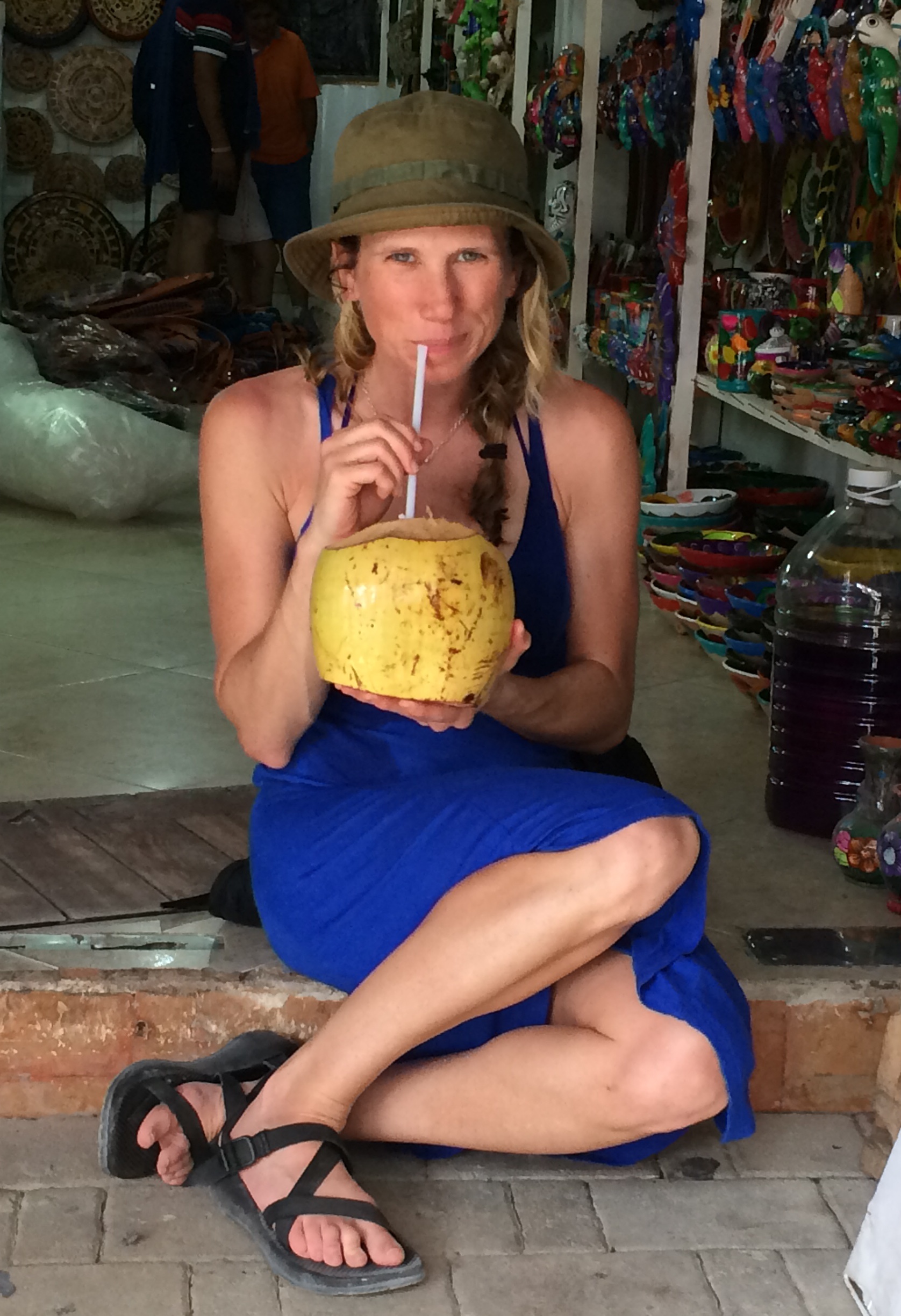
Same place. Same Chacos. Older, wiser (up for debate). Definitely softer and open to new beginnings. Tulum 2015

I needed to see for myself that I didn’t push any of it away- but rather embraced the challenges over the past years, survived and am vital and full of life. No matter how painful it is to go into the darkness, dig deep and find the source of what really makes “us.” Put those roots deeper into the earth. Add water. Soil. Sun. Grow.

Appropriately enough, Tulum in Maya is translated as New Beginnings.

I traveled to the ocean to wash away the detritus of the past few years with the salt water beneath the ruins. To release myself from the strangling anxiety and to be open to new experiences for the future, to reconnect with the plants that first called me to be an herbalist.

To find rest and renewal and encouragement, to dig deep and be courageous to “live in the not knowing” – as Don Draper would say.

To be free.

IMG_2024 (1)
Sometimes, you get the signs you need. In English. Tulum, MX 2015

Travel & The Forager

IMG_1483

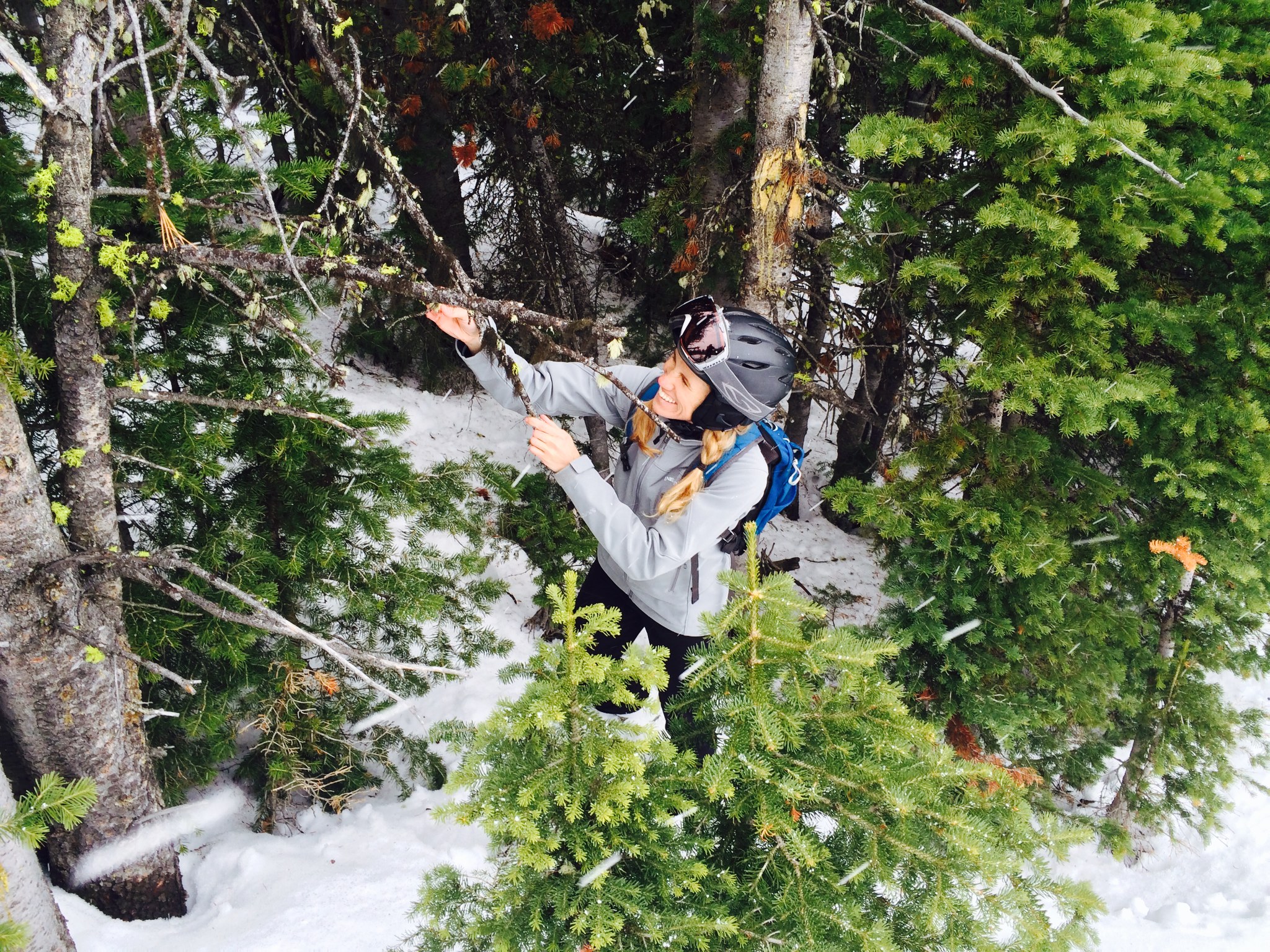
Last month, I turned a spring ski session into a usnea harvest outing while in the mountains of Montana. If I am in a new area, or bioregion with plants different than the ones from my own homeland, you can be sure I am out learning plants and gathering those I know and that are useful in my apothecary.

Traveling gives me a unique perspective as a forager and herbalist. It allows me to gather medicines I don’t have immediate to my neighborhood (once of course I have firm bearings on the plant’s distribution and a potential gathering site), and it helps me appreciate the uniqueness of the land of both where I am visiting and where I live. AND it gives me a reason to seek out local, regional plant guides!

IMG_1466


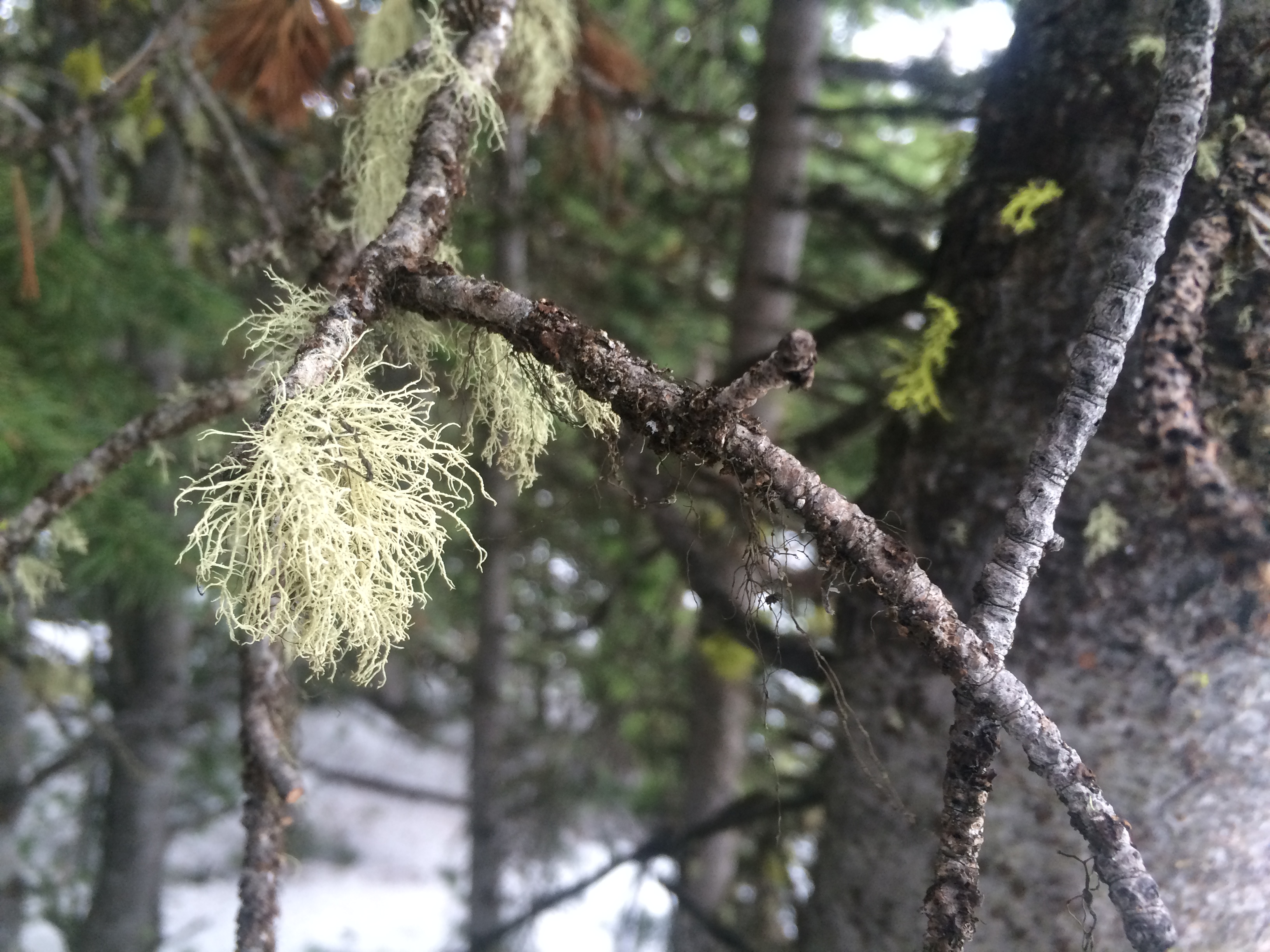
Usnea species or Old Man’s Beard grows prolifically in Northern Michigan and across alpine regions of the Midwest, across the Rockies and beyond. It’s a common lichen and useful in the apothecary as a tincture for infections in combination with herbs like echinacea. I gathered this usnea to compare it to the usnea local to my bioregion to see how they may differ in flavor and depth.

IMG_1509

Spring Break Fun: Junior Forager Adventures

462046_327868367268021_1850598658_o
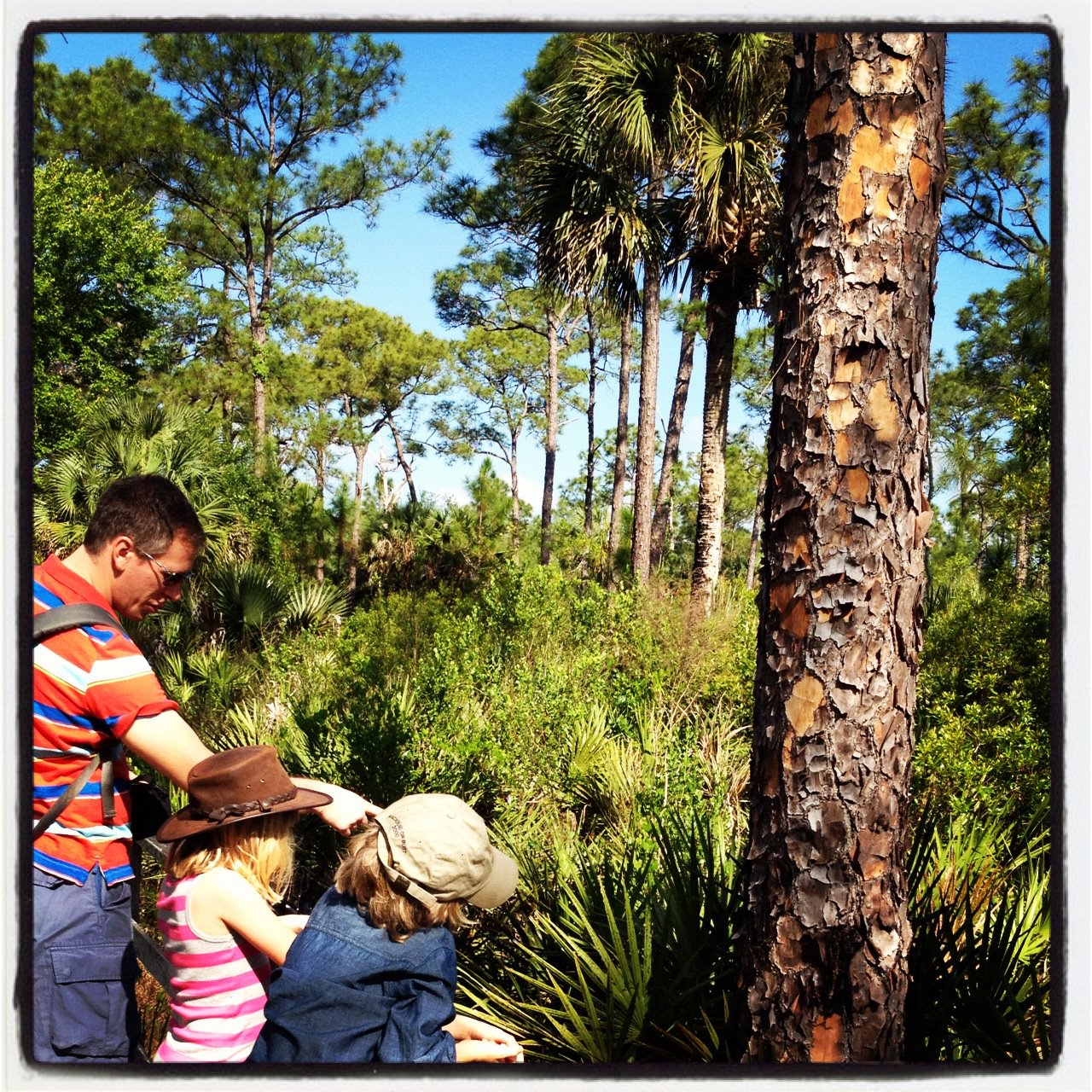
The Starner kids learning a bit of botany in the Corkscrew Swamp Sanctuary in Naples, Florida.


Spring break is a time to load the car and head South to warmer climes, don sandals and enjoy the outdoors.

If you are headed out of town, be sure to visit area nature centers and eco-preserves to walk the trails and experience the land that might be different than in the Great Lakes. This is a great chance to expose children to plants that they wouldn’t find perhaps in their own neighborhood. Who knows? You may find your kids recognize some plants that are also found in Michigan!

If you are staying in Michigan over break, get the kids, neighbors’ kids and even dog outdoors to plan a Junior Forager adventure. Foraging can be one of the perfect activities for a staycation. You needn’t be heading to any place exotic to become a forager – foraging is an activity that can – and should – start as nearby in your own yard.

IMG_3037
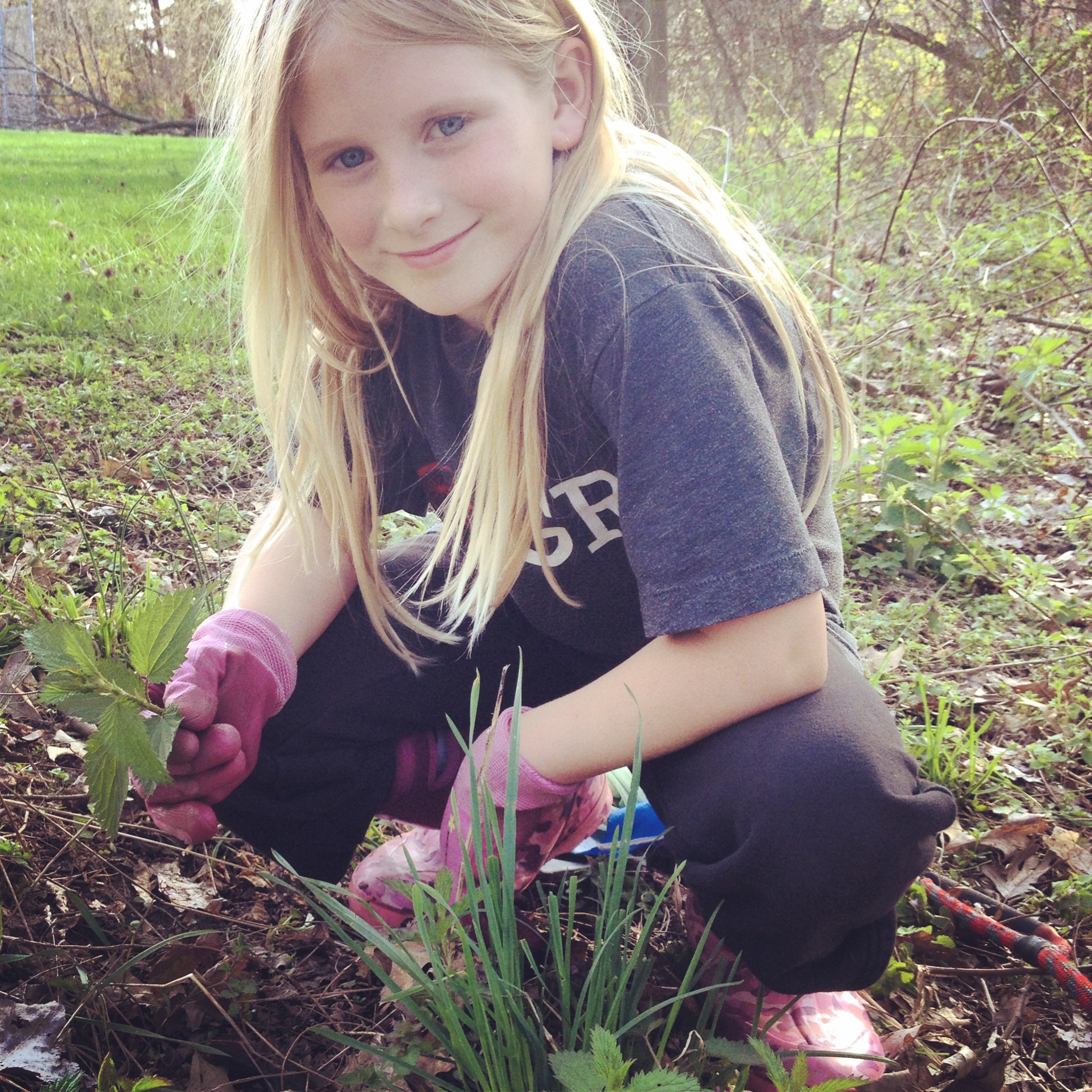
In Michigan, Emma gathering early spring nettles in a nearby creek-bed.


Parents may say, “What’s outside now that I can forage or harvest?” or “How do I know what’s edible?” or “Where do I start if I want to forage?”

If you want to forage, head outside!!!  Here are my top five tips for Spring Break Foraging 101:

1) Head to the library and select a few good plant field guides for help with plant ID. I think Sam Thayer is one of the best wild edibles authors, but for beginning botany the Petersen field guides are a good start, and my book – “Midwest Foraging” will be available this June {Preorder here}.

2) Let the kids choose an area or two to explore. I recommend starting with your own yard, then maybe choose to explore a nearby park or a friend’s farm. Always ask permission, never gather from parks with rules against foraging, and most of all – know the plants before harvesting for the sake of safety and the plants’ sustainability.

3) Have the kids pack a notebook, colored pencils, a camera, and be sure they dress in weather appropriate outdoor clothing. Pack a lunch, too, if that’s your fancy. Make a day of it.

4) Then, head out, and pay attention. Practice your botany. Map plants on a notebook, notice their leaves, maybe sketch them in a book or take pictures with a camera.

5) Only taste and plants if you are 100% certain of their edibility. A few early spring favorites are violets, dandelions, garlic mustard and early field garlic. As the weather warms, the plants are going to take off! It’s also a good time to get those kids planting peas while you’ve got them outside!!!

194654_404980499556807_380500838_o
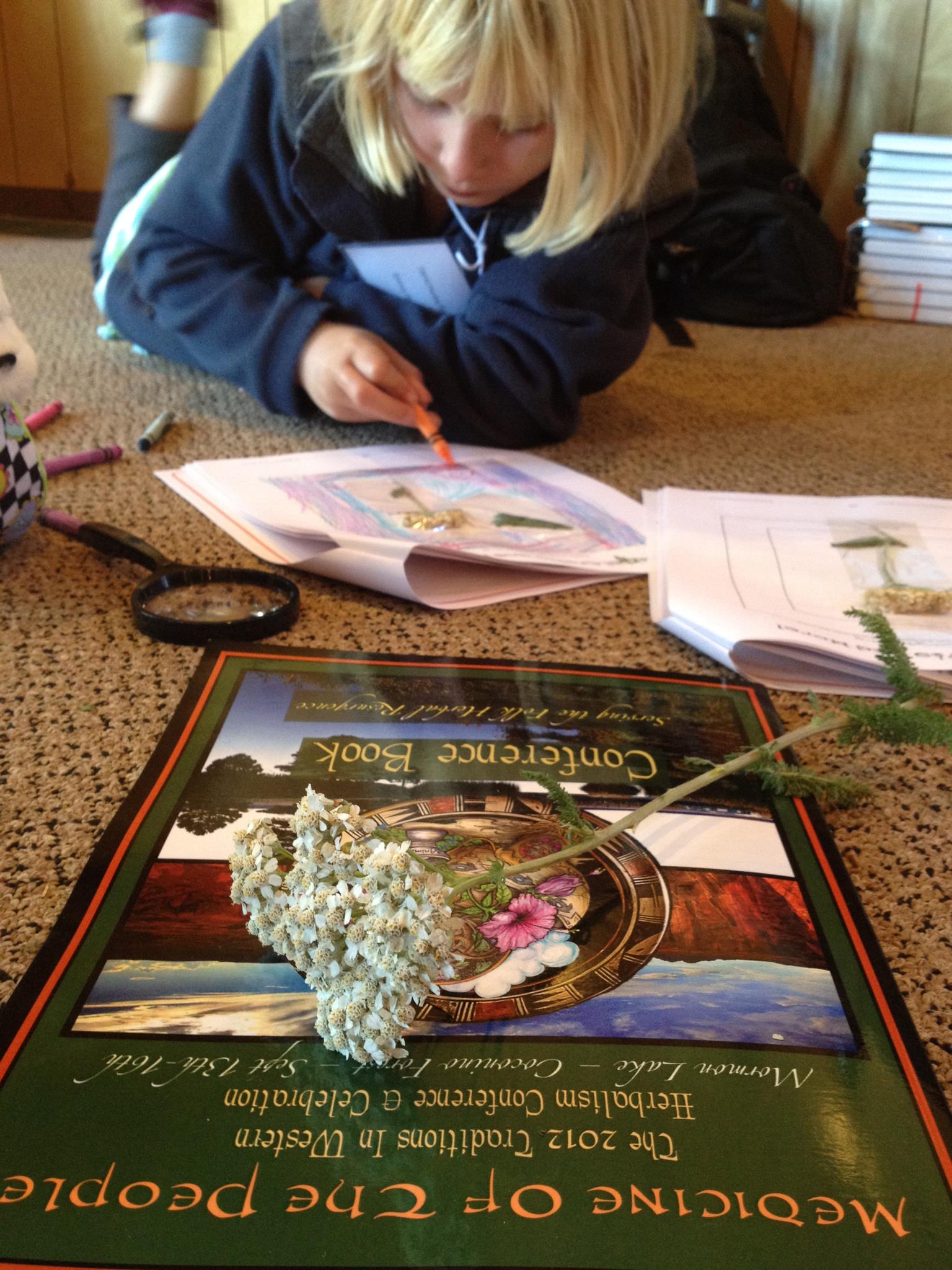
A much younger Emma, using Herbal Roots Zine to study Yarrow in New Mexico.

Let this journey be kid-led. Let them explore the outdoors, make a plant journal and even let them get muddy boots. Create a cool certificate or badge for those kids completing the adventure and to celebrate trying something new.  It’s a low-cost, high-yield activity that offers lessons to last a lifetime.

Want to have a few great materials to complement your wild plant learnings with kids? Check out Herbal Roots Zine – a great monthly plant magazine designed to help kids (and adults!) learn about plants and their uses!

Need expertise to organize a “Junior Foragers” adventure? Drop me a line to discuss private events at lisa.marlene.rose@gmail.com. Perfect for birthday parties!!! 

The last days of winter…

207638_4725735135010_350567691_n

The last days of winter are always the longest days. It’s like being 9 months pregnant – just when you thought it was your due date and the baby’s ready, you are forced to weather out 10 more days, waiting for change. And with spring, just when you are about to sell the proverbial farm lot, stock and barrel, the weather breaks and plants spring forth from the ground.

Well, even with that nice 65 degree day us Michiganders had Monday, we aren’t to spring… yet.

The snow is retreating and has left behind a trail of winter – dirty snowpiles and trash along roadsides. Maple syruping continues (READ MORE HERE), but it’s too cold still for planting cool weather crops directly in the soil– maybe we will see the soils warm enough over the next 10-20 days to plant sweat peas and other cool-weather greens for spring salads.

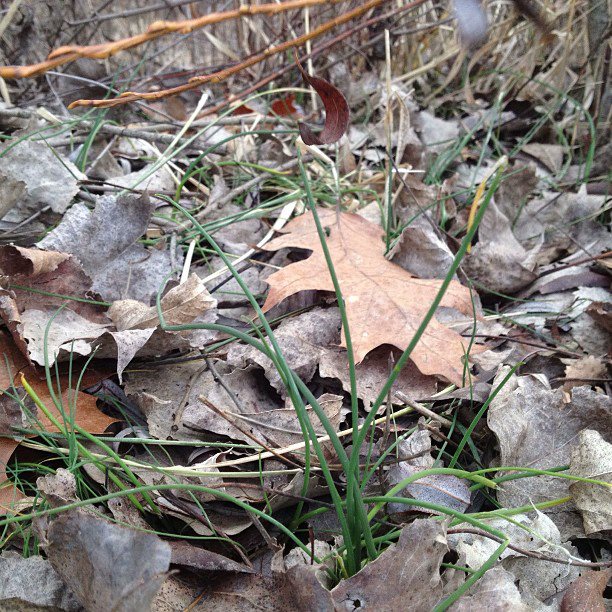
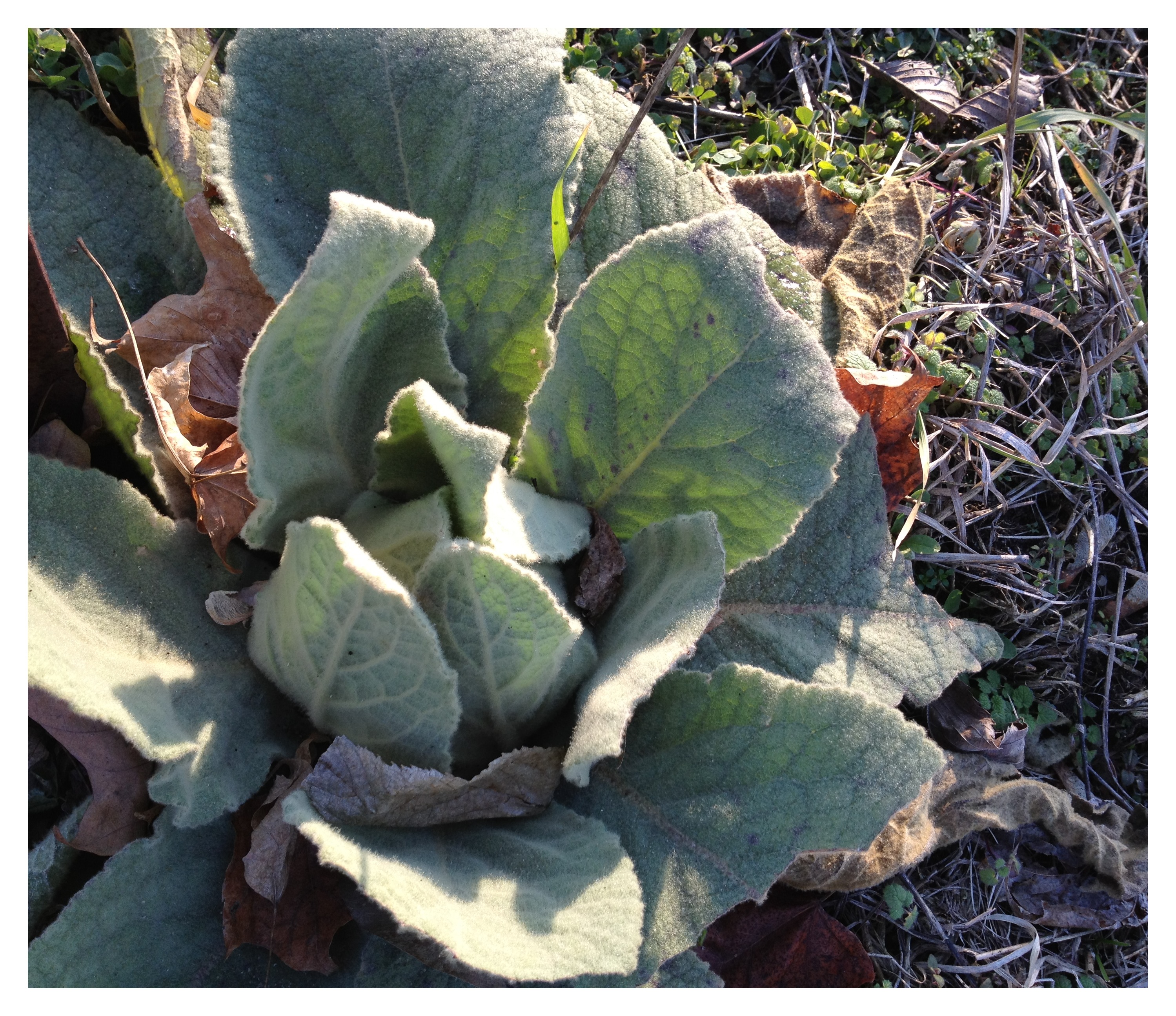
As for the wild and weedy plants that come up on their own time (like birthing babies), I am finally seeing the familiar and cold-tolerant field garlic in clumps among the leaf litter, mullein basal rosettes starting to unfurl and dock leaves stretching their long leaves.

IMG_1243

It will only take a bout of warmer weather and we will see many other plants spring forth from the soil — the chickweed, cleavers, garlic mustard, dandelion greens and violets to name a few… all are right around the corner.

Want to learn more about what’s coming up for spring foragers? I invite you to come to my next class, Foraging 101 with Ada Parks at the Ada Parks Learning Center. We will cover foraging basics and head outside for an early season plant walk.

Check out my other plant walk classes coming up this spring – lots of opportunities to learn about the wild edibles around you! Click HERE to see the listing – there’s something for everyone!

943539_10200451520624246_506995141_n

In the meantime, the land wants some help in spring cleaning. Take a moment or two this weekend to collect a bag of trash off the road or in a nearby park. It’s a good deed for the land, and nourishing for the soul to be a caretaker of the earth this is about to offer us another season of life.

The Magic Nectar of Maple Syrup

FullSizeRender

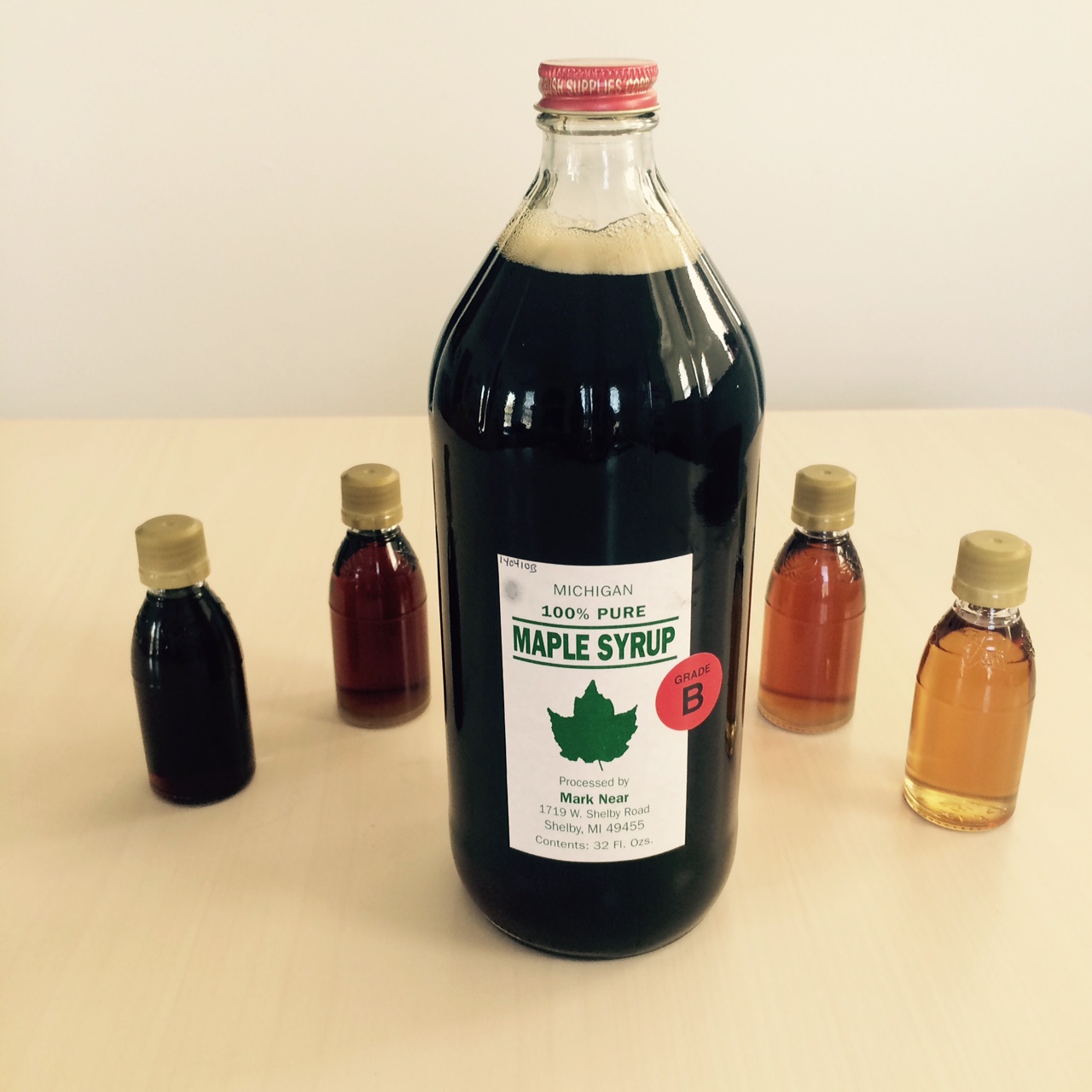
Who doesn’t love that dark amber nectar of real maple syrup – the sweetness of the trees and one of the earth’s most decadent and natural sweeteners? Click HERE to watch me rave about syrup on WZZM13.

We treat maple syrup like it’s liquid gold in my house – a precious food that I love to use in cooking. Why is real maple syrup like liquid gold? Because it is! Not only do the sugar maple trees grow in relatively small range across the globe, but it takes up to 60 gallons of sap to produce just ONE gallon of maple syrup. Consider that next time you are incredulous over the price of real maple syrup in the market — most commercial brands are made entirely of corn syrup – not a drop of that natural sap. Cheap and totally not the real deal.

In its raw form, the sap is a drinkable beverage that endurance athletes are realizing has a similar content of electrolytes as coconut water – and local, too. The sap also contains trace minerals of zinc, manganese and some iron, and these minerals remain as the sap cooks into maple syrup.

IMG_2414

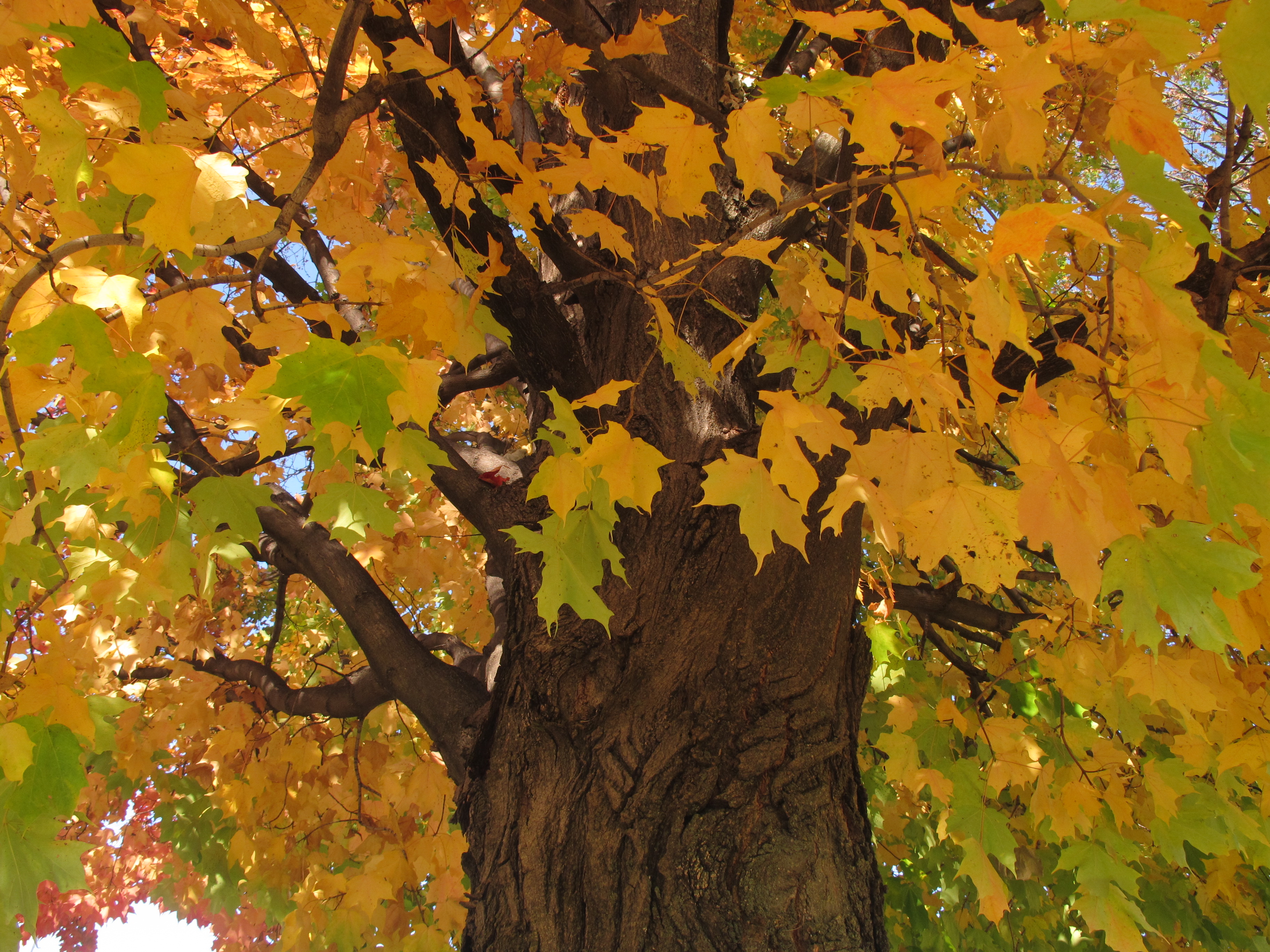
A variety of trees and species can be tapped to produce a syrup sweetener (maples and birches), but it’s the sugar maple (Acer saccharum) specifically that produces that sweet, vanillin flavored syrup we all know as REAL maple syrup.  The sugar maple grows as far east across Canada into Vermont, as far west as Wisconsin, and as far south as Georgia – making a heart-shaped area in the northeast in which superior maple syrup can be produced. Read more HERE to learn about the syruping process.

As a sweetner, maple syrup has half the glycemic load of refined or white sugar, making it a good choice for those minding their sugar intake (all of us, right?).

It’s delicious of course in pancakes, stirred into coffee, topped over oatmeal and drizzled over ice cream. But maple syrup has lovely savory uses as well – as a glaze for meats and fish, balsamic dressing, or drizzled atop stinky cheeses.

And the baking and candy making – oy – the candy making. My favorites are turning maple syrup into caramels and toffee. Super yum.

Maple syrup is also a useful sweetener in my herbal apothecary for tonics and tinctures, like my Dark Storm Bitters. The maple syrup can also be used as a base to make an iron-rich yellow dock syrup supplement for those needing an iron supplementation.

And these are just a few maple syrup uses… what are your favorites? Any special ways of using it in the apothecary?

IMG_1276

Maple Fleur de Sel Caramels 

What’s more decadent than a delicious caramel? Why, one that is made with maple syrup, of course! These classic French-style caramels are styled similarly to a Fleur de Sel caramel.

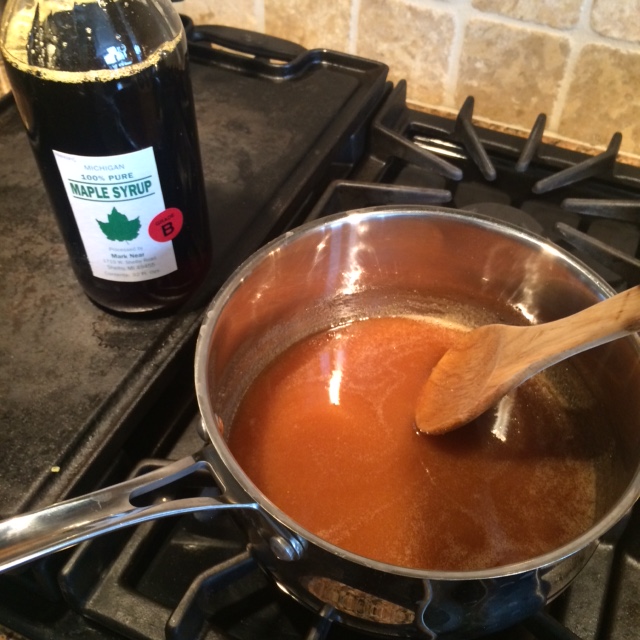
The use of maple syrup in lieu of the commonly-used corn syrup will require close monitoring as the mixture reaches 248 degrees, but results in a much more balanced vanilla flavor that’s worth the effort managing the viscosity.

IMG_1287

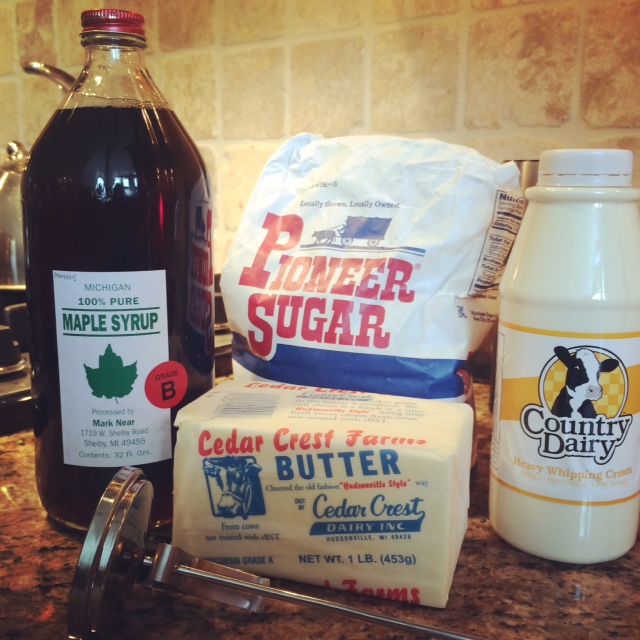
Ingredients: 

1 cup heavy cream

5 tablespoons unsalted butter, cut into pieces, room temperature

1 teaspoon fleur de sel

1 1/2 cups sugar

1/2 cup maple syrup

Parchment paper, baking sheet or pan and a candy thermometer

1) Prepare pan with parchment, oil slightly – the caramel making process is a sticky one.

2) Bring cream, butter and fleur de del to a boil in a small saucepan, then remove from heat and set aside.

3) Boil syrup, sugar, water in a large saucepan, dissolving sugar and gentle stirring until syrup comes up to a boil.

3) Stir in cream, stir constantly and simmer until the candy thermometer reaches 248 degrees.

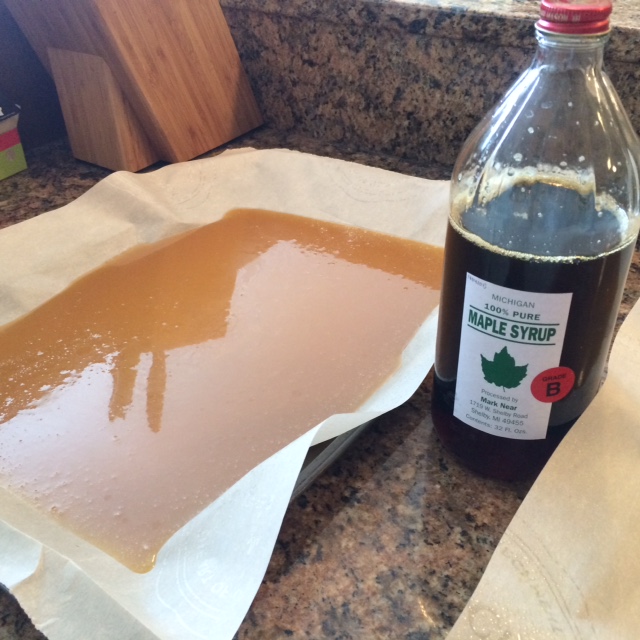
4) Pour caramel mixture into the prepared sheet, let cool.

5) Cut into strips or bite size candies, wrapping them in pieces of cut parchment, twisting ends.

6) Caramels store in a cool location for up to two weeks.

IMG_1283

Maple Syrup: A Forager’s Sweet Treat

IMG_3217

Can you hear the trees awakening? It’s maple syrup time for the farmers and foragers setting out to tap the maple trees!

Even though the land around us continues to be covered with a deep blanket of snow, there’s a shift in the trees. With warmer days and cold, clear nights, the trees are stretching their hibernating limbs and the sap starts to flow. The birds also begin to sing again. A sure sign of spring and maple syrup’ing!

Maple syrup harvest season begins when the weather stays above freezing for a few days with continued cold temperatures of 20 degrees or so overnight — usually toward the middle to end of February in the Midwest.

IMG_2414

The length of the sap season varies from year to year according to the weather, anywhere between four to six weeks and toward the end of the season, the quality and viscosity of the sap changes considerably and lessens in quality. This year, because of such a late thaw, we can expect a short and fast Sugarbush season.

Why is real maple syrup like liquid gold? Because it is! Not only do the sugar maple trees grow in relatively small range across the globe, but it takes about 60 gallons of sap to produce just ONE gallon of maple syrup. Consider that next time you are incredulous over the price of real maple syrup in the market — most commercial brands are made entirely of corn syrup – not a drop of that natural sap. Cheap and totally not the real deal.

 A variety of trees and species can be tapped to produce a syrup sweetener (maples and birches), but it’s the sugar maple (Acer saccharum) specifically that produces that sweet, vanillin flavored syrup we all know as REAL maple syrup.  The sugar maple grows as far east across Canada into Vermont, as far west as Wisconsin, and as far south as Georgia – making a heart-shaped area in the northeast in which superior maple syrup can be produced.

IMG_2423

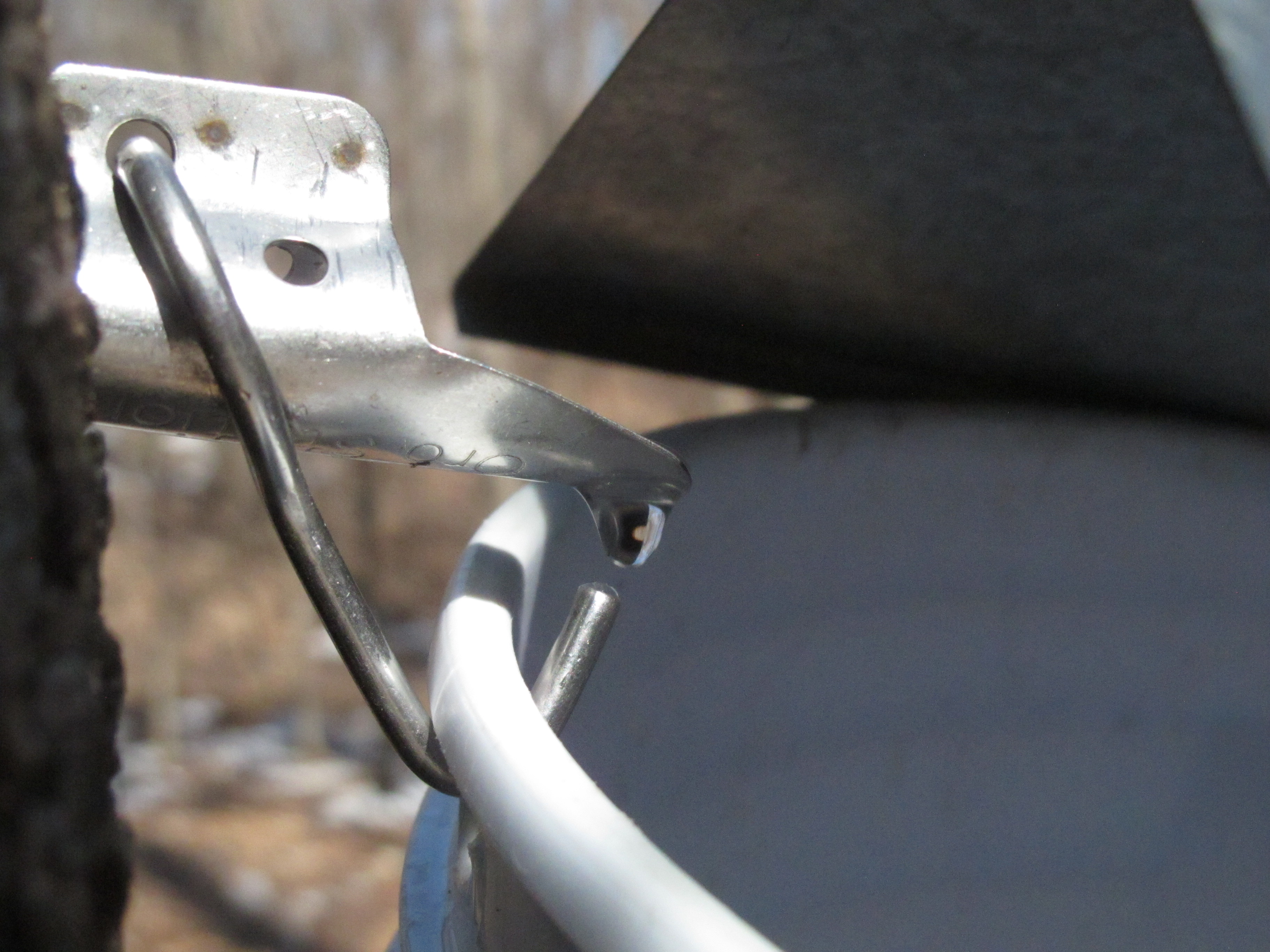
Want to tap your own trees? To produce maple syrup in any quantity, first identify maples of the right size for tapping. Tap only mature sugar maples at least 12 inches in diameter, placing the spike or tap about 4 to 5 feet off the ground. Hang a bucket off the tap, check it daily.  It’s helpful to have the trees close to where you will be processing the sap; as hauling, storing, and boiling down the sap is quite an operation.

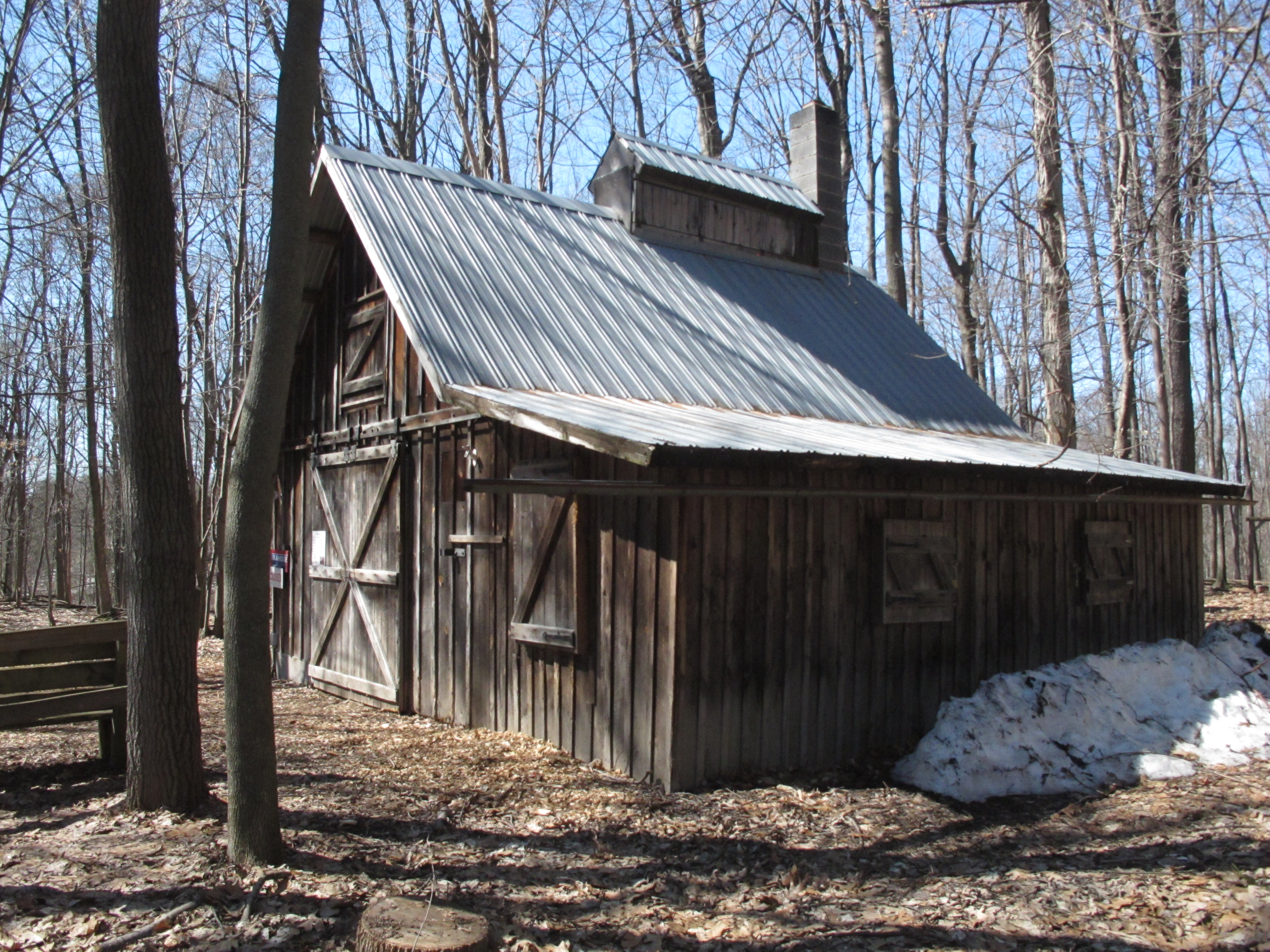
To make syrup you will need to boil the sap down into syrup. Boiling off the water from the sap is a lengthy process and it puts off a lot of moisture into the air. You can build a temporary sap boiler outside to boil the sap down into syrup, or you can collect the sap and deliver it to an established sugar shack in your area. Search for local farms and nature centers across the Midwest that may have them on their properties.

Just note – Don’t boil the sap inside your home! Boiling off the water will literally peel the papers off your walls and will leave a sticky residue all over the kitchen. Not good. Not worth it – even to make syrup.

IMG_3157


Once the sap is boiled down into the syrup, it can be poured into bottles and canned by water bath or stored into the refrigerator.

Inspired to do your own Sugarbush? For more information check out Michigan Maple Syrup Association for news on events and backyard sugarbush training. Want to visit a local Sugarbush? If you are in the Grand Rapids area, check out Blandford Nature Center’s event happening in March!

IMG_9998

Folks frequently ask, “Can you forage in winter?” and my response is always a resounding yes! While there aren’t the summer’s berries and flowers to be found in the deep snow of the Great Lakes; a forager can delight that there are barks, buds, and even sap to be gathered in the cold of January and February.

Not only are there plants that can be gathered in the winter, but wintertime is a perfect chance to practice your plant identification skills – you can practice keying out plants and trees from last season’s leaves, stalks and barks as well as discover new plant stands for spring harvesting. Moreover, I am a believer that we should spend time outdoors in all four seasons – it helps with seasonal depression, can boost immunity and is just all around good for the soul to get outside and appreciate the natural world around us.

IMG_0020

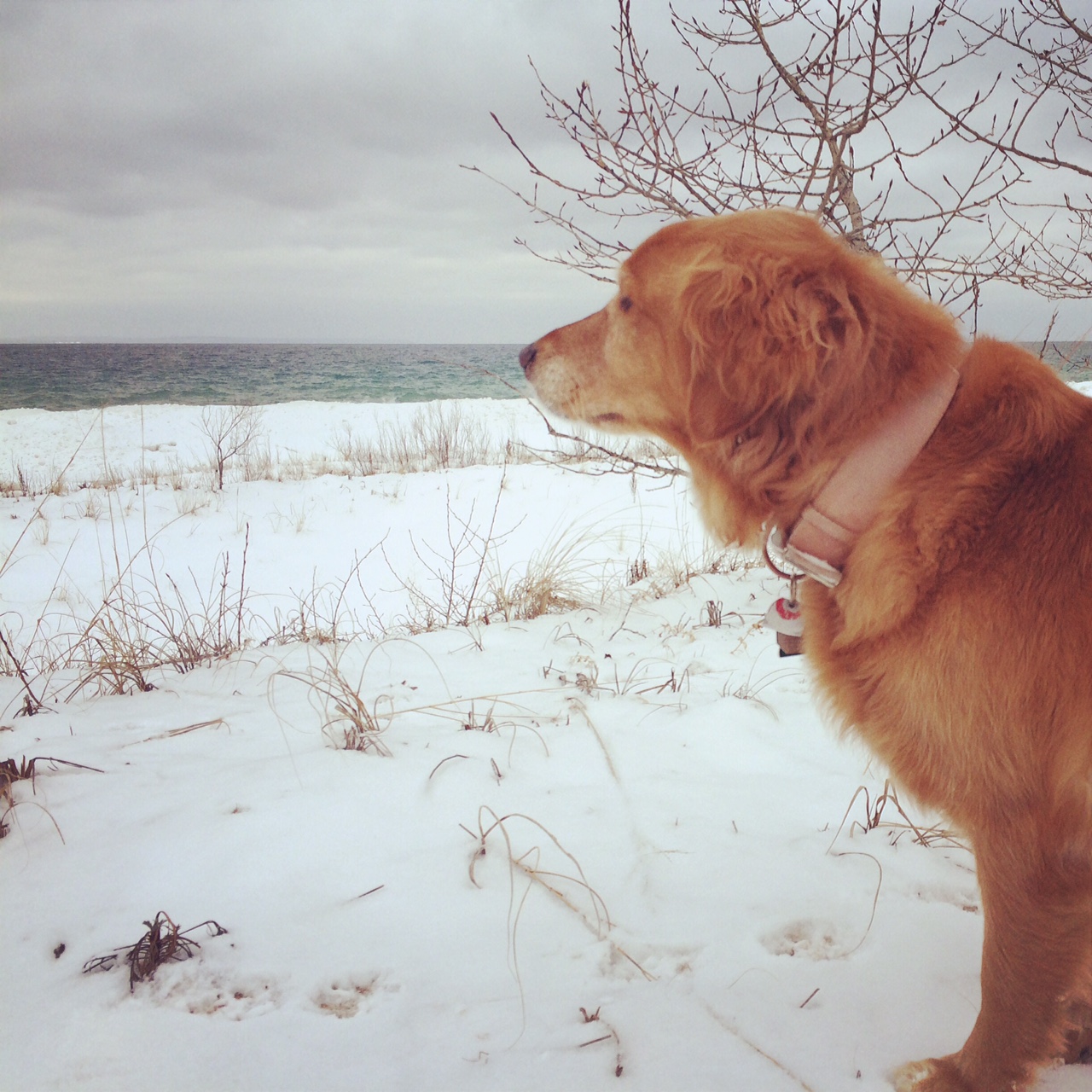
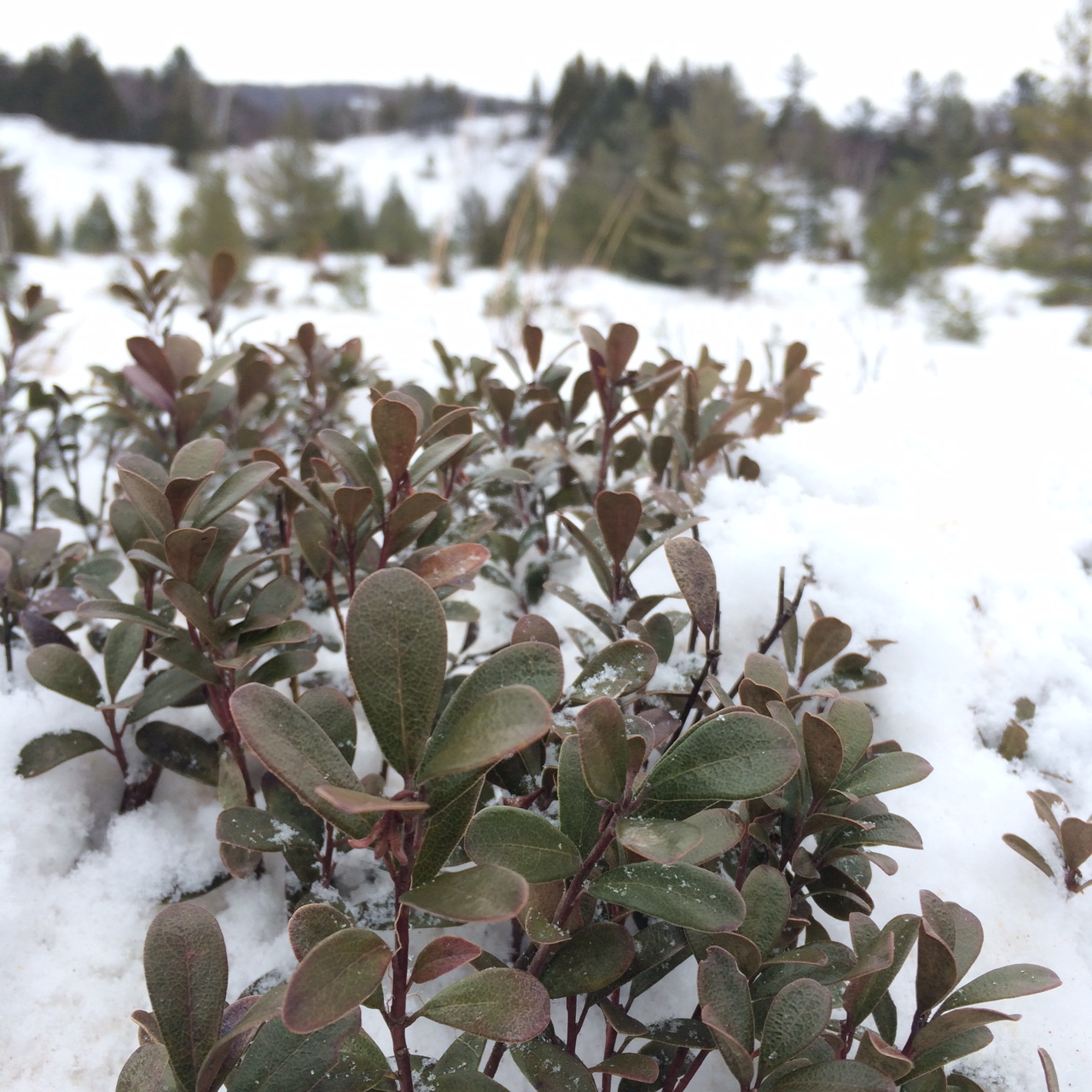
Just this past weekend, I headed out with my trusty and patient companion, Rosie, to walk along the icy Lake Michigan shoreline in northern Michigan. As I made my down the beach, I said hello to the overwintering uva-ursi who will soon have pink flowers again in May.

IMG_9993

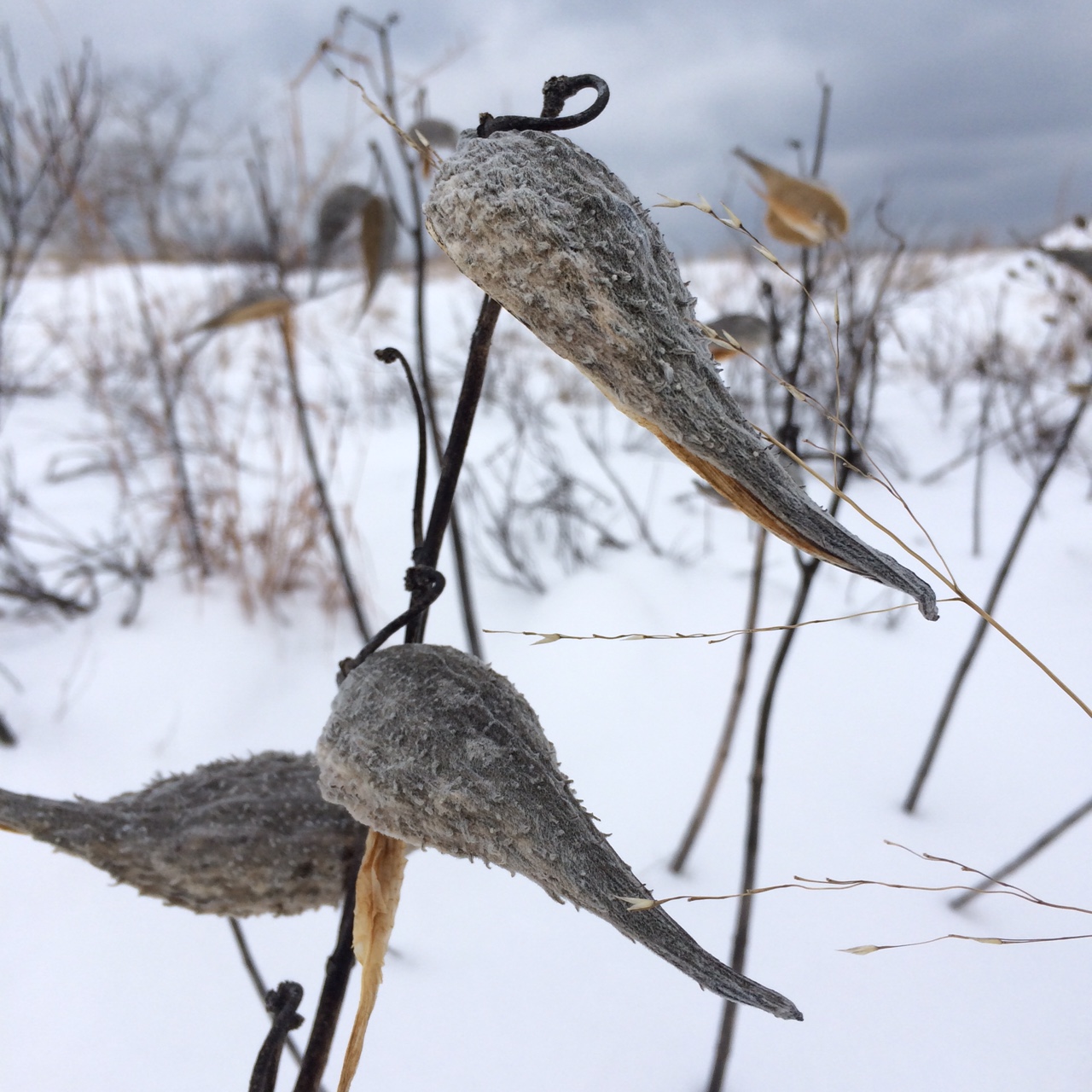
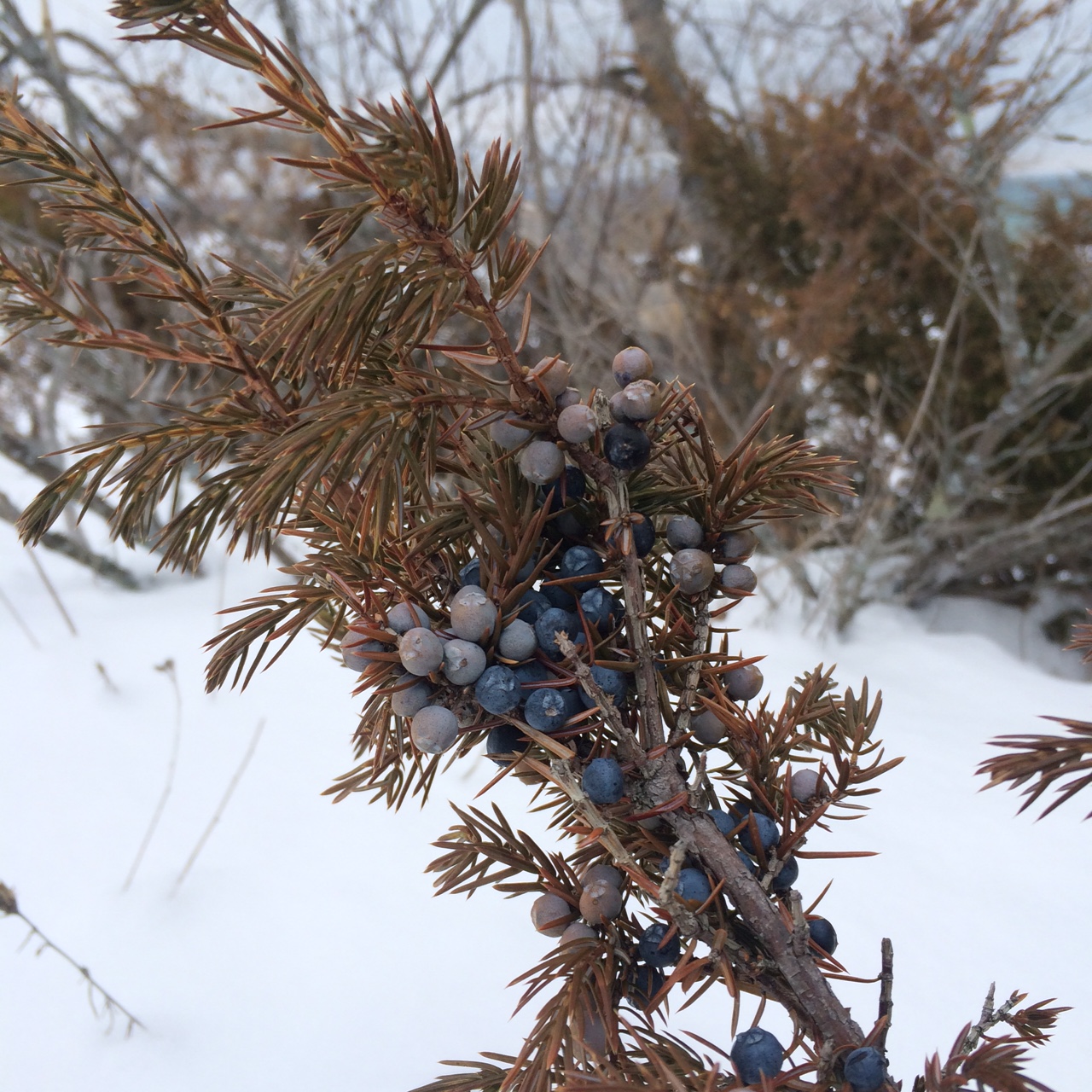
I saluted the stately milkweed, whose pods looked like a well-crafted sculpture against the white snow. I even bent down to collect a few handfuls of juniper berries for spice and tea in my kitchen.

IMG_9988

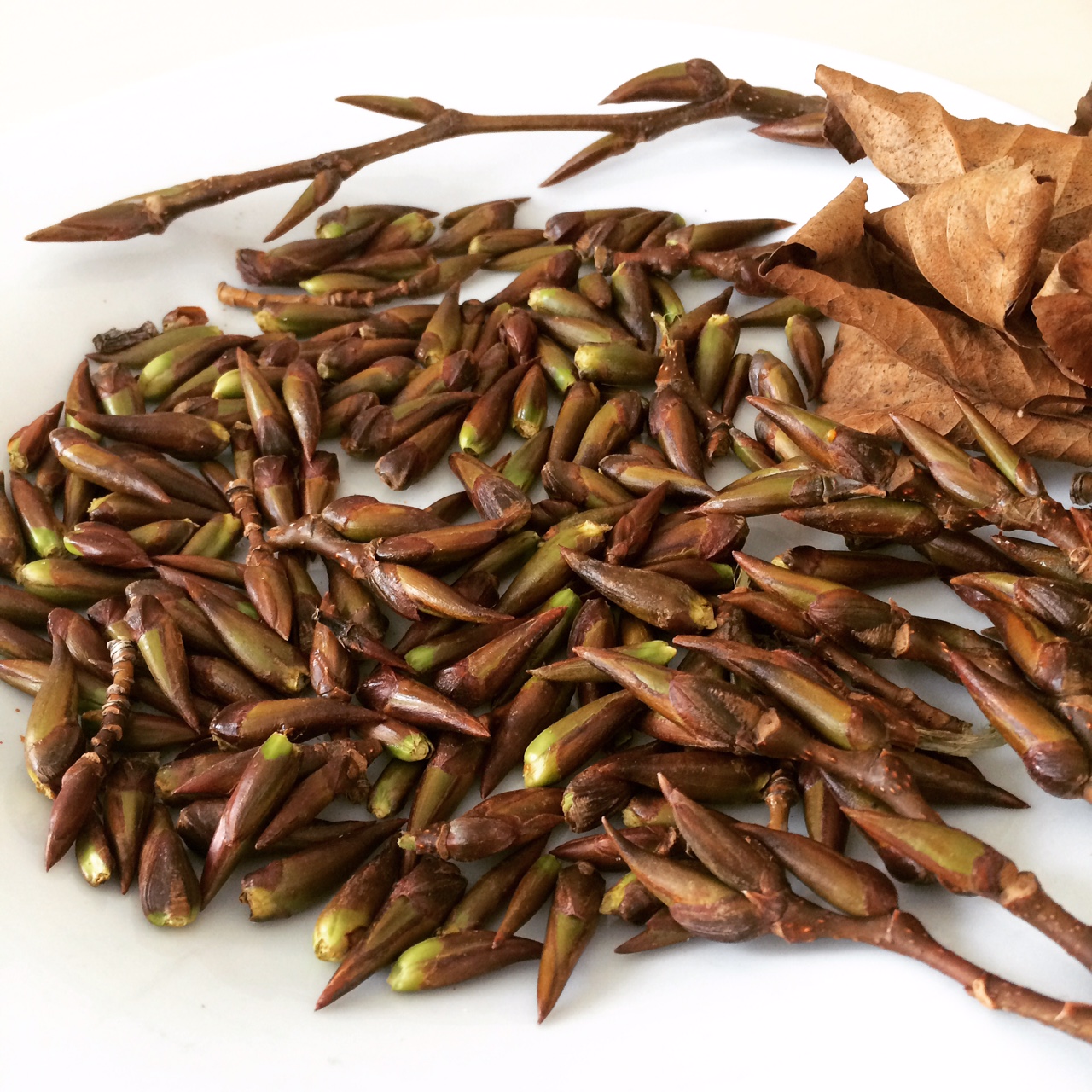
I hiked along the front dunes, stopping at the clustering stands of Poplars to gather their aromatic and resinous buds to make a Balm of Gilead warming muscle salve.  Stopping at each tree (stands of P. grandidentata; though stands of P. tremuloides, P. balsamifera, and P. deltoides are also common on the foredunes of this area), I tasted the buds for that signature resinous-camphor-like flavor on my tongue so I would know which buds to gather. My dog stopped along with me — patient and musing as to why her human companion was tasting trees again. I tasted to be sure they were the most strong buds. Not surprisingly, the flavor varied from tree to tree.**

IMG_0003

The large-toothed aspens delighted me with super resinous buds – way more warming, resinous and spicy than the quaking aspens (P. tremuloides) back downstate in my own woods and in the nearby back dunes, from which I’ll gather bark later in the spring for bitters blends. The buds will vary from species to species and from locale to locale. Use your senses to determine strength and how you might want to use them.

IMG_0027

The buds will be extracted into a coconut oil base to be made into a muscle salve. If I have enough, I will also extract the buds into a tincture of high-proof alcohol to make a topical liniment for tight and sore muscles. The poplar buds can be formulated also with goldenrod, St. John’s Wort, and yarrow for a well-rounded muscle salve or liniment.

Balm of Gilead Infused Oil Recipe : Add 1 cup fresh Poplar buds (taste for resinous and aromatic flavor) to a mason jar, cover completely with olive or coconut oil. Let steep for 6 weeks and then strain. For faster extraction, simmer mason jar in a double boiler with water or in a crock pot. Finished oil can be used alone as a massage oil or used as a base for a nice salve.

**A note on sustainability: Poplars drop their branches during heavy windstorms, making it most sustainable foraging to gather barks and buds from fallen branches. Buds can be gathered from live trees, but do gather only a handful from tree to tree, and be sure to give thanks for the harvest the trees offer.