In the middle of a hot and steamy July, there’s nothing like a tall glass of refreshing lemonade. But here in the Midwest, lemons aren’t local… but guess what? You can make that pitcher of lemonade – or a copycat “lemonade” without the lemons while using the staghorn sumac berries instead!
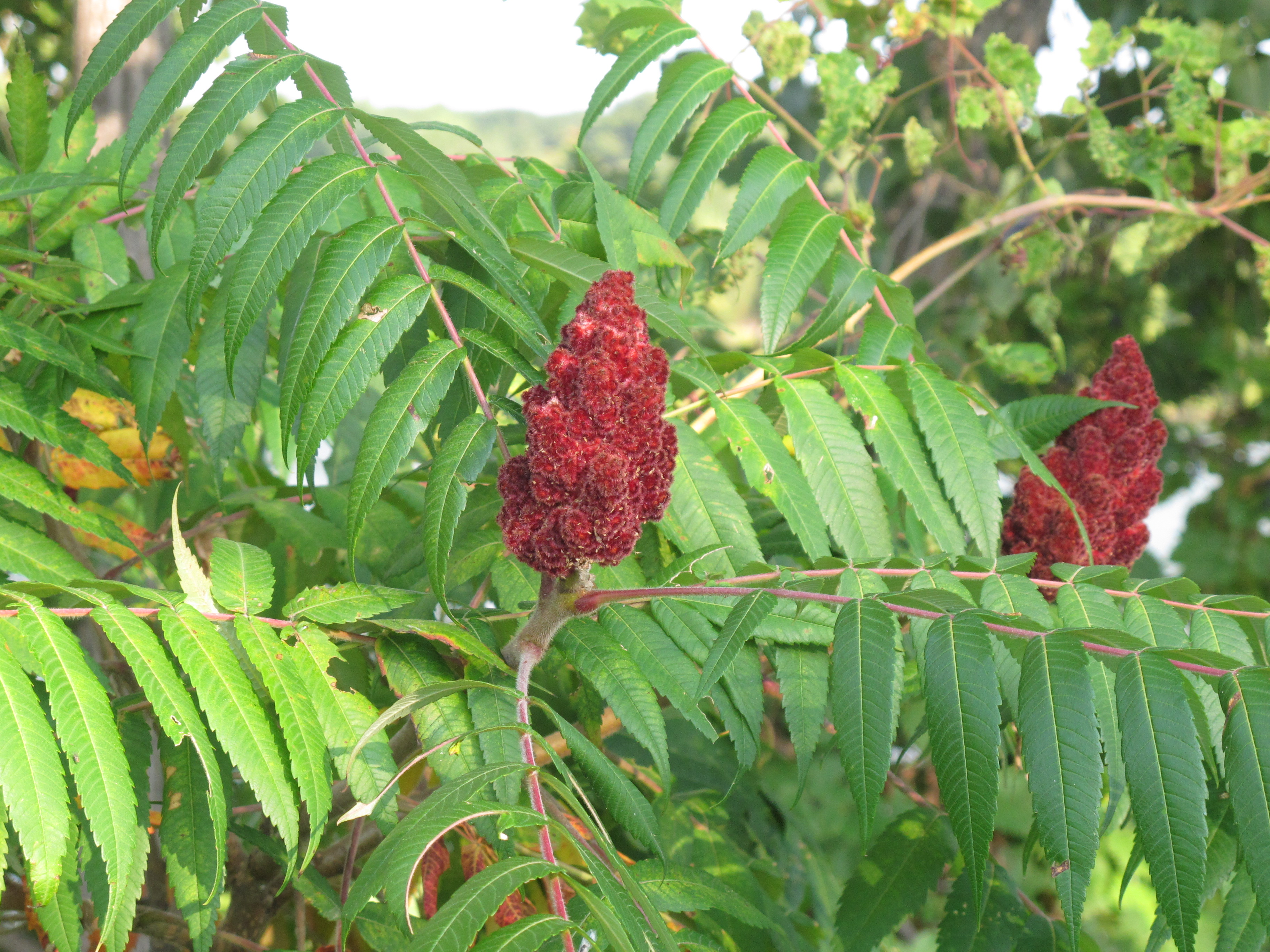
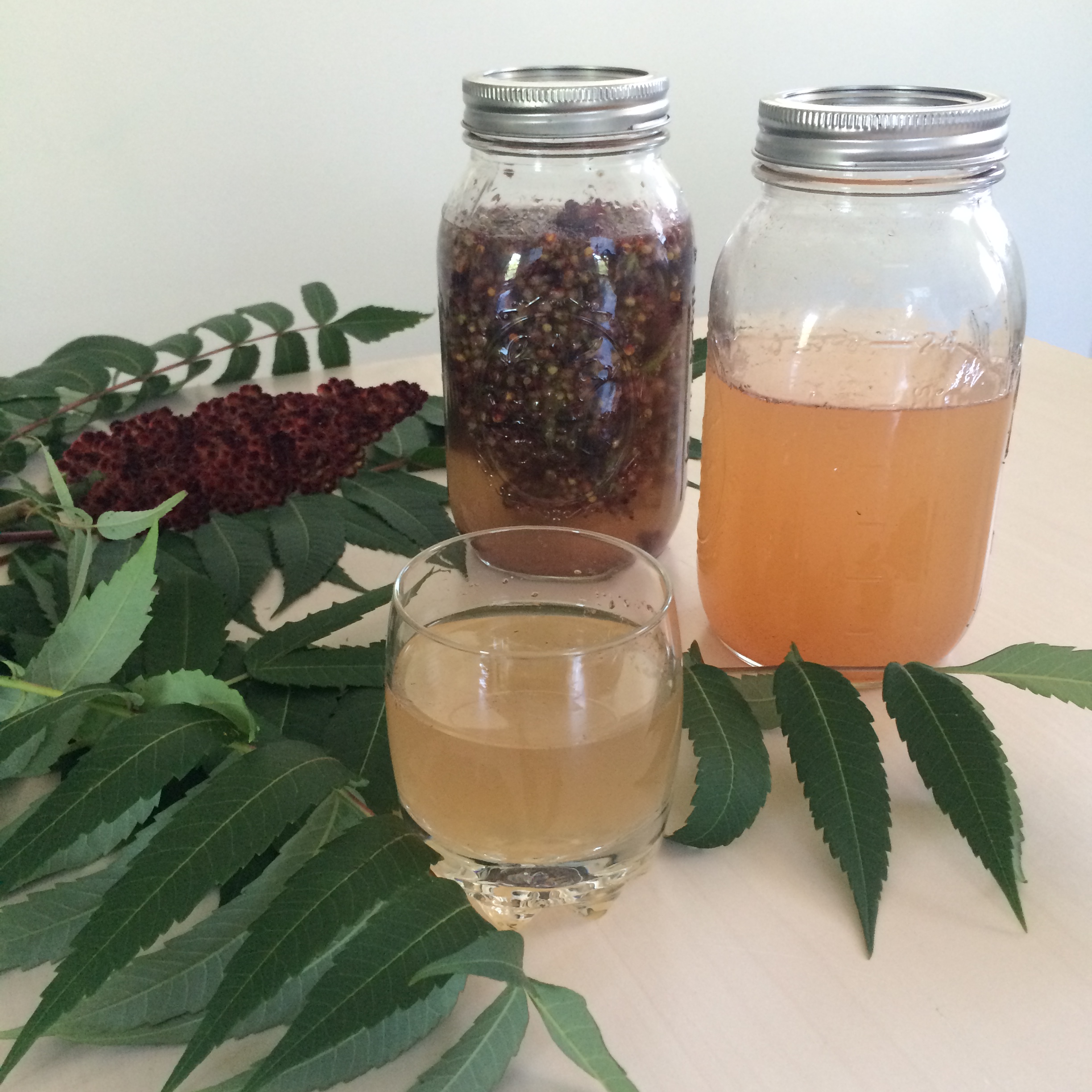
Staghorn sumac, Rhus typhina
“What,” you say? Lemonade without lemons??? Well, ok, so sumac “lemonade” would more appropriately be called a tea. But that’s besides the point… Infused in cold water overnight, the sumac berries of Rhus glabra and Rhus typhina make a great-tasting, refreshing sour and citrus-like beverage that is delicious on its own or simply sweetened with honey and garnished with lavender for an extra herbal flavor.
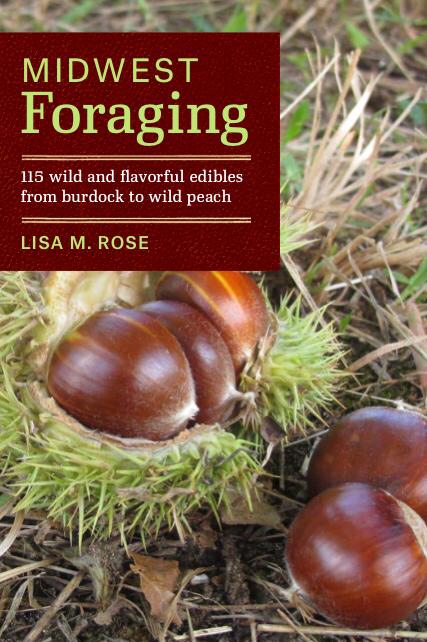
Common in hedgerows and at the edges of the field are the staghorn and smooth sumac (Rhus typhina and Rhus glabra respectively). Both sumacs are common native shrubs whose flower clusters ripen into deep red fruit clusters toward the end of July and into early September. For more tips on identifying sumac, get a copy of my book, Midwest Foraging to take with you into the fields!
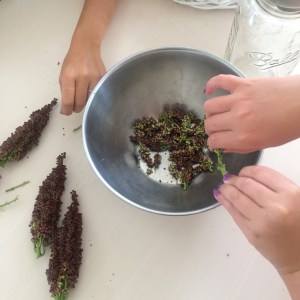
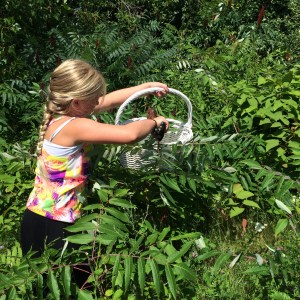
The berries – or drupes in botanical language – taste sour like lemonade. Use hand pruners to gather the drupes into a bucket, choosing the clusters that are most bright in color and most uniformly red. In the kitchen, separate the red and sour drupes from the stems – be warned there may be a scattering of small bugs as you sort the plants.
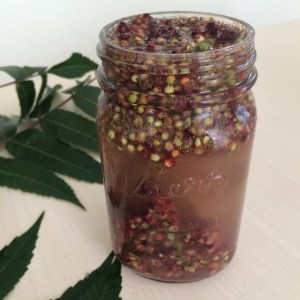
To prepare: Pack the drupes into a jar and cover them with cold water. Let them soak for a day or so in the fridge. Strain the liquid into a serving pitcher and voila – a delicious pink lemonade! Serve cold over ice and garnish with sprigs of lavender.
To see my TV segment on Staghorn Sumac Lemonade and easy tips for foraging with kids, visit WZZM13 Online: Staghorn Sumac.
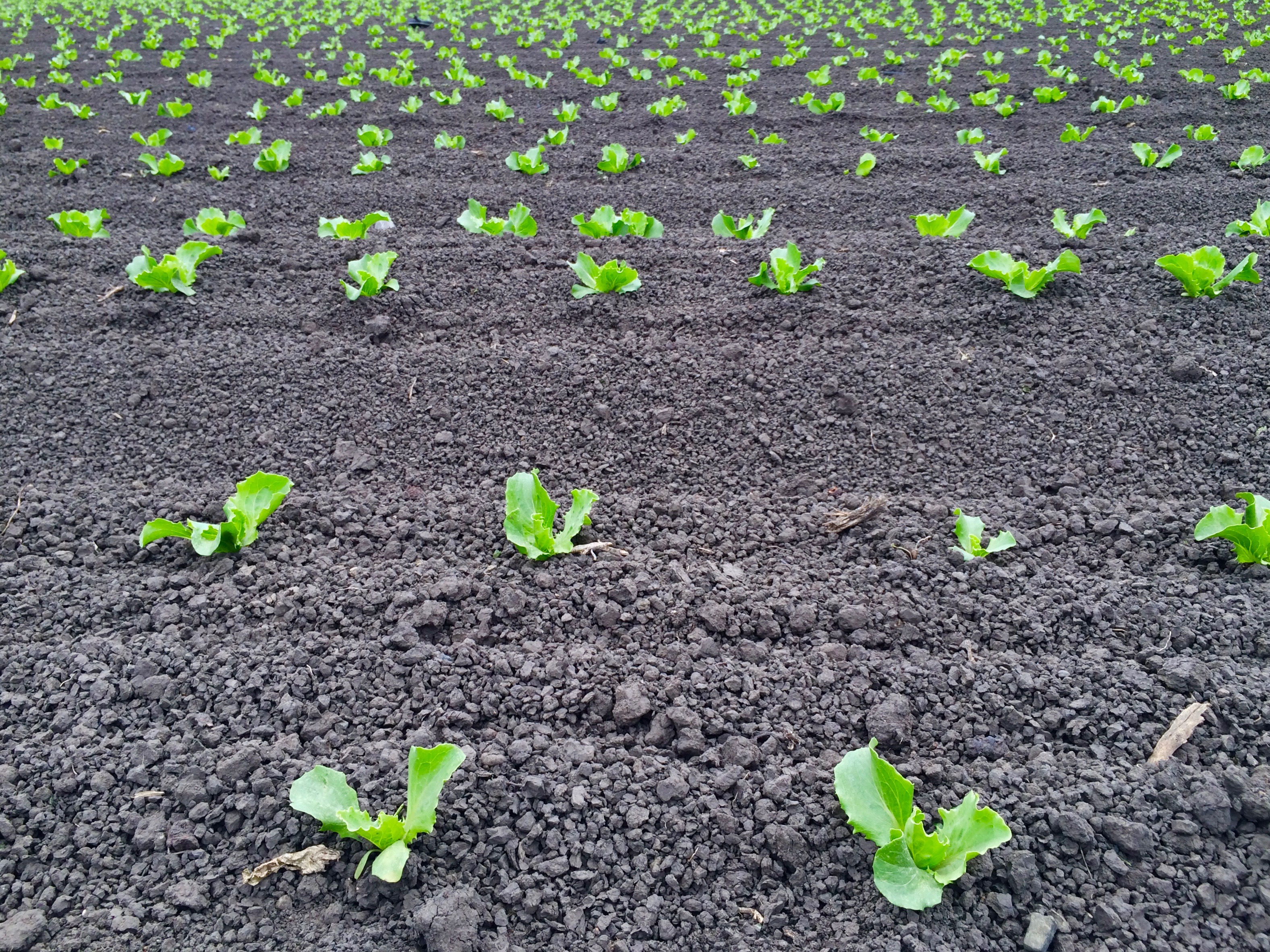
On a plane to Monterey. From 35,000 feet above the ground, I think about the stories of the farms below and the food that’s being grown for my table.
From this vantage point I cannot see the soil, rocks, insects, microbes, or the cover crops that shield the plants along the ground. I can’t see the grazing animals and the grasses that feed the cattle. I cannot see the hands of the people tending the plants or the trucks carrying them to market for sale.
But I can see the interrelationship of the farms to the landscape- the mountains, the rivers, the dams.
From this viewpoint, I can see the wind shadow that creates the dry areas of prairie. I can see the verdant green that runs along the riverbanks and the wind farms turning to a cadence of the wind flow to produce energy.
Traveling to the Salinas Valley
As I travel to California to tour the farms of the Monterey coastline, I think about the complex systems we have in place to deliver food in large scale from the farm to the table. I think of the sustainability of these systems, and the opportunities for innovation that can come from companies like Gordon Food Service that I am working for now in my daytime work.
In my knapsack I carry 20 years of academic and professional experience in food systems. I’ve travelled a delicious journey over these 20 years. This Monterey trip will add another layer to my food systems understanding – this time from the perspective of a food service broadliner.
I plan to learn from our farmers, to draw insights how we can -as North America’s oldest, family owned and managed broadline food service company – highlight the value we bring to the table of our customers every day. To tell the story of what goes into the growing of our Markon brand of produce.
Digging Deeper: Future of Foodservice
But I want to go deeper to understand what the potential is – as a private corporation – to shape a food system that is sustainable for the next generation. How we can create a demand for food that is grown in a way that hedges the challenges we face in agriculture in regards to land, water, oil, and labor.
Through our market endeavors, I believe that we can translate our Company’s values to grow a food system infrastructure that is good for people and the planet.
Our customers are demanding more from their farmers and suppliers. They want not only freshness and value, but know that the food’s been grown in a healthy manner for people and planet. I believe we can deliver on this challenge.
I look forward to seeing how this story unfolds. I’m betting it will be delicious. Our future as humans and planet depend on it.
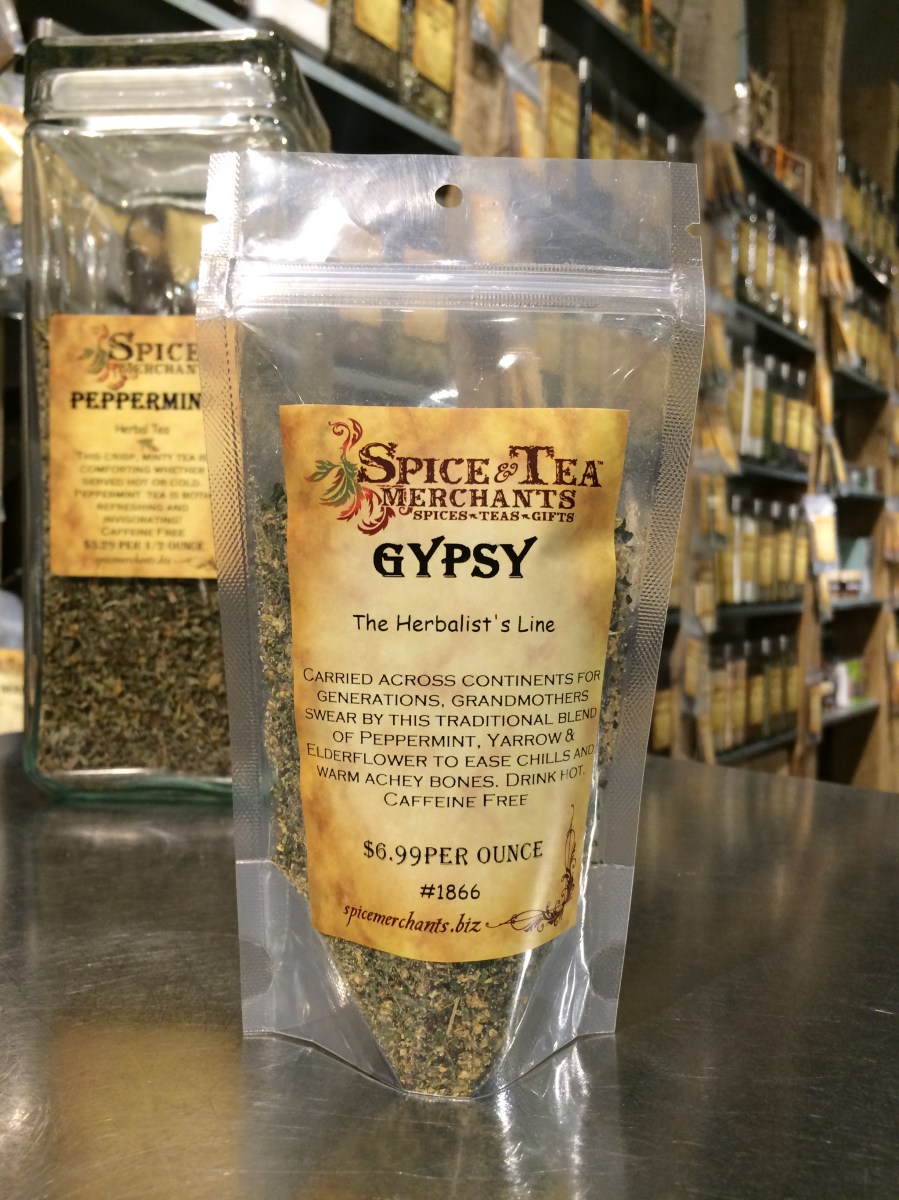
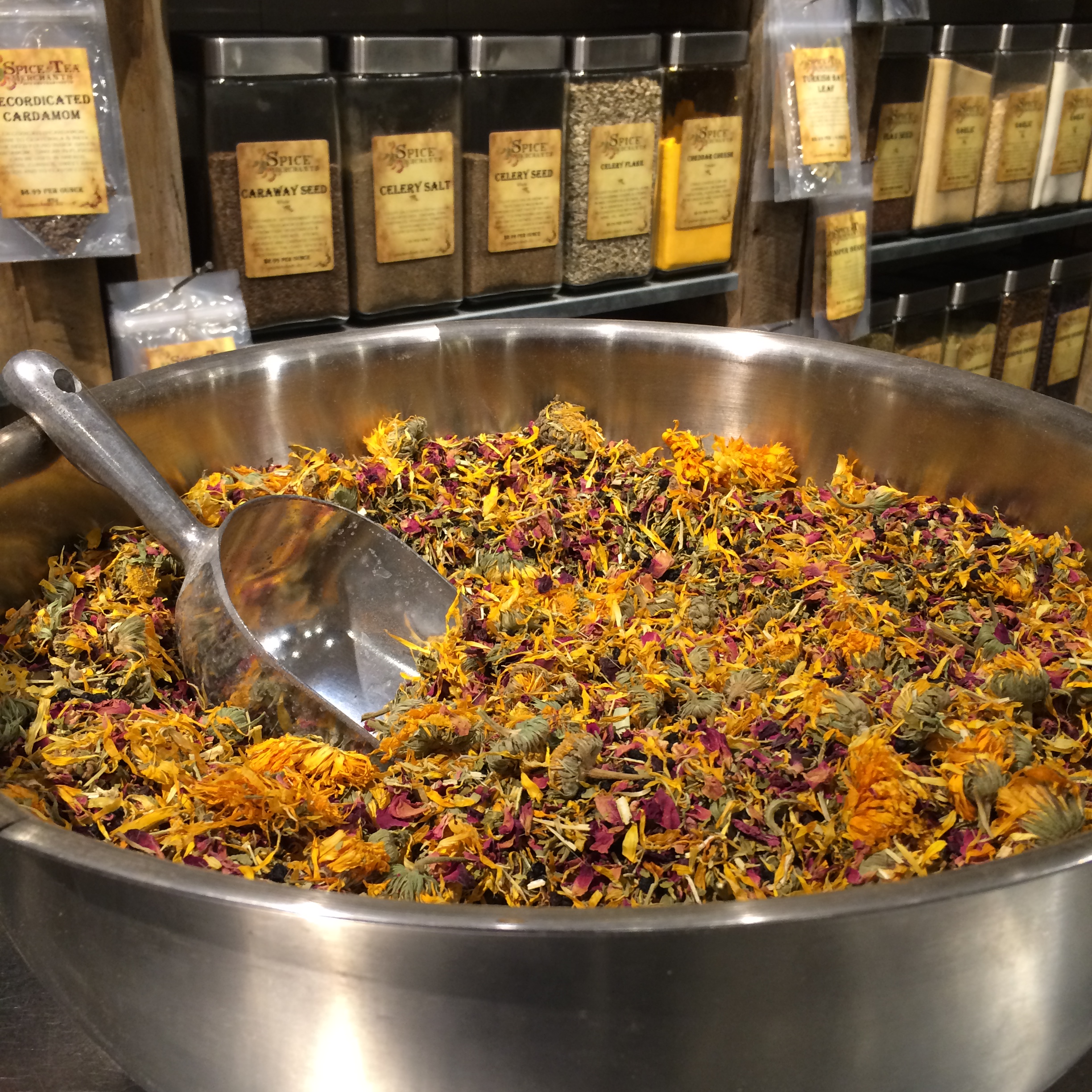
I’ve been in-house blending organic teas at The Spice Merchants in Grand Rapids as their resident herbalist. My favorite combos are now located right there at the shop under “The Herbalist’s Line.”
I also have some of my own wildcrafted, Burdock & Rose herbals in stock at the Grand Rapids location, as well as my book, “Midwest Foraging.” I’m pretty delighted to work with the Spice Merchants – it harkens back to the family business in Flint – my Grandfather’s wholesale tea and coffee business: Mack Tea & Coffee.
You will see me around the DT Market every so often, working alongside their great staff answering herbal questions. I’ll try to get better at announcing when I’ll be around so you can stop by!
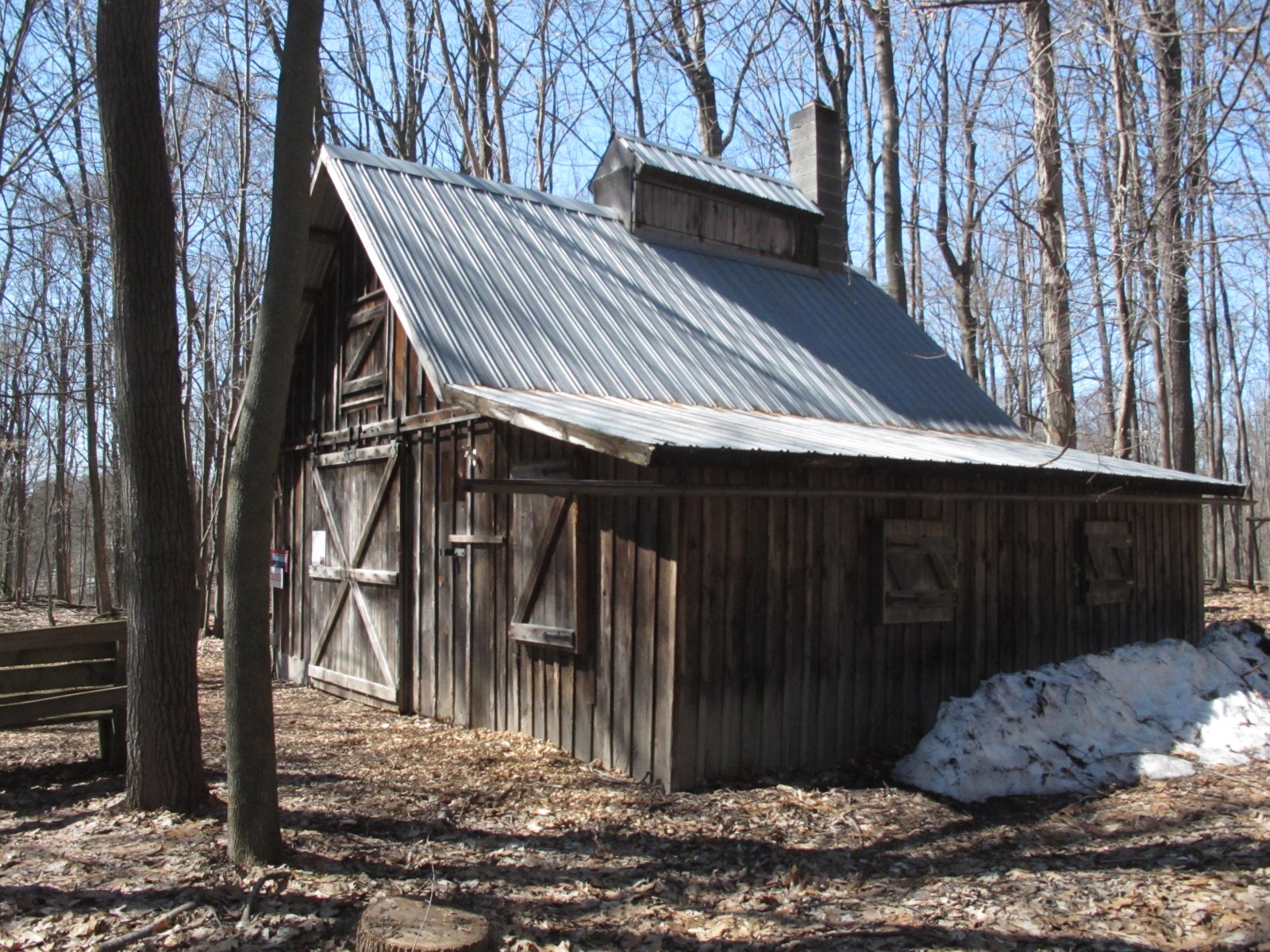
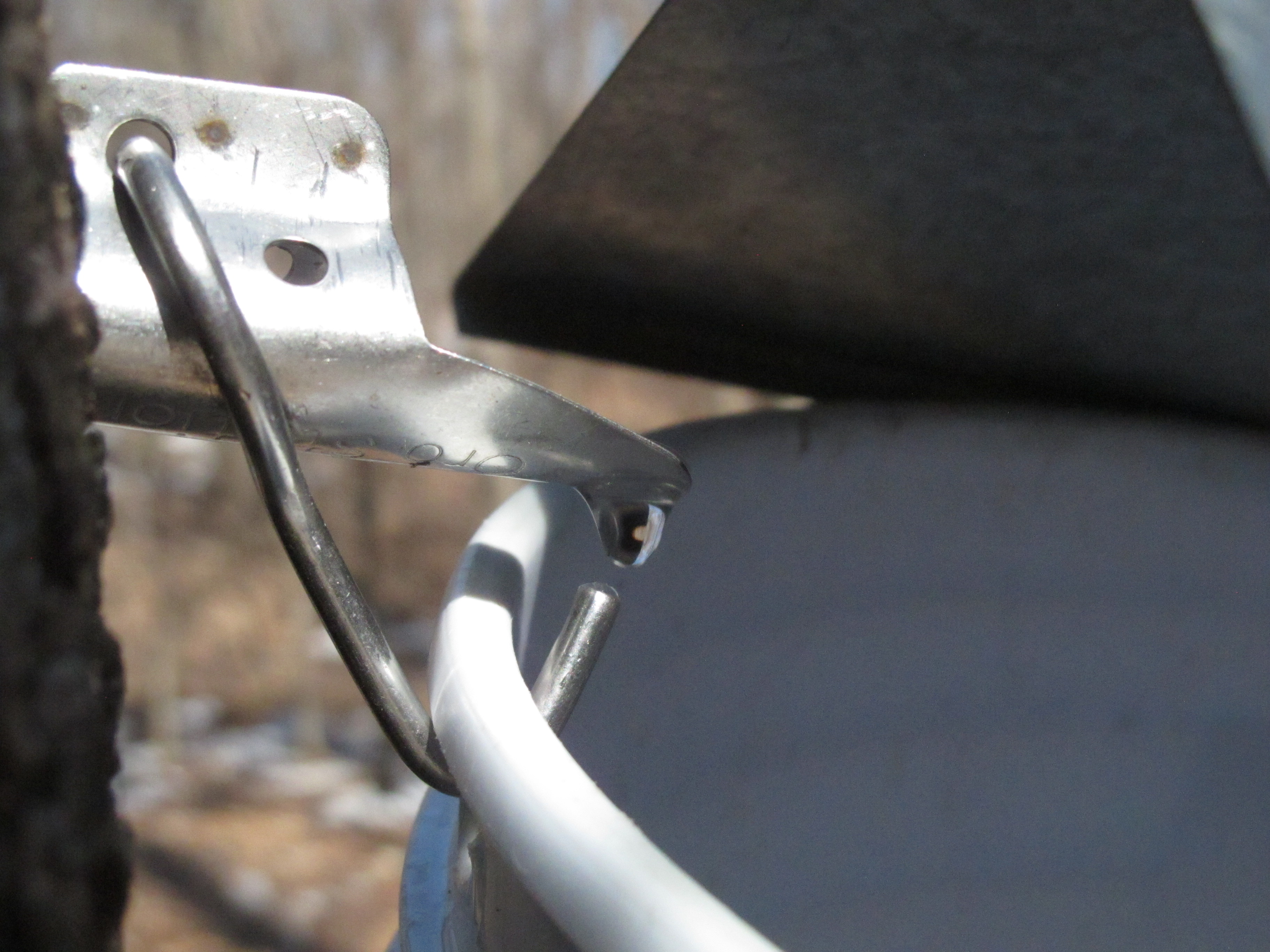
Drip. Drip. Drip. That’s the sound you hear of the maple tree’s sap dripping into buckets.
Did you know that it takes up to 60 gallons of sap to produce just ONE gallon of maple syrup. Consider that next time you are incredulous over the price of real maple syrup in the market — most commercial brands are made entirely of corn syrup – not a drop of that natural sap. Cheap and totally not the real deal.
In its raw form, the sap is a drinkable beverage that endurance athletes are realizing has a similar content of electrolytes as coconut water – and local, too. The sap also contains trace minerals of zinc, manganese and some iron, and these minerals remain as the sap cooks into maple syrup.
Foragers – aka Sugarbushers – tap a variety of trees and species to gather sap to make syrup – from maples to walnut trees to birches. Most commonly known is the sugar maple (Acer saccharum) that produces the sweet vanillin flavored syrup we all know as REAL maple syrup.
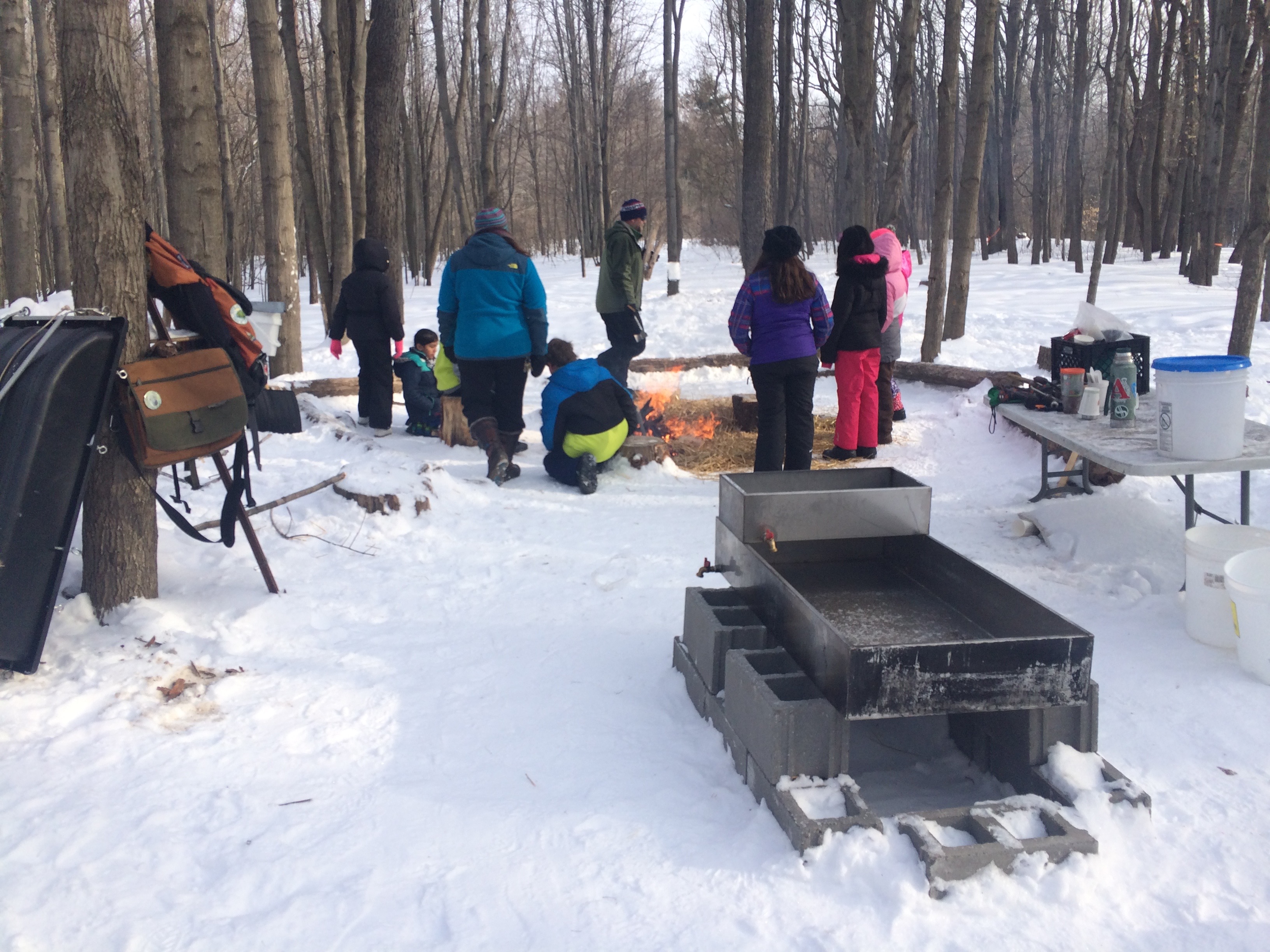
The sap has to be boiled down in an evaporator- this reduction process boils off the extra water to produce that condensed, sweet syrup. Caution – don’t ever try to evaporate the sap inside. My mom did this once, and it peeled the wallpaper off the kitchen walls and left a sticky residue on the walls. It is now a family joke, but it wasn’t funny at the time.
An outdoor evaporator is used by the students and staff at the West Michigan Academy for Enviro Science to boil down their sap.
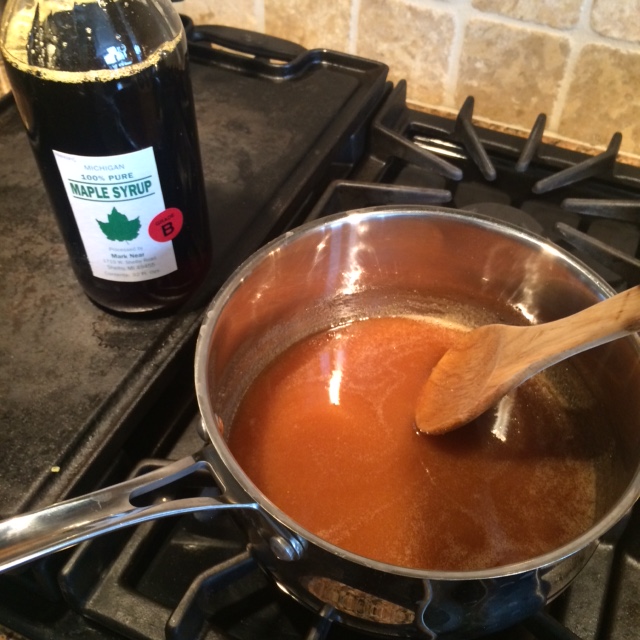
As a sweetener, maple syrup has half the glycemic load of refined or white sugar, making it a good choice for those minding their sugar intake (all of us, right?). It’s delicious of course in pancakes, stirred into coffee, topped over oatmeal and drizzled over ice cream.
Maple syrup has lovely savory uses as well – as a glaze for meats and fish, balsamic dressing, or drizzled atop stinky cheeses.And the baking and candy making – oy – the candy making. My favorites are turning maple syrup into caramels and toffee. Super yum.
Maple Fleur de Sel Caramels
What’s more decadent than a delicious caramel? Why, one that is made with maple syrup, of course! These classic French-style caramels are styled similarly to a Fleur de Sel caramel.
The use of maple syrup in lieu of the commonly-used corn syrup will require close monitoring as the mixture reaches 248 degrees, but results in a much more balanced vanilla flavor that’s worth the effort managing the viscosity.
Ingredients:
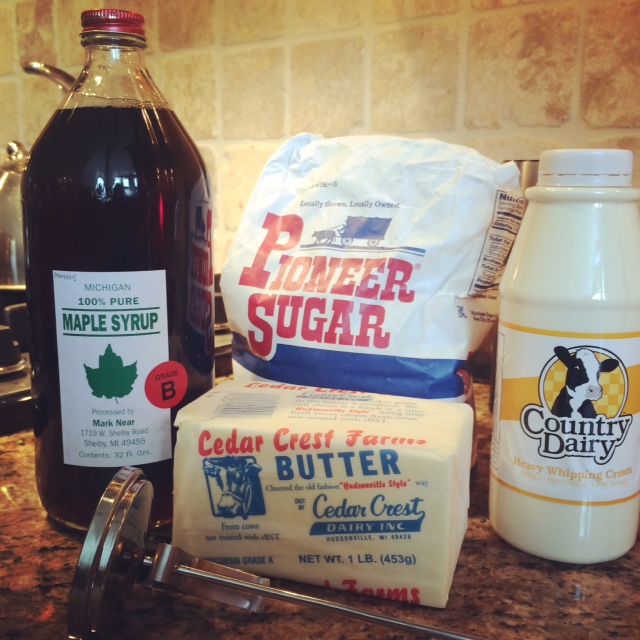
1 cup heavy cream
5 tablespoons unsalted butter, cut into pieces, room temperature
1 teaspoon fleur de sel
1 1/2 cups sugar
1/2 cup maple syrup
Parchment paper, baking sheet or pan and a candy thermometer
1) Prepare pan with parchment, oil slightly – the caramel making process is a sticky one.
2) Bring cream, butter and fleur de sel to a boil in a small saucepan, then remove from heat and set aside.
3) Boil syrup, sugar in a large saucepan, dissolving sugar and gentle stirring until syrup comes up to a boil.
3) Stir in cream, stir constantly and simmer until the candy thermometer reaches 248 degrees.
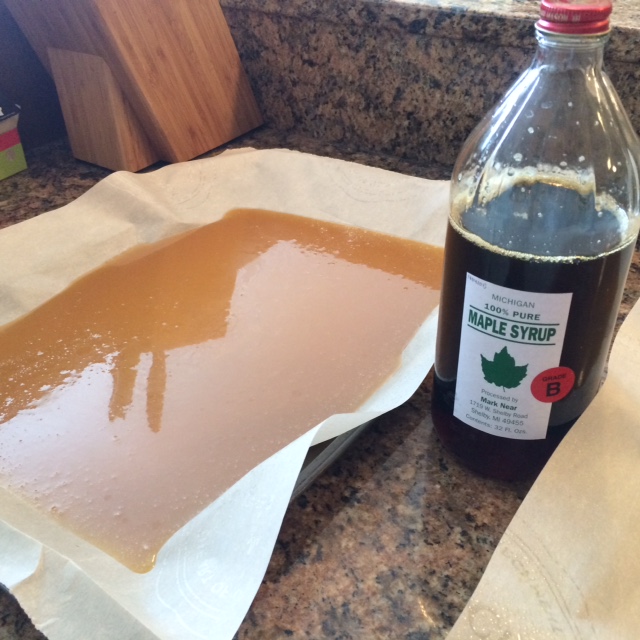
4) Pour caramel mixture into the prepared sheet, let cool.
5) Cut into strips or bite size candies, wrapping them in pieces of cut parchment, twisting ends.
6) Caramels store in a cool location for up to two weeks.
Want to learn more? Click HERE to go to WZZM13 to learn how Maple Syrup is made or visit my other posts on the blog HERE to learn about the syruping process.
As part of the Rodale Team, I was asked to think of ways that I love organically. What gave me the most inspiration was thinking about the ways people have loved me. I am very, very grateful to be surrounded by love that shows up in unexpected ways – a call from a best friend when she knows I am about to crack, a note from my children telling me I am a good mom. A quiet moment of peace sitting with a sunrise that grants me faith and hope for the future. The gratitude love list is endless.
To that end, I can only hope I can extend these ways of loving back into the universe. How do you love organically?
How I Love Organically By Lisa Rose
I love organically by sitting with a friend who might be sad. Not trying to fix things, because we aren’t here to fix each other. Rather, offer space that is safe and kind with room for feelings to exist as they are.
I love organically by being patient with my lover when he is angry with me. I try to wait for him to process feelings without responding, or judging even though it might be tough. Just letting their anger ”be,” and recognize it actually might not be about me.
I love organically by including a small note in my child’s lunch, wishing them luck on their test or telling them they make me proud because of who they are.
I love organically by watching my children’s swim meet. All of it. Without checking my phone (that’s a long time).
I love organically by sending notes in the mail to folks that do nice things for me. To remind people they matter in my life and I appreciate them and their role in my life.
I love organically by taking time to pay attention to the weedy hedgerow alongside my condo complex – noticing when there’s trash or garbage that’s accumulated in the hedgerows and clean it out. Caring for the earth’s spaces that no one else seems to care about.
I love organically by taking a deep breath when I am driving and someone cuts me off. I try not to take it personal – who knows? They may have just come from the ICU visiting their child in the hospital. Or maybe they are tired from working three jobs and are just trying to get home. Or maybe they just learned they are getting a divorce. I never know what someone is going through. I try to treat them with grace and kindness.
Grace and kindness and my presence. That’s how I try to love organically.
Old Man Winter is upon us and rough lips, chapped cheeks and split cuticles are all signs that the dryness of winter months has gotten under our skin – literally.
I love winter. As a runner and skier, the cold doesn’t keep me inside. BUT, the time outside in the dry cold can wreck havoc on my skin. Having a great skin-healing balm at the ready helps me enjoy the winter’s cold, as it protects my lips, cheeks, hands and feet from becoming overly dry!
Many products line the pharmacy shelves claiming to heal our dry skin and protect from chaffing and chapping. Conventional products often contain synthetic chemicals derived from petroleum, and while they may act like sealants on the skin, they do little to truly heal the dermis.
Fortunately the marketplace offers other options for skin care that are plant-based and more environmentally sound.
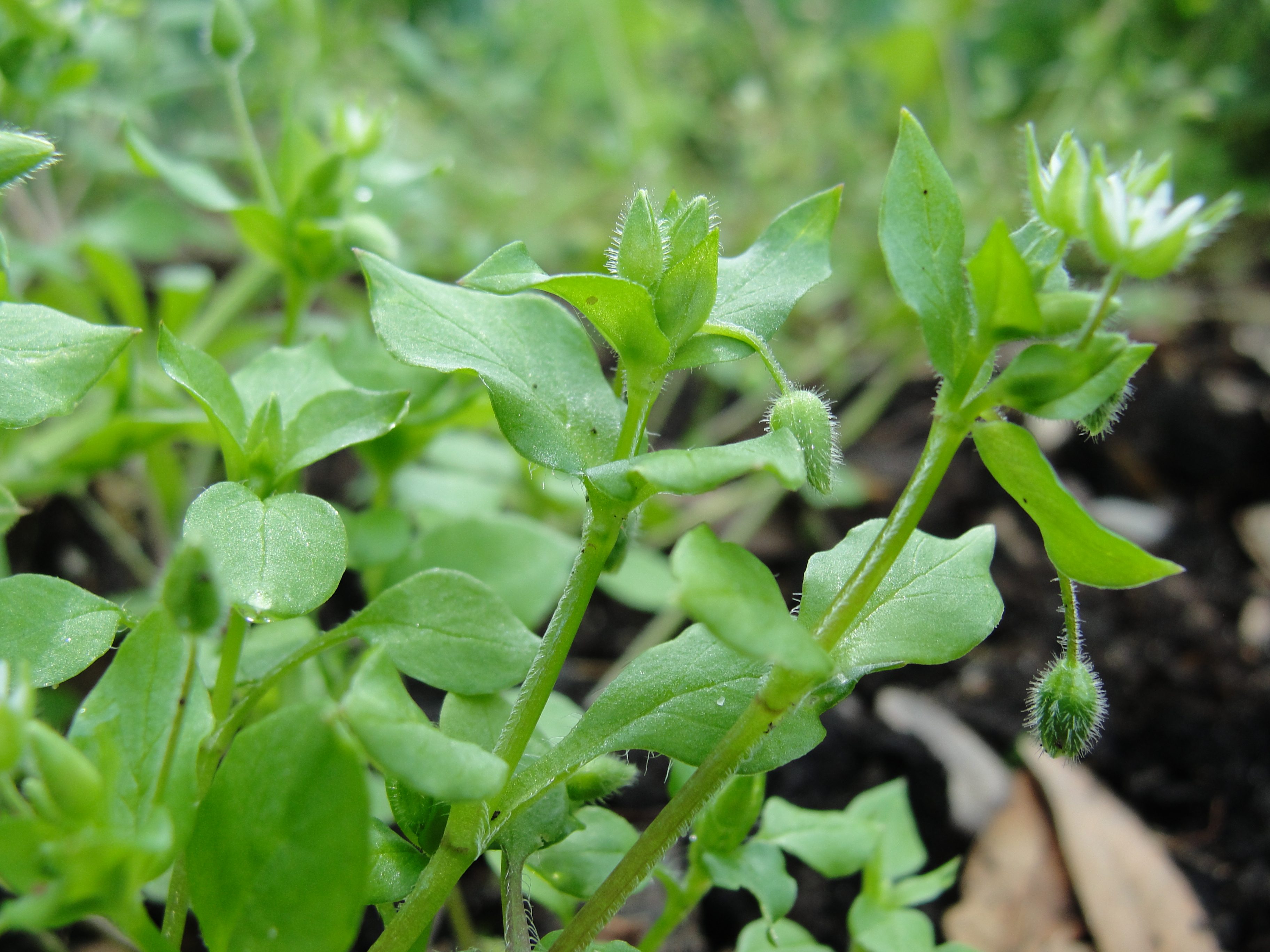
Chickweed
Botanicals for Skin Healing
As protective bases; plant-based oils like coconut oil, olive oil, grapeseed oil, and rose hip oils are all excellent choices and are versatile for all skin types. The healthy alternative to parrifin wax in skin care is beeswax. This helps create a protective barrier from the elements while letting the skin sweat and helps support bee-keepers.
While perusing the skin care aisle, look for creams that contain plants like plantain, calendula, comfrey, chickweed. These plants are deep-tissue healers that can repair the cracks and splits in the skin.
Want to make your own skin-healing salve?
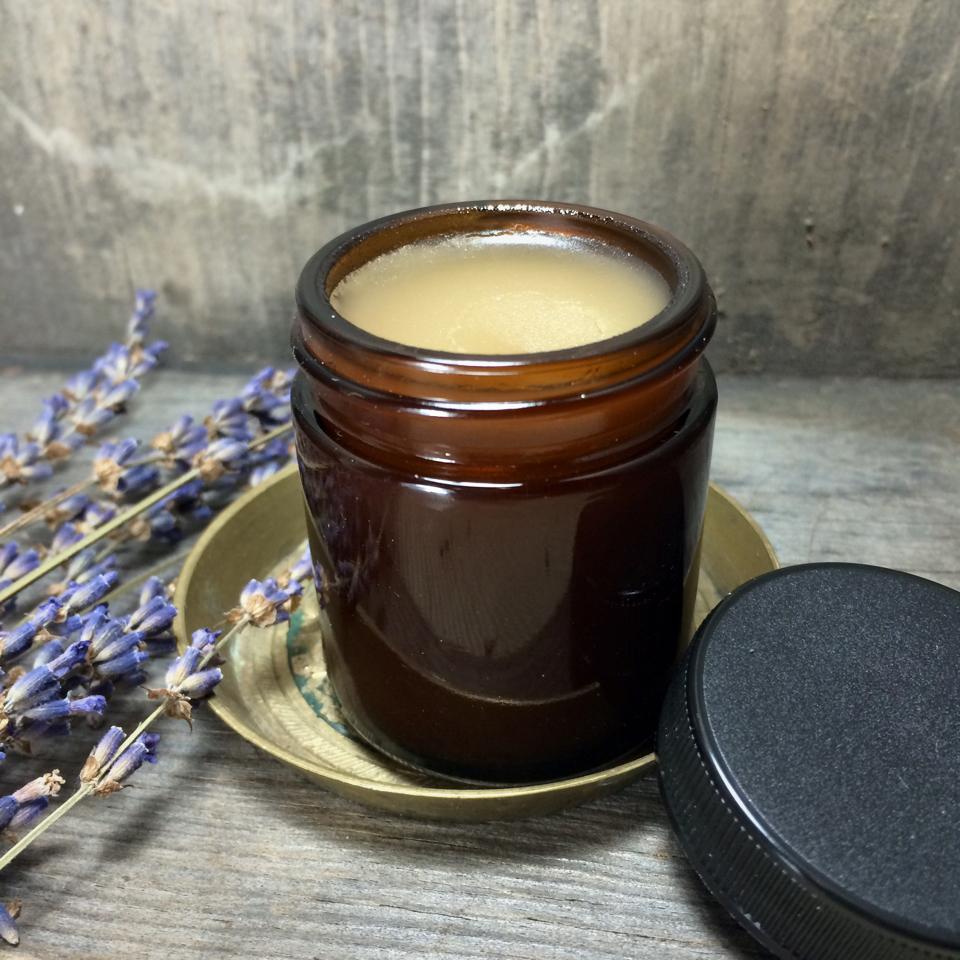
Do you go through a lot of balms and salves and want to make your own? Good news! You can easily make your own calendula skin healing balm in a big batch in your own kitchen. Create a batch of chapped cheek balm in your kitchen with just four ingredients: herbs, olive oil, and beeswax. Beeswax helps solidify the balm and works as a protective layer on the skin without leaving a greasy feeling.
Chapped Cheeks Calendula Balm
Ingredients:
• 1oz dry calendula
• 8oz olive oil oil
• 1oz local beeswax
• Jars or containers
1) Infuse oil with the calendula. Infuse calendula in the oil in a double boiler and let simmer over low heat for 8 hours. This also can be done in a crock pot, taking care to not heat the oil past 130 degrees (lest it burns).
2) Strain the calendula herb material from the oil
3) Place infused calendula oil in a double boiler and heat until the beeswax melts. Adjust the consistency by adding more wax or oil, depending on your preference.
4) Remove from heat and pour into prepared tins or jars. Salves should be stored in a cool location.
Apply the balm before heading outside to protect the skin from harsh elements. If your skin feels sensitive in the shower, apply the balm before you rinse off. It may sound counter-intuitive to getting clean, but it will protect your skin from drying hot water and allow the botanicals to soak deep into the dermis for healing.
If you don’t have time to make your own, support local. While there are large-scale manufacturers making these botanical ointments, there’s a chance you live nearby a local herbalist that makes these skin creams from plants in your area.
And remember – keep those balms handy to help you enjoy the cold. As my dad used to say, “There’s never the wrong weather, only the wrong clothing!” Protect your skin!
Winter is at its peak — the smell of cold, crisp, harsh air reminds us of the scarcity of the dark months. But even in the depths of winter’s darkness, nature offers us healing winter remedies for the season’s ailments.
Up above in the canopy of the woods, the boughs of pine (Pinus spp.) sends songs of its healing for the respiratory system into the breeze through the trees. Down below on the forest floor, the garlicky wild chives (Allium vinneal) poke through even the most frozen ground, cold but still carrying that flavorful aromatic of onion.
The drying, resinous aromatic pine needles and the stimulating flavors of the green tips of wild chives can be brewed together in a french press or tea pot as a loose tea.
This aromatic tea of the pine needles can release stuck mucous in the sinus cavities and can dispel the damp and stagnant lung mucous of winter’s respiratory distresses. The pine needles also adds in a bit of Vitamin C for an extra boost of this needed winter vitamin. Brew handfuls of both pine needles & tips along with handfuls of chives in equal parts hot water for 10 minutes. Sip hot.
Because of this tea’s drying nature, juice of lemon and the addition of honey are nice to add a soothing, coating element to the tea. Also from the woods, wild cherry bark (Prunus serotina) can be added to help quell an unproductive spasmodic cough to be more productive in eliminating congestion.
For sustainable gathering, collect fallen boughs and branches of the pine after strong winds have passed through the woods. The needles can be stripped from the boughs and used fresh for later use. Clip the tops of the chives as they are perennial and will regrow as the sunlight returns to the forest.
The aroma of the simmering pine on the stovetop can also clear the air of stagnant winter ick that can collect inside the home. Simmer pine tips and needles on the stove, releasing the aromatic oils into the air. This brew can also be used as a steam inhalation by putting a few handfuls of the plants into a steaming pot. Remove from the stove and cover your head with a towel to help open the most stuck of sinuses.
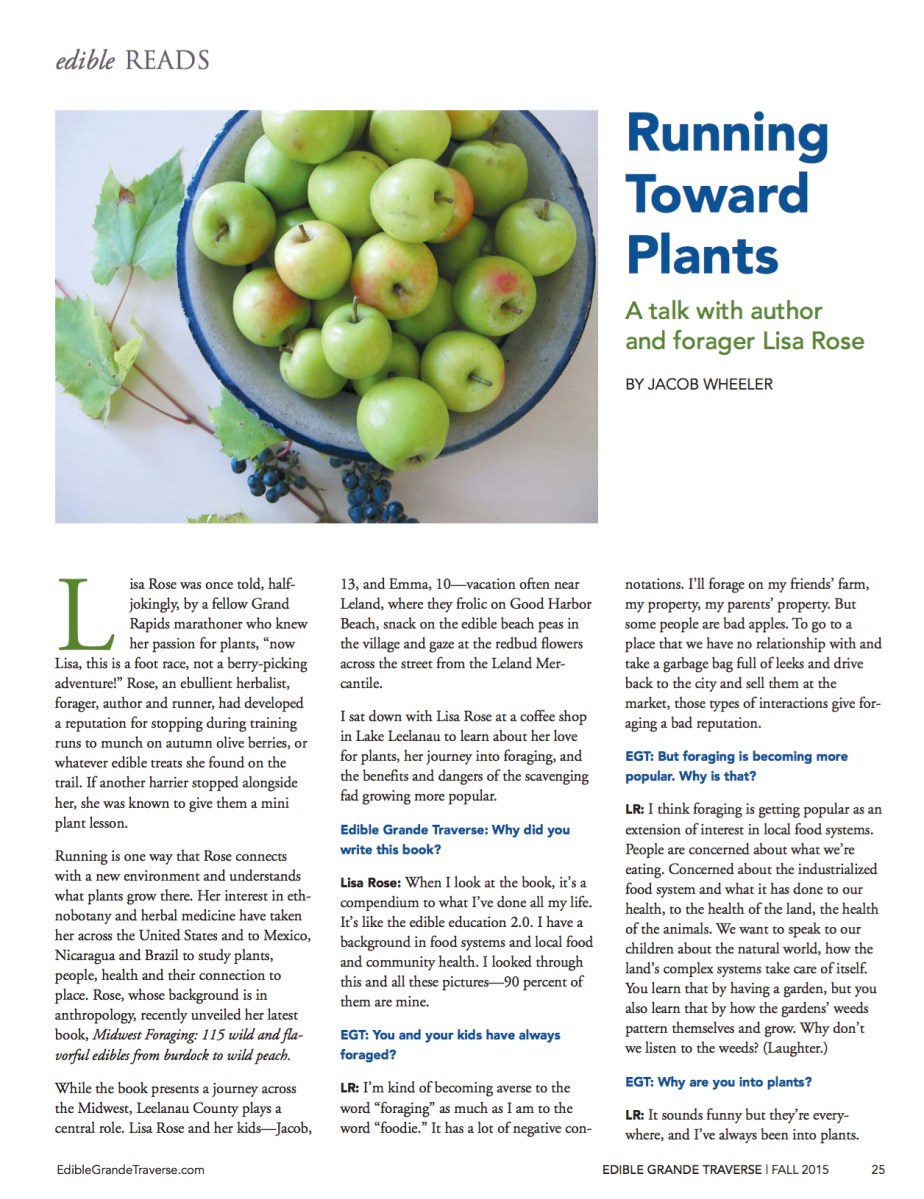
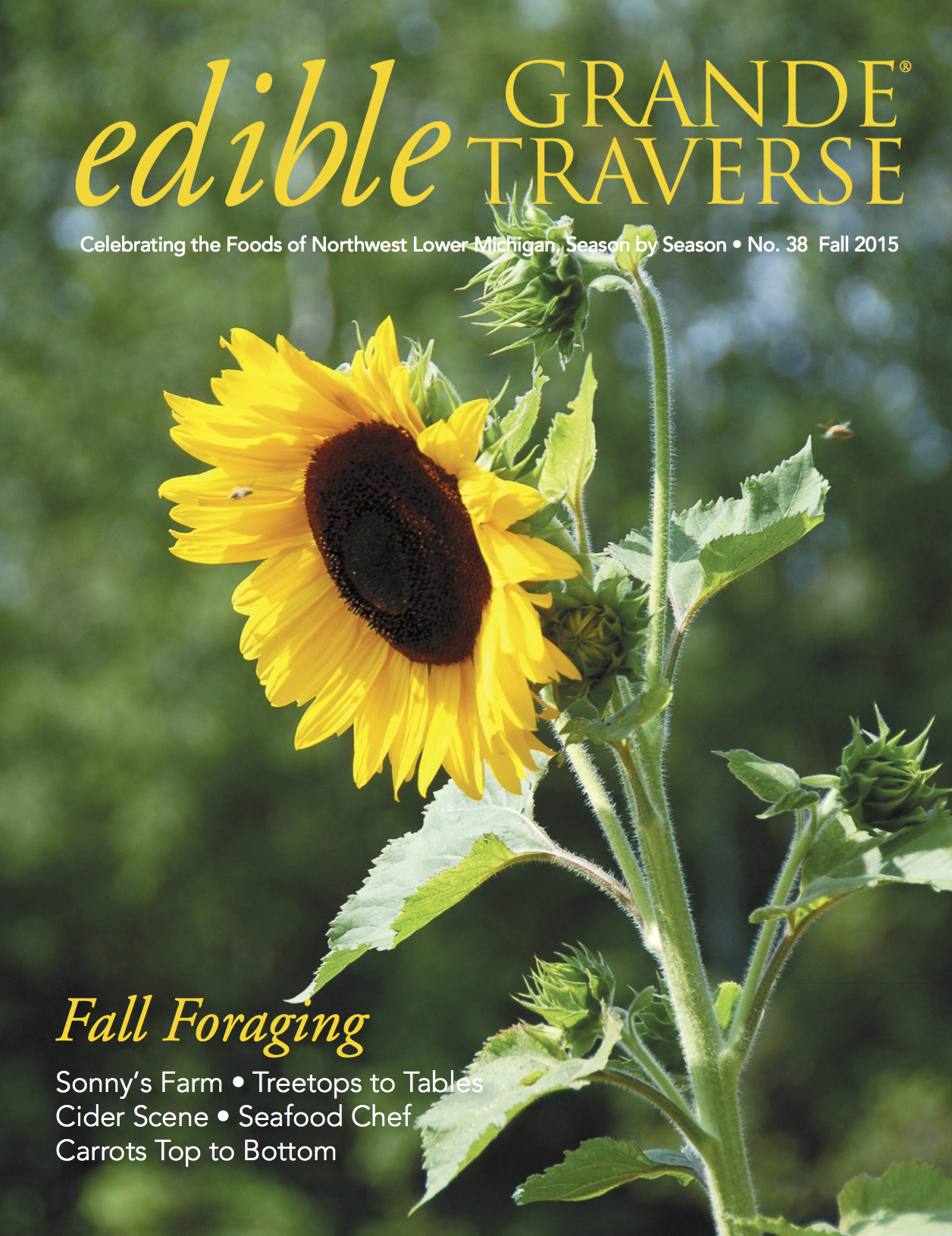
Enjoyable interview talking about my book “Midwest Foraging,” wild edibles, and Leelanau County with Edible Grande Traverse Magazine.
Check out the full interview online, along with other cool wild edible recipes including a local hunter’s take on eating squirrel!
An interesting note, this interview took place in Lake Leelanau Sunday morning on August 2 as we watched the edge of the first line of the storms roll into the area. The change in weather and electric feeling of the air seeped into our conversation, eerily foreshadowing the events that were to unfold later that day with the horrifically powerful straight line winds that slammed into the Sleeping Bear shoreline…
For my essay from that epic and historic storm read After the Storm.
Each one of us has an important role to play in growing the good food movement in Grand Rapids. What’s your role? Photo by Ryan P. Photo
On September 21, 2001, a group of about 25 people representing all sectors of the food community – from farmers to schools to clinics to social agencies addressing hunger – gathered at what is now known as Feeding America West Michigan. With Groundswell farmer Tom Cary at the helm and with me taking notes, we collectively organized Grand Rapids’ first food policy council. We all recognized and outlined the myriad of challenges facing our fractured food system in Grand Rapids, including race, the built environment and socio-economic disparities, to name a few.
This community effort – over time – faced its own hurdles and challenges in the decade that followed. Programs in the community came and went, and today – while the food system landscape is completely different, the core issues faced then remain the same.
Since I published the local food documentary, Grand Rapids Food: A Culinary Revolution(History Press, 2013), citizens have continued to take up shovels to clear grass and concrete and build gardens. When policy gets in the way, citizens continue to appear at policy meetings to help coax our leaders to make change.
From the outside, it can appear that the local food system in Grand Rapids has taken off – from beer to markets, it could seem that the larger Grand Rapids community has benefitted tremendously from the various additions to the Grand Rapids food landscape.
But has it?
For nearly 14 years to the day, I’ve been engaged in helping grow the local food community in Grand Rapids. It’s been a pleasure to call the Grand Rapids cadre of food activists my most dear friends – those working to increase access to fresh foods within the urban community through a myriad of channels – community gardens, urban farms, food cooperatives, a more effective pantry system – to name a few.
When stepping into the Wealthy Theatre on Monday for the Urban Roots local food community conversation I left my preconceived ideas, assumptions and past experiences at the door. I arrived open to learn of new endeavors and to be inspired by new faces on the front lines.
Surprisingly, I was glad to know only a few faces as part of the group. I was excited to hear about the experiences of other community organizations and people working for systems change in Grand Rapids. It was inspiring to witness the passion and commitment of others trying to make change in the ways they knew, yet humbling to realize the vast expanse of work that still is ahead, with many hurdles to tackle.
Addressing Systems Issues as a United Front
In the recent opinion article penned by urban farmer and local food expert Levi Gardner, many of the issues raised with the Downtown Market are larger systems issues that face all of Grand Rapids – particularly those that are immediately relevant to food access rooted in socio-economic disparities, race and segregation because of our built environment.
To be fair, the criticism the Downtown Market has received isn’t because the market isn’t a needed piece of food systems infrastructure for the local downtown community — it is. The Downtown Market has tremendous potential to bring people together, to be a welcoming space for people to learn and share knowledge. The Downtown Market has tremendous potential to serve the local community as a food hub, meet local access needs and provide an economic platform for vendors to be able to affordably participate in economic exchange.
The Downtown Market has received criticism because the greater community wants its leadership to rethink its outreach, its purpose, its messaging and how it engages a diverse set of audiences. The greater community has needs and is asking the Downtown Market to proactively help meet those needs. The community wants the leadership of the Downtown Market to be present and responsible for being part of the solution. And as a point of order: as a publicly funded institution, the Downtown Market leadership has an ethical obligation to do so, and to ensure it is inclusive of all backgrounds in an intentional way and to actively be a part of community conversations.
Growing Roots. Photo by Shane Folkertsma.
But let’s be real: This isn’t an issue that faces solely the Downtown Market. While it’s easy to critique a large organization like the Downtown Market, we all need to examine the ways in which we each engage and mutually support open and honest dialogue. We need to examine how we engage each other in the various aspects of our work, helping to make it accessible and inclusive and actualize co-learning.
My own food systems learnings have led me down the path to foraging, wild edibles and herbalism as a form of healthcare. Admittedly, I find that it’s easier to sit in the woods, alone, working with plants rather than people. But I know that its the education I have to share that I feel can help effect change and so I work in my community as a community herbalist and teacher about the natural world.
To that end, I, too, am holding myself personally accountable to consider how I design my work to address issues of race, culture, poverty, education, socio-economic disparities and health disparity in our City. To work in partnership with others in the community, rather than shy away from working at it alone because it is “easier” or without political (read exhausting) drama. And to invite others to be part of the conversation, and helping make a place at the table for many voices to be heard.
It is only by working through difficult conversations and partnerships that we can grow. Stonewalling, boycotting and judgement won’t get us where we need to be. Repeatedly showing up and being open to arriving to new destinations will get us where we need to be. When we shut down – close each other out – we will go nowhere.
We need process and intentionality, but we also need to allow room for organic growth. And be accountable for each other and help our organizations grow in the directions our community needs.
Grand Rapids’ New Mayor-Elect, Rosalyn Bliss, an active leader who helped champion the urban hen legislation in GR. Photo by Ryan P. Photo.
Leaving Room for Organic Growth
Intentionality is important. Each decision should be made with focus and purpose. But it is also worthy to be flexible and open to change and new directions. I leave you with a segment from my book, Grand Rapids Food, where a local gardener talks about the vision for their community gardening space.
Amy contemplates the future of the community garden space. “I would like to see it be a place where the neighbors are investing their time. For what we have — the social aspect — It’s what draws people here. We have such a small space compared to other community gardens. But it’s perfect for our block — we aren’t trying to reach large scale. Certainly people can come from anywhere, but we want the neighbors to enjoy this. To be their garden.
“Beyond that? I don’t know. I think that is the enjoyment — that we have of these dreams. We just start in one place and keep moving forward. Which is exciting because people’s needs change, the neighborhood changes. I like that space to be open — it leaves room for creativity. Let’s keep the master plan in the shed.”
It is my wish that you, too, can be inspired to move forward with intentionality and openness to continue to address the rooted issues that face our food system in Grand Rapids.
The days are long and warm for now, but we all know that winter will return and with it – cold and flu season as well as all sorts of other general maladies we face across the year. There are many ways to keep the ills and chills away with wild plants!
Some helpful herbs that can be gathered from the wild now include:
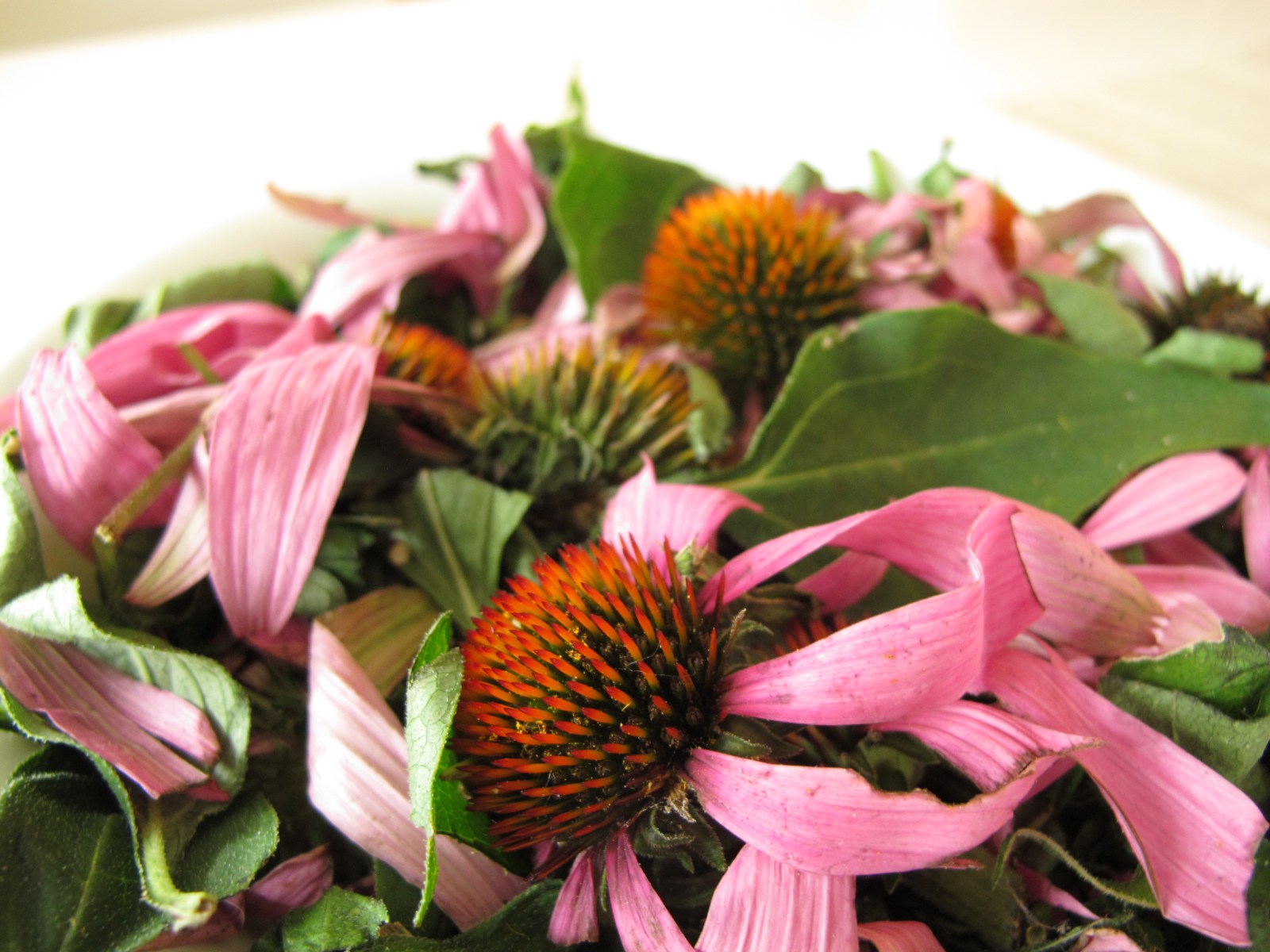
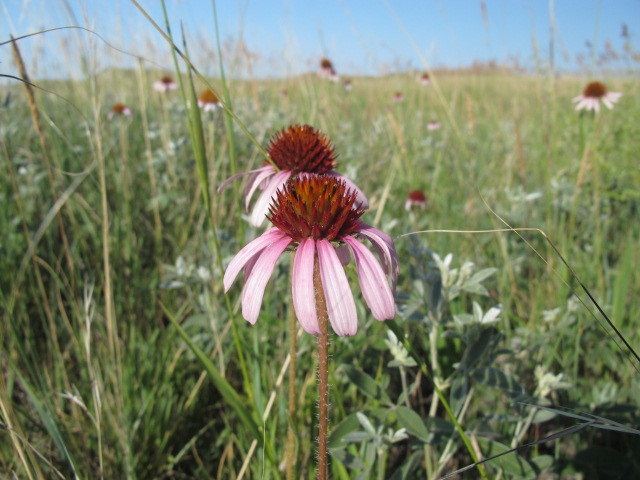
Echinacea (Echinacea species): Echinacea is well-known for its abilities to help the immune system clear an infection. Gather the plant from the wild or even use the cultivated echinacea from the garden to prepare a homemade tincture or tea.
Goldenrod (Solidago species): This beautiful, showy yellow plant frequently gets blamed for everyone’s August allergies, when actually it’s the ragweed that causes the summer sneezes. Goldenrod can be gathered now and dried for tea or prepared fresh as a tincture to help stop the leaky, drippy allergy sniffles. A great cat allergy remedy! Goldenrod also makes a great salve to help rub out aches and pains and can be used similarly to arnica.
Yarrow (Achillea millefolium): Yarrow is a classic summer plant, and is nearly at the end of the harvest season. Gather the leaves and flowers of this plant to use as a tea for colds and flus. It mixes well with Monada and elder flower. Yarrow also makes a great salve to help rub out bruising.
Bonest (Eupatorium perfoliatum): Boneset is a traditional native plant that’s been used for viral infections and fevers. It can be gathered from the wild and dried for tea. It’s good blended with more aromatic (and flavorful) plants like
Monarda (Monarda fistulosa): Monarda is also known as bee-balm and all varieties – both the wild and cultivated – are wonderful to dry to a tea to ward of a cold. The tea is highly aromatic and can also clear sinus infections and clear a foggy head.
Elderberries (Sambus nigra): Great for supporting the body’s immune system to fight off viral infections like a cold virus or influenza. The berries can be gathered at peak ripeness and prepared into a homemade elderberry elixir.
For more information on these plants, view my recent segment on WZZM13 and pick up a copy of “Midwest Foraging!”















 burdockandrose.com